
Last updated November 15, 2026
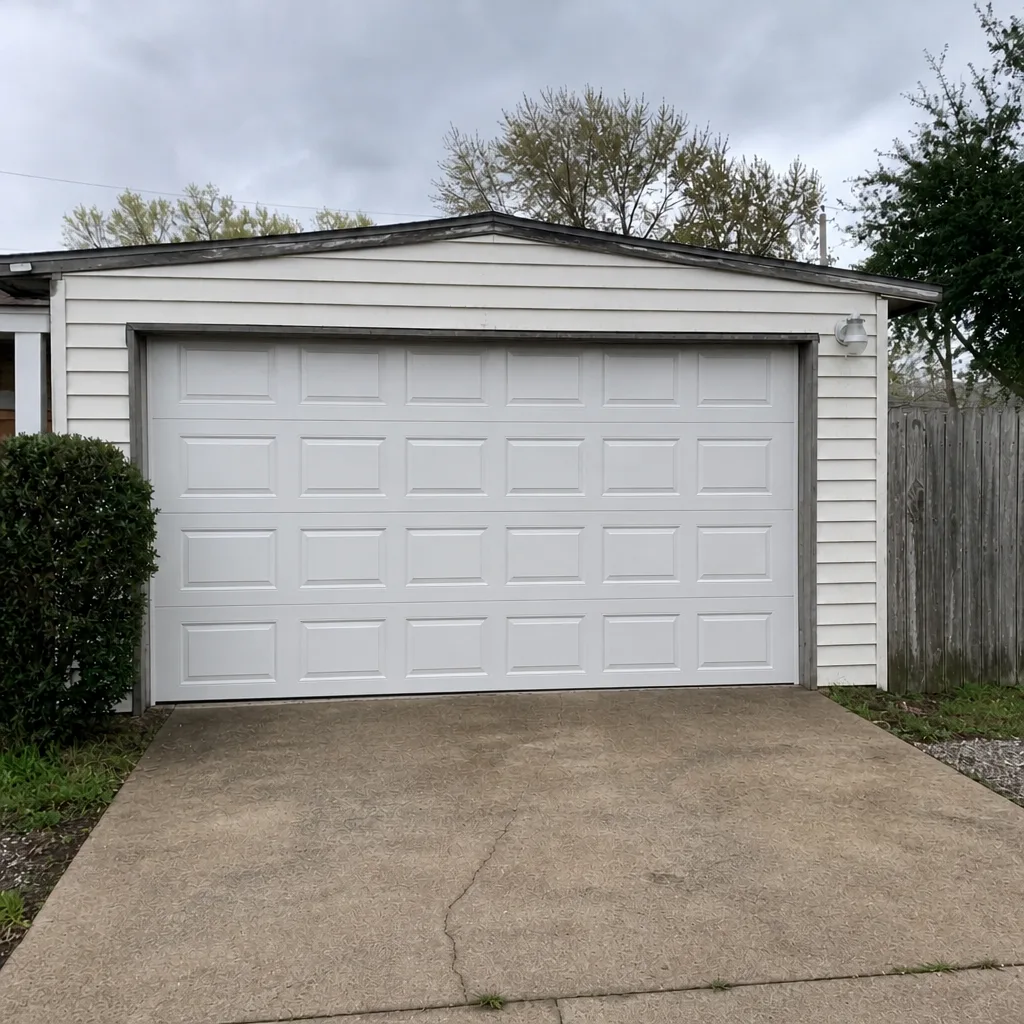
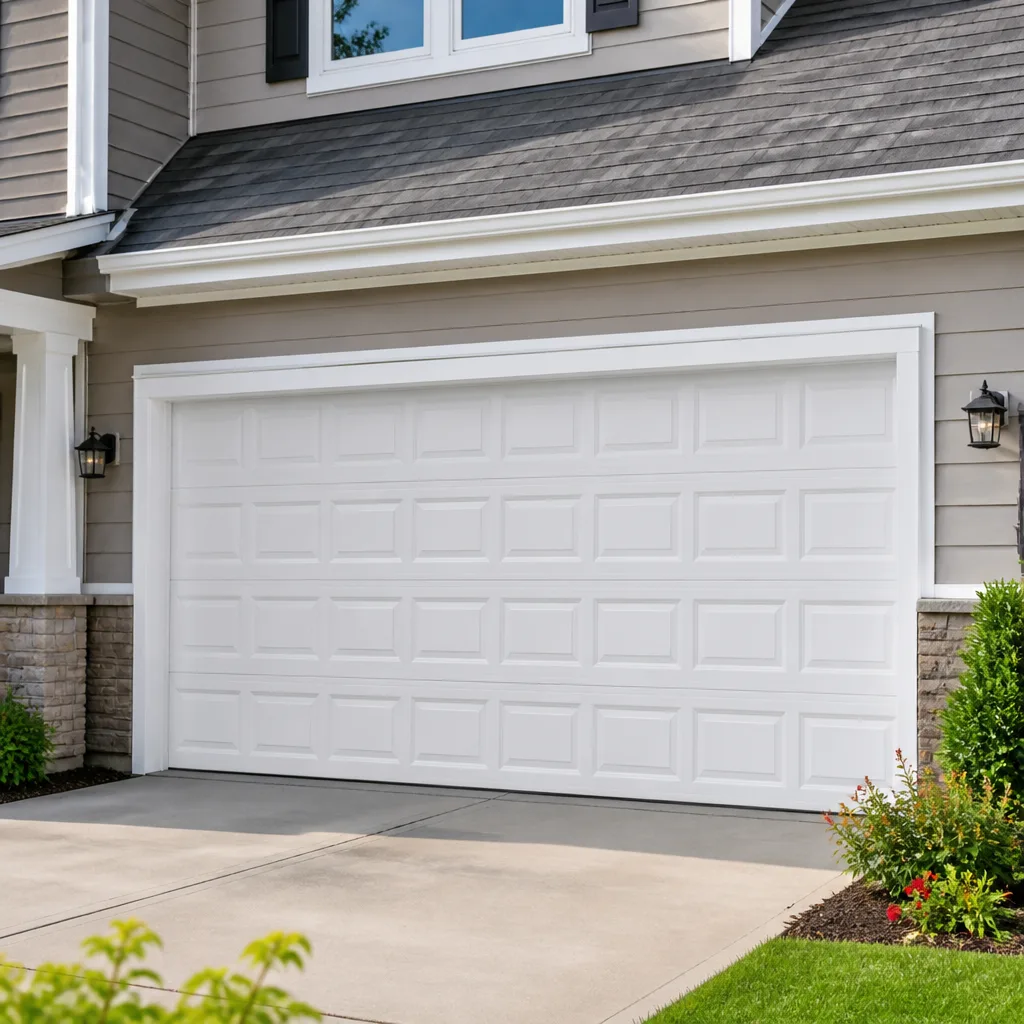 Raised-panel steel
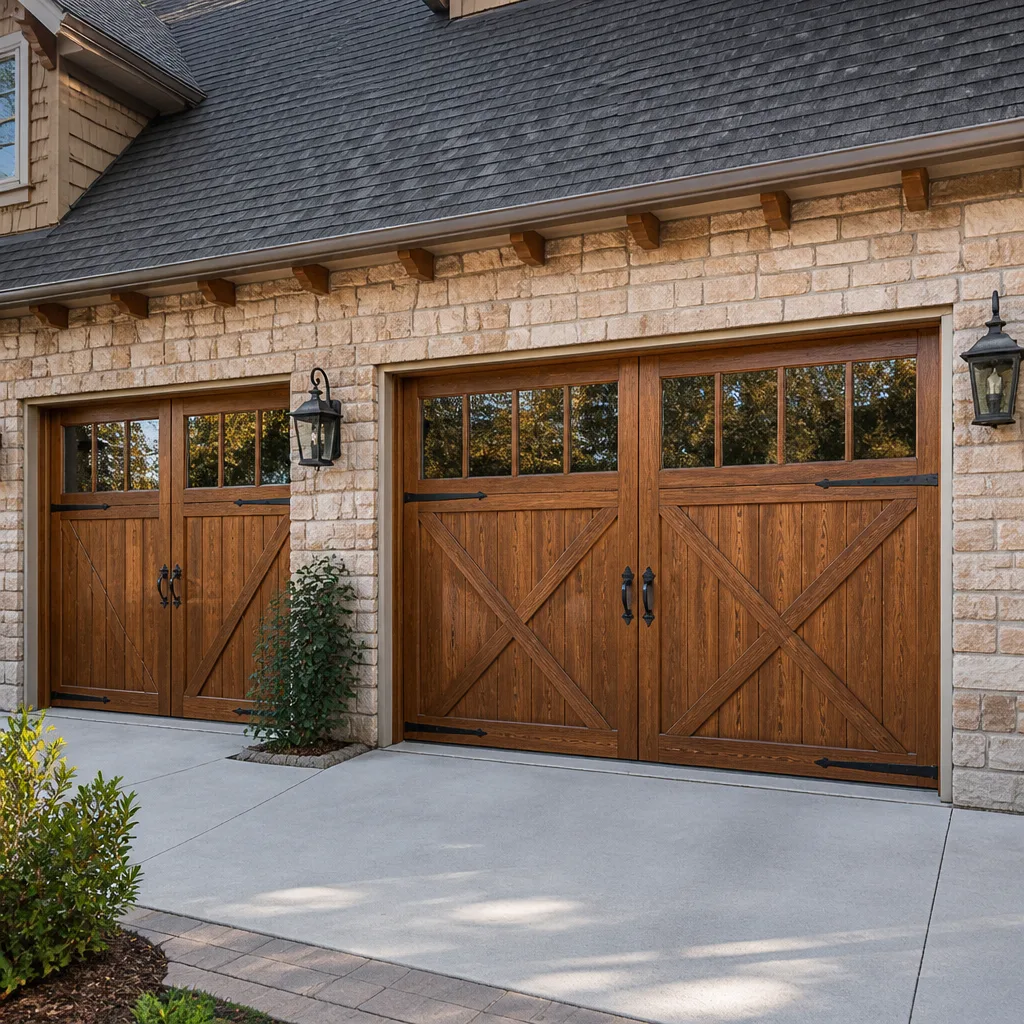 Carriage house
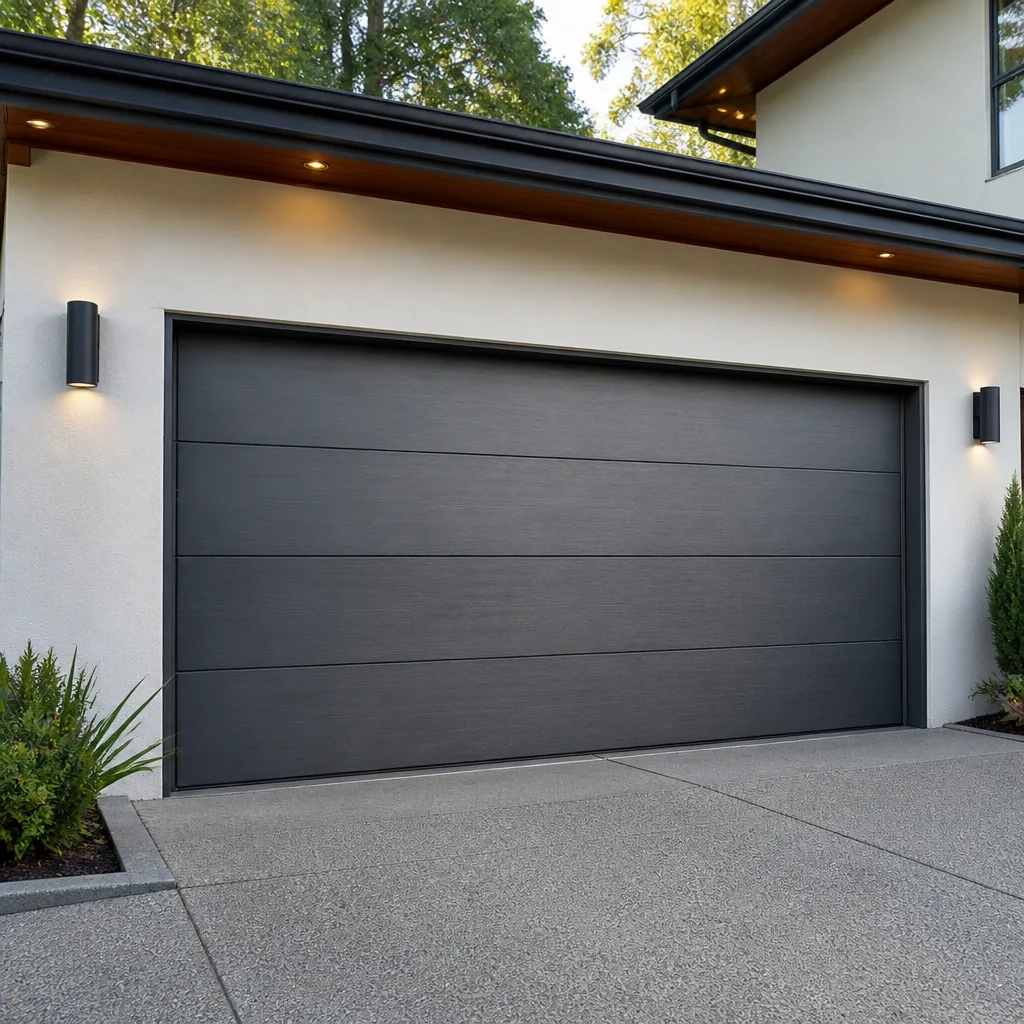 Modern flush
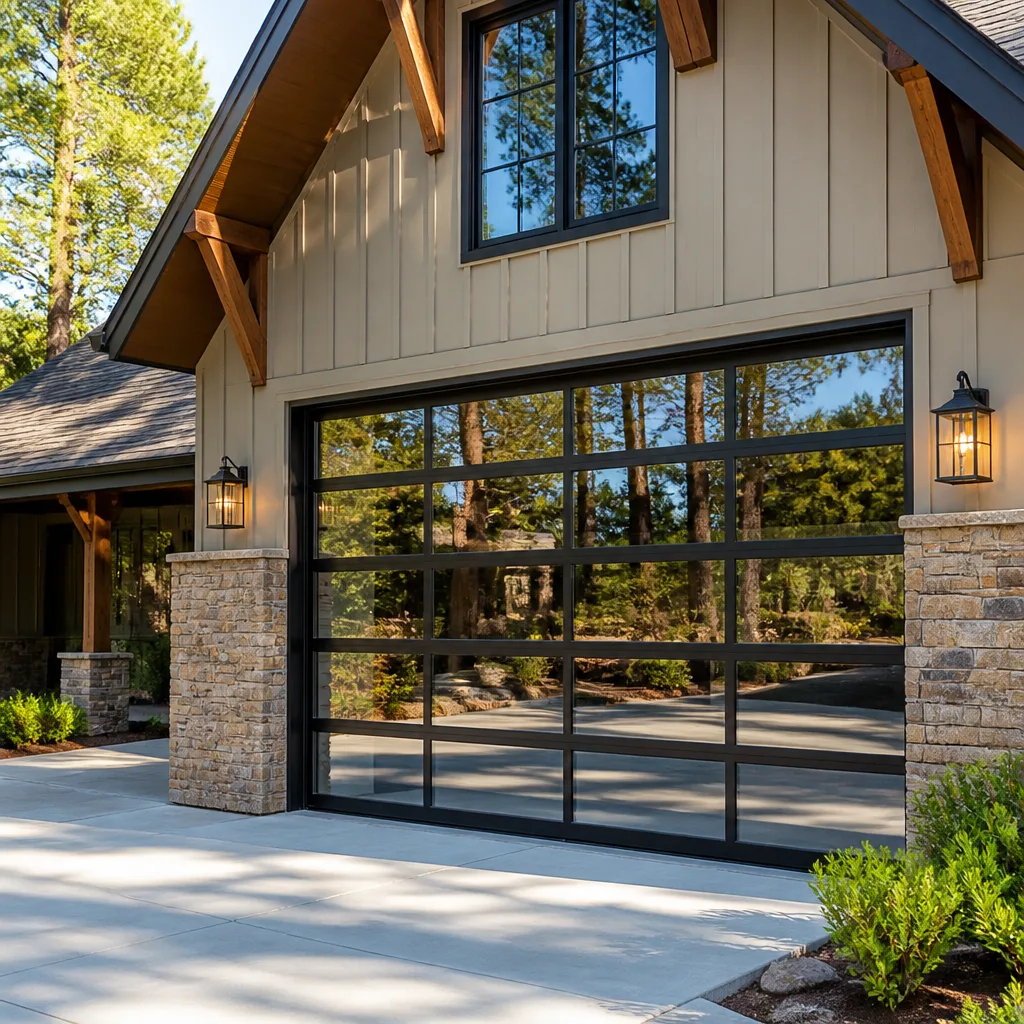 Full-view glass
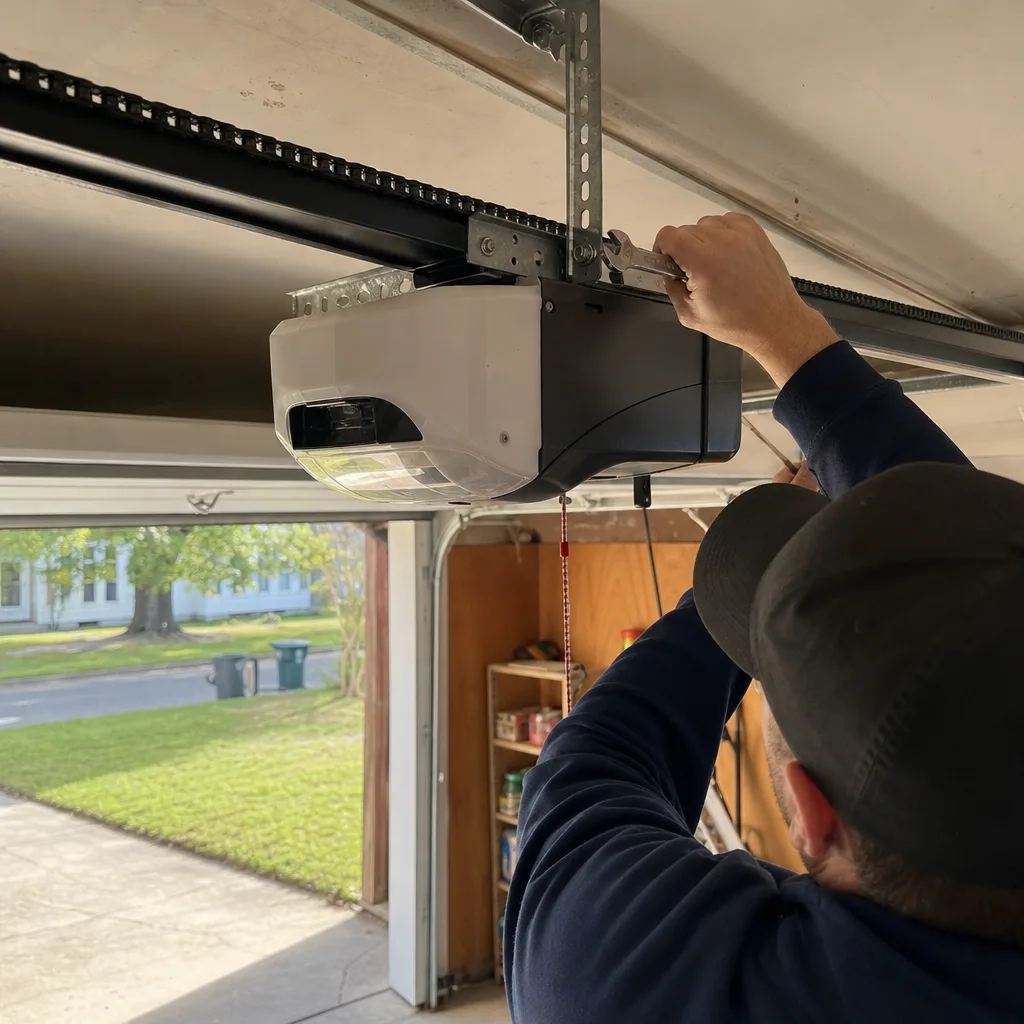
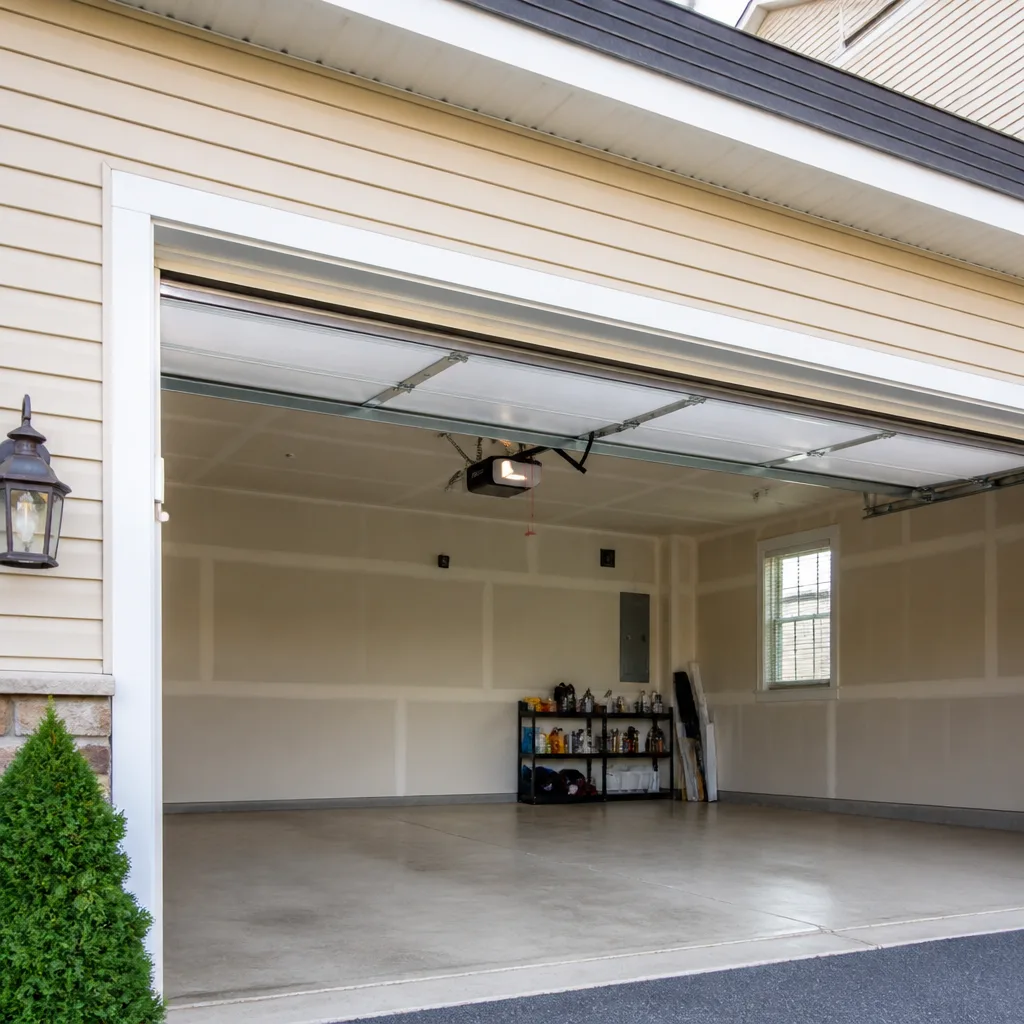 LiftMaster openers
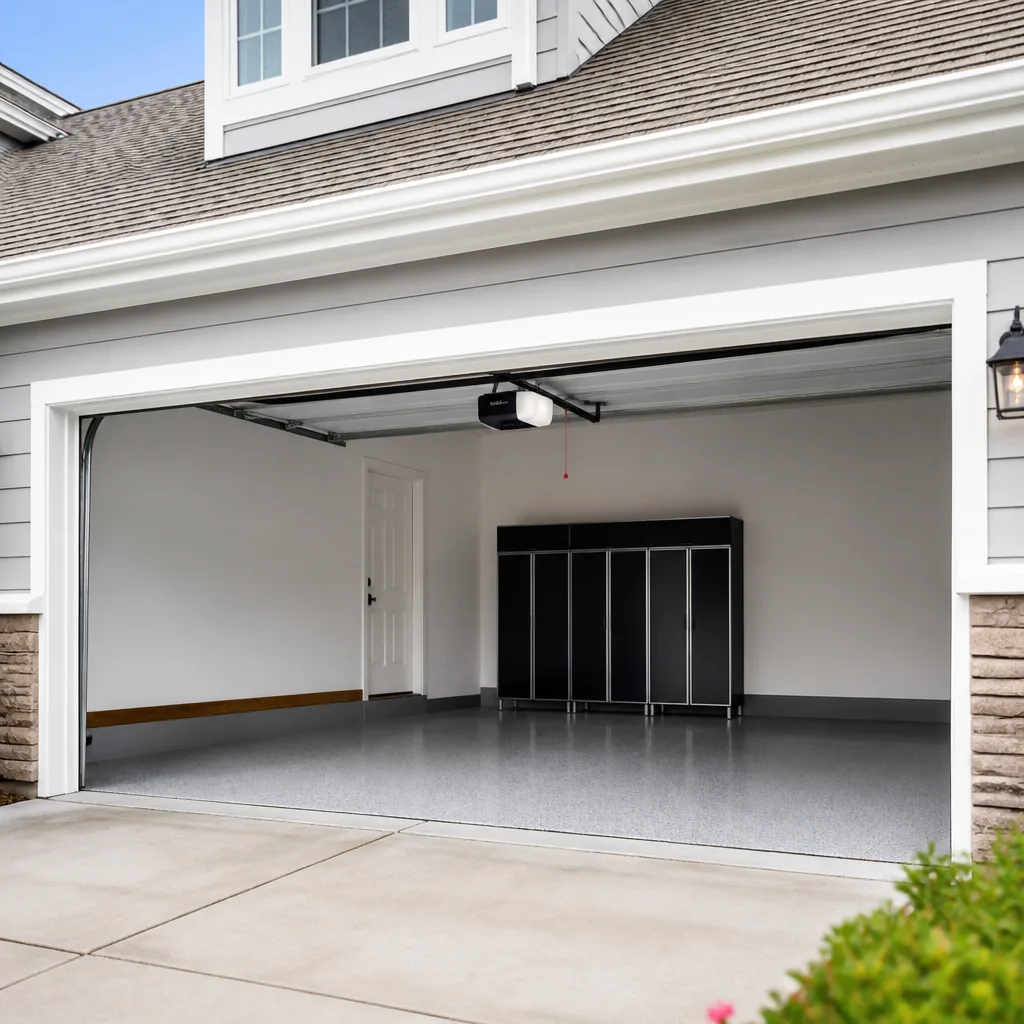 Chamberlain openers
Full 25-point door and opener safety check with every visit - springs, cables, rollers, tracks, and your LiftMaster or Chamberlain opener included
You get a price before we start. It does not change when the pro arrives.
Get your free estimateThe Complete Guide to Garage Doors in Suffolk
Suffolk is the largest independent city in Virginia by land area, and that size creates a problem most garage door guides ignore: the advice that fits one neighborhood can be wrong for another. A door on a home near the Chesapeake corridor deals with more humidity and moisture than one further inland, and the aesthetics that pass an HOA review in Harbour View may not be the ones a buyer expects in Bennetts Creek. This guide treats Suffolk as its own context. You’ll learn how the local climate affects springs, cables and seals, what deed restrictions typically say about door changes, how the full lifecycle of a door plays out from installation to eventual replacement, and how to match materials to your specific neighborhood’s resale expectations.
Quick Answer
A garage door in Suffolk needs more attention to rust, seal wear and hardware corrosion than one in a drier inland Virginia city, because the area’s tidal humidity and proximity to the Chesapeake corridor accelerate deterioration. Choose your door material and style based on your neighborhood’s HOA rules and resale expectations, not on a national catalog. And work with a multi-brand specialist, because several national dealers only service the products they installed.
Styles & brands we work with
- Raised-panel steel
- Carriage house
- Modern flush
- Full-view glass
- LiftMaster openers
- Chamberlain openers
Table of Contents
- How Suffolk’s Climate Affects Your Garage Door
- HOA Rules and Deed Restrictions in Suffolk Communities
- The Full Lifecycle of a Garage Door
- Matching Door Material to Your Suffolk Neighborhood
- Why Multi-Brand Service Matters in Suffolk
- Openers and Smart Controls: What Suffolk Homeowners Should Know
- What Garage Door Work Typically Costs
- Common Mistakes to Avoid
- When to Call a Professional
- Frequently Asked Questions
How Suffolk’s Climate Affects Your Garage Door
Humidity is the single biggest environmental factor in how long a garage door lasts in Suffolk. The city sits close to the Chesapeake corridor, and that proximity means more moisture in the air across more of the year than inland Virginia cities experience. Moisture does two things to a garage door: it rusts the steel components and it degrades the rubber seals that keep water and pests out. Both happen slowly enough that most homeowners don’t notice until a spring snaps or a bottom seal is leaving a wet stripe on the floor.
The tidal humidity pattern matters most in these areas:
- Bottom seals and weatherstripping. Rubber and vinyl seals harden faster in humid conditions and lose their compression. A seal that no longer touches the floor lets in water, insects and cold air, and it puts extra stress on the door’s balance.
- Hinges and rollers. Steel hinges pick up surface rust where the plating wears thin. Rollers with steel bearings seize; nylon rollers tend to hold up longer.
- Springs and cables. These are the load-bearing parts. Humidity doesn’t cause a spring to fail on its own, but rust and neglect shorten the working life of any torsion or extension spring.
- Panel finish. Painted steel panels can develop rust at the bottom edge where water sits. Wood composite doors absorb moisture if the finish is compromised.
The practical takeaway is that a maintenance rhythm built for a dry climate is too slow for Suffolk. Lubricating hinges and rollers, checking seals and looking at the bottom edge of panels once or twice a year does more here than it would 100 miles inland. If your door is already showing rust at the bottom or a seal that’s cracking, that’s the time to fix it, not after a spring fails.
HOA Rules and Deed Restrictions in Suffolk Communities
Suffolk has a high concentration of planned communities, and Harbour View is the most recognizable example. If you live in one, the first question isn’t “which door do I want” but “what does my deed restriction actually permit.” Most HOA architectural review processes care about three things: material, color and style. Some specify a panel pattern. Some restrict the color palette to a set of approved neutrals. A few require that the replacement match the original door’s look closely enough that the change isn’t obvious from the street.
Before you buy anything, work through this sequence:
- Pull your community’s architectural guidelines and find the section on garage doors, not just the general exterior rules.
- Ask your HOA’s architectural review committee what documentation they need. Many want a photo or spec sheet of the proposed door.
- Confirm the color by the manufacturer’s name and code, not by a description like “tan.” Two tan doors from different brands can look very different side by side.
- Submit the request before you order. Approval usually takes time, and a door installed without approval can create a problem that’s expensive to reverse.
- Keep the approval in writing for your records.
Homeowners in Bennetts Creek and other established Suffolk neighborhoods often face a different constraint: deed restrictions may be older and less specific than a modern HOA’s, but the resale expectation is consistency with the surrounding homes. A door that’s technically allowed but visually out of place in a mature neighborhood can affect what a buyer thinks of the house.
The Full Lifecycle of a Garage Door
Most homeowners think of garage door work as one thing. It’s really four stages, and knowing which stage you’re in tells you whether to repair, replace parts, or plan a full door swap. In our experience, the costly mistakes come from doing stage-three work when you’re actually at stage one.
Stage 1: Installation. A new door is measured, ordered and scheduled. This is the only stage where material and style choices are fully open. If you’re building or doing a major renovation, this is when to get the door right, because changing it later costs more than choosing correctly now.
Stage 2: Routine wear and component replacement. Springs, cables, rollers, hinges and seals wear out long before the door itself does. A torsion spring, for example, has a finite number of cycles. Replacing springs and hardware is normal maintenance, not a sign the door is failing.
Stage 3: Panel and structural repair. Panels get dented, and the frame and track can bend. Panel replacement is often possible if the manufacturer still makes the panel, which is one reason brand knowledge matters. A door from Clopay or Amarr, for instance, may have a matching panel available years after installation. An off-brand door may not.
Stage 4: Full replacement. When the door is dented across multiple panels, the finish is failing, or the cost of repair approaches the cost of a new door, replacement makes sense. This stage is also where homeowners often upgrade to a better-insulated door or a different style.
Matching Door Material to Your Suffolk Neighborhood
The right material for your home depends less on personal taste than on what your neighborhood expects and how much maintenance you’re willing to take on. Steel dominates for a reason: it’s the most common choice in Suffolk, it holds paint well, and it’s the easiest to match to a replacement panel later. But it isn’t the only good option.
- Steel. The default for most Suffolk homes. Durable, affordable, and widely available from Clopay and Amarr among others. Rust at the bottom edge is the main concern in this climate, so check the finish and the bottom seal regularly.
- Wood composite. Warmer look, better fit for established neighborhoods with a traditional architectural character. It needs more finish maintenance in humid conditions, and it costs more.
- Aluminum. Light, rust-resistant and a good option where full-view glass doors suit the house. It’s less common in Suffolk’s traditional neighborhoods but works well on contemporary designs.
Then there’s the resale question. A door that’s consistent with neighboring homes is the safest choice for resale, and consistency usually means matching the dominant material and panel style in your immediate area. If most homes in your part of Suffolk have raised-panel steel doors, that’s the resale-safe pick. If your neighborhood has a mix, you have more freedom. The one thing we’d advise against is choosing a door that stands out sharply from every surrounding house. Buyers notice.
Why Multi-Brand Service Matters in Suffolk
Several national garage door dealers only service the products they installed. That’s fine if you bought from them. It’s a problem if you moved into a Suffolk home with a door from a brand the dealer doesn’t carry, or if the original installer is no longer in business. You end up calling around and finding that nobody wants to touch your door, not because it’s unfixable but because it’s not their product.
Multi-brand service changes that. Thrive Garage Door Repair works on what you already have, whether that’s a Chamberlain opener, a LiftMaster, a Genie, a Craftsman, or a door from Clopay, Amarr, Wayne Dalton or Raynor. Our technicians have up to 8 years of experience across these systems, and our value is in knowing multiple systems rather than in selling one. When you call us for garage door repair, you don’t need to know the brand before you call, and you don’t need to worry that the answer will be “you should replace the whole thing” because we don’t carry your line.
That matters most at stage three and four of the lifecycle. If your door has a damaged panel, brand knowledge determines whether a matching panel exists. If your opener is a legacy model, brand knowledge determines whether it can be repaired or whether it’s time to modernize. Broad brand expertise also means honest recommendations on installation: we can compare lines side by side instead of steering you toward a single catalog.
Openers and Smart Controls: What Suffolk Homeowners Should Know
Opener problems are one of the most common reasons people call us, and they’re often simpler to fix than the homeowner expects. A door that reverses immediately, a remote that only works from close range, or a wall button that does nothing all point to specific, diagnosable faults. The two dominant smart-home platforms are LiftMaster and Chamberlain on one side and Genie and Craftsman on the other, and servicing both under one roof means we can work on legacy systems and app-connected ones without referring you elsewhere.
A few things worth knowing:
- Safety sensors. Every modern opener has a pair of sensors at the door’s base. If they’re misaligned or blocked, the door won’t close. Dust, spider webs and a bumped sensor are the usual culprits.
- Force settings. An opener that stops and reverses can be reading resistance from a binding door. The fix is often the door, not the opener.
- Smart controls. App-connected openers from LiftMaster and Chamberlain need a stable Wi-Fi signal at the garage. If yours keeps dropping, that’s worth checking before assuming the opener is failing.
For garage door opener repair, the right first step is a diagnosis, not a replacement sale. An opener that’s 15 years old and repairable is worth repairing if the parts are available.
What Garage Door Work Typically Costs
Pricing in Suffolk depends on the job, but here are typical estimated ranges to help you budget. These are estimates, not final prices; the written quote you receive is the actual price, and it’s agreed before work starts.
- Torsion spring replacement (one spring): $180-$340. A matched pair is usually replaced together, so a pair typically runs about twice that.
- Cable replacement (per cable): $100-$200.
- Roller and hinge replacement: $150-$300 depending on how many are replaced.
- Bottom seal replacement: $120-$250.
- Panel replacement (per panel): $250-$600, depending on brand and availability.
- Opener repair: $120-$300.
- New opener installation: $350-$700.
- Full door replacement: $1,200-$3,500, depending on size, material and insulation.
Two things to know about pricing. First, the quote you get is the price you pay. We don’t add charges after the work begins. Second, same-day service is available for repairs, but a new door requires a measure and an order, so it’s scheduled rather than done the same day. Call (888) 404-3987 for an exact quote. Estimates are free.
Common Mistakes to Avoid
- Calling a single-brand dealer first. If your door or opener isn’t their product, you may get a replacement recommendation you don’t need. Start with a company that services multiple brands.
- Choosing a door without checking your deed restrictions. In a Suffolk planned community like Harbour View, an unapproved door can be expensive to reverse. Check the rules first.
- Ignoring rust at the bottom edge. In Suffolk’s humidity, a small patch of rust spreads fast. Treat it early.
- Replacing the whole door when a panel is damaged. If a matching panel is available, a repair is much cheaper. Brand knowledge determines whether that’s possible.
- Replacing one spring of a pair. Springs wear together; replacing one leaves the door unbalanced. Replace the pair.
- Choosing a door that clashes with the neighborhood. Resale value depends on consistency. Match the surrounding homes unless you have a reason not to.
- Skipping annual lubrication. Hinges and rollers that get oiled once a year last longer, especially in humid conditions.
When to Call a Professional
Some jobs are safe to do yourself: lubricating hinges and rollers, wiping down a sensor lens, or resetting a remote. Others aren’t. Torsion and extension springs are under very high tension, and a spring that slips or snaps during handling can cause serious injury. The same is true of cables under load. Don’t attempt spring or cable work yourself; call a trained professional. If your door comes off its track, won’t open evenly, or makes a bang from the spring area, stop using it and call us.
Thrive Garage Door Repair offers free estimates in Suffolk. Call (888) 404-3987. We answer 24/7, and fast dispatch from 7am to 7pm, Sunday through Friday. A call outside dispatch hours is booked into the next opening.
Frequently Asked Questions
Springs are rated in cycles, not years, so the answer depends on how often you open and close your door. Most springs last through a certain number of cycles, and heavier use shortens that. In Suffolk’s humid climate, rust on the spring also shortens its life. If you hear a bang from above the door or the door suddenly won’t lift, the spring has likely failed. Call (888) 404-3987 for an exact quote; estimates are free.
Yes, but the approval has to come first. Most Suffolk HOAs with architectural review committees ask for a spec sheet or photo of the proposed door and an application before work begins. Confirm the exact color and material by manufacturer name and code, not by description. Submitting first avoids the cost of reversing an installation that wasn’t approved.
No, not if the written estimate was accurate. We quote before work starts and the quote is the price. The exceptions are rare: if the door has hidden damage that wasn’t visible when we looked, we’ll tell you before doing anything and give you a revised quote. You decide whether to proceed.
Yes. We work on Genie, Craftsman and other leading manufacturers as well as LiftMaster and Chamberlain. Our technicians have up to 8 years of experience across the major platforms, and we service both legacy systems and app-connected openers. If you’re not sure what you have, call and we can help you identify it.
In most cases yes, for repair calls. Fast dispatch from 7am to 7pm, Sunday through Friday, and same-day repair is our goal. We answer 24/7. A call outside dispatch hours is booked into the next opening. For full door replacement, the work is measured and scheduled rather than done the same day.
Yes. Our technicians are licensed and insured, and we connect you with independent local professionals who perform the work. Call (888) 404-3987 for an exact quote. Estimates are free.
The Bottom Line
Suffolk’s size and climate mean there’s no single right answer for every home. The humidity and proximity to the Chesapeake corridor accelerate rust and seal wear, so maintenance matters more here than it would inland. HOA rules in planned communities like Harbour View shape what door you can choose, and those rules need to be checked before you buy. The full lifecycle runs from first installation through component replacement, panel repair and eventual full replacement, and knowing which stage you’re in tells you how to spend your money. Multi-brand service saves you from the “we don’t work on that brand” dead end. And when you’re ready, Thrive Garage Door Repair works on what you already have, whatever brand that is. Explore our Suffolk service page for more.
Call (888) 404-3987 for a free estimate. We answer 24/7, with fast dispatch from 7am to 7pm, Sunday through Friday. Closed Saturday.
Written by the team at Thrive Garage Door Repair.
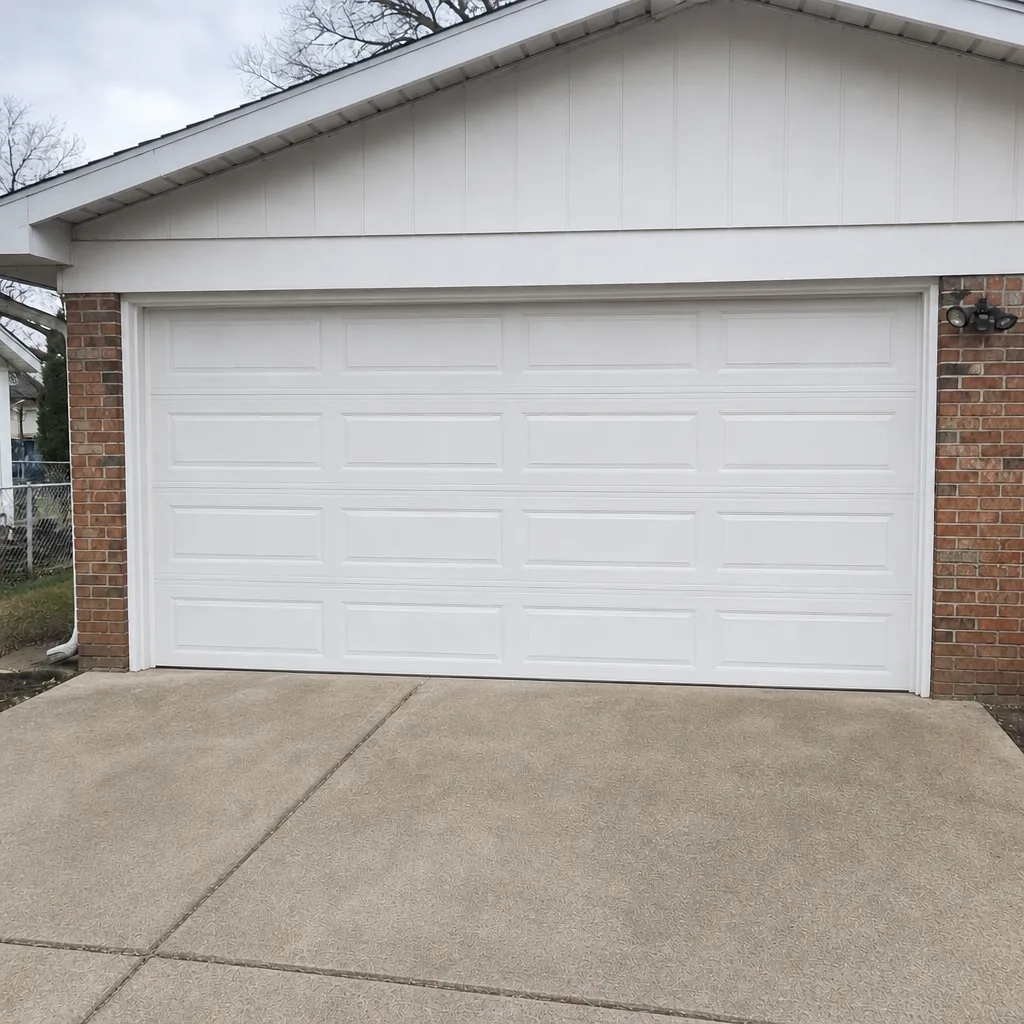
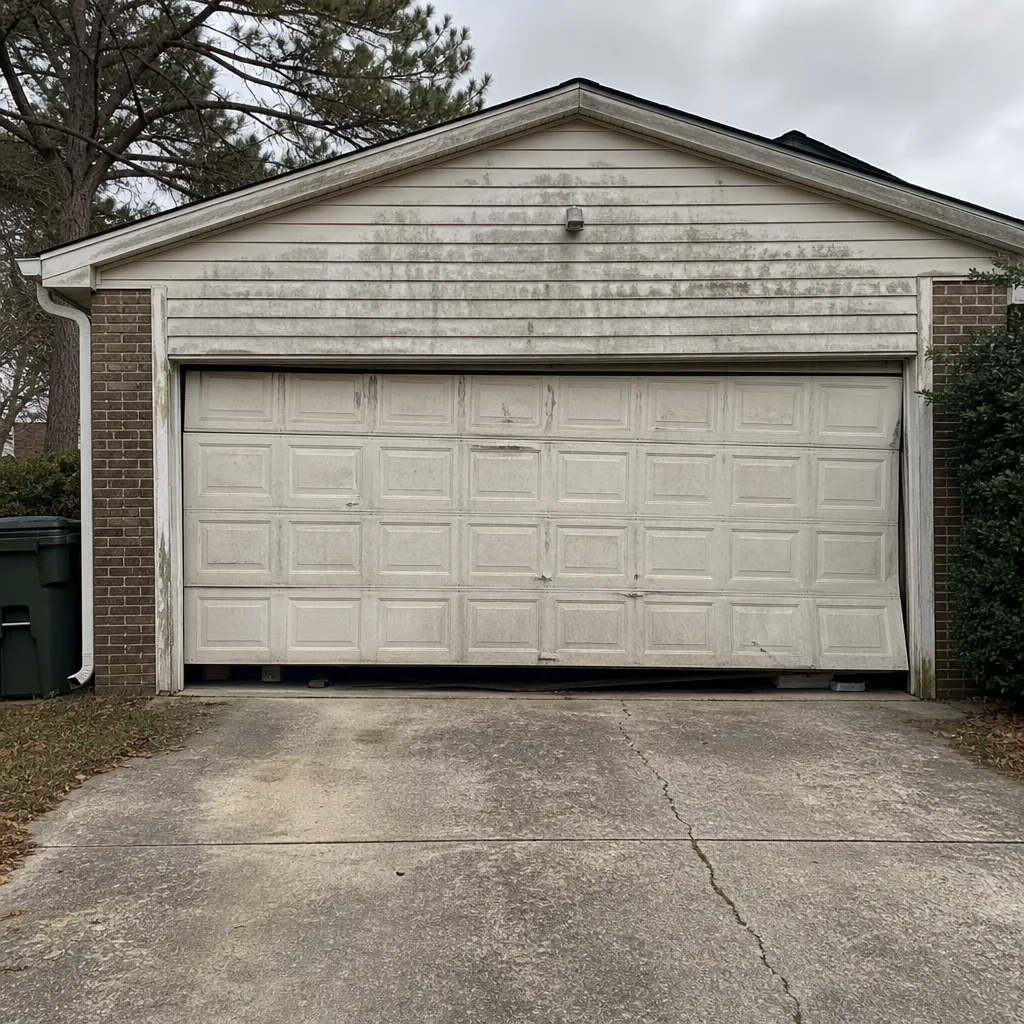
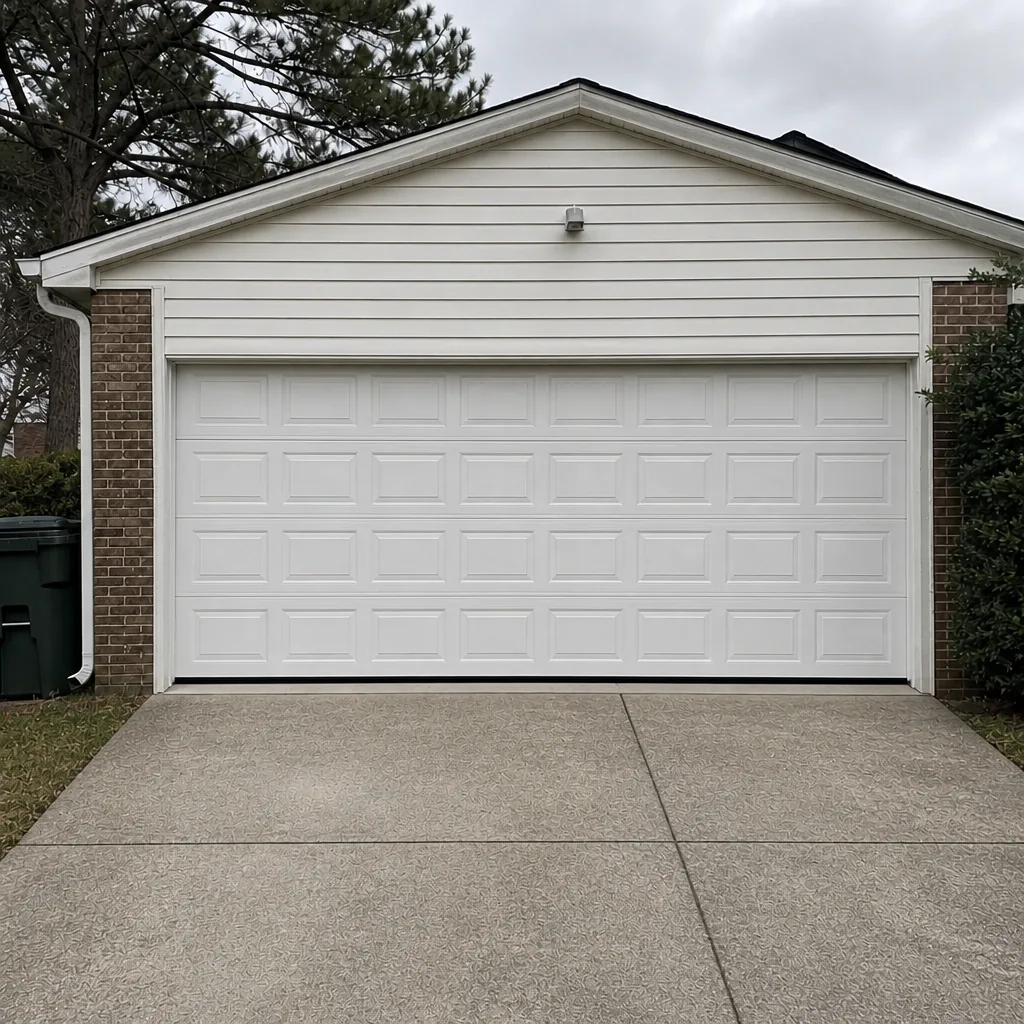
See the difference
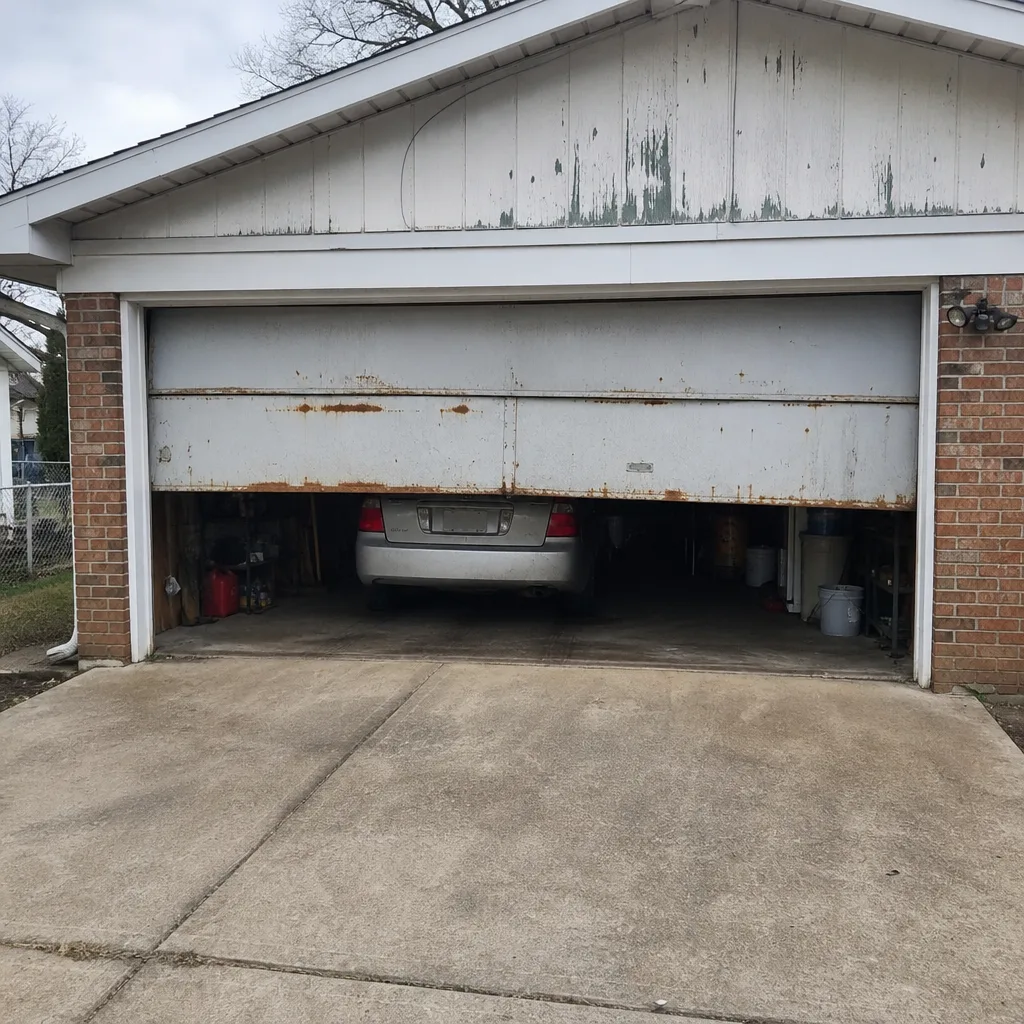 Before
 After
 Before
 After
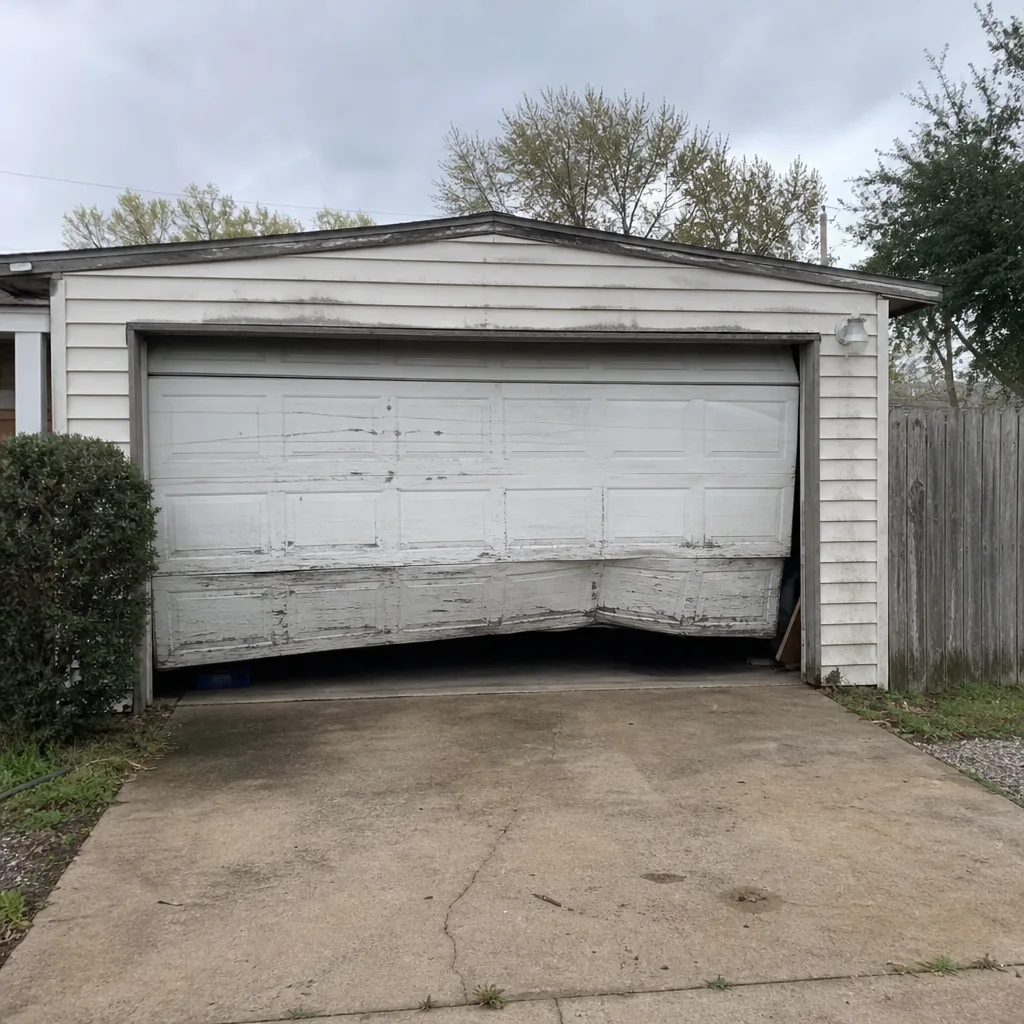 Before
 After