
Last updated November 15, 2026
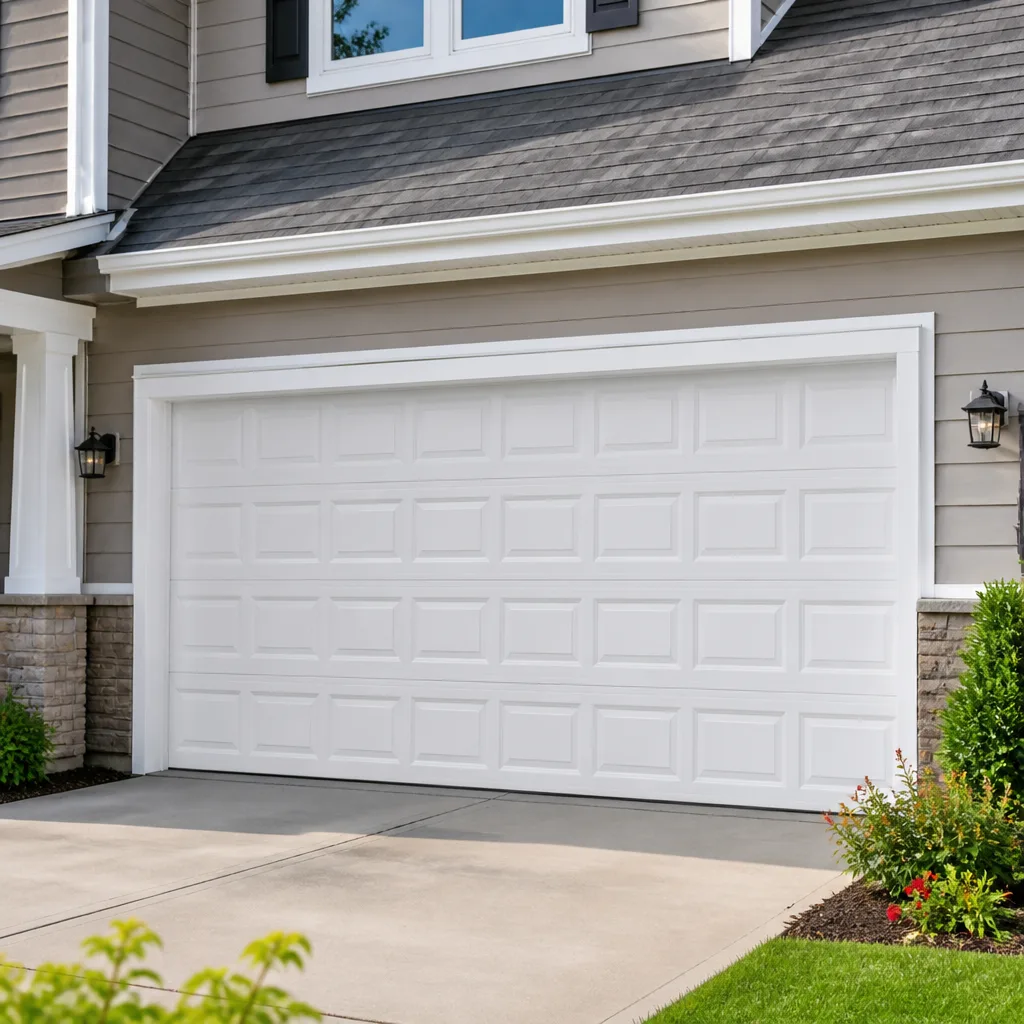 Raised-panel steel
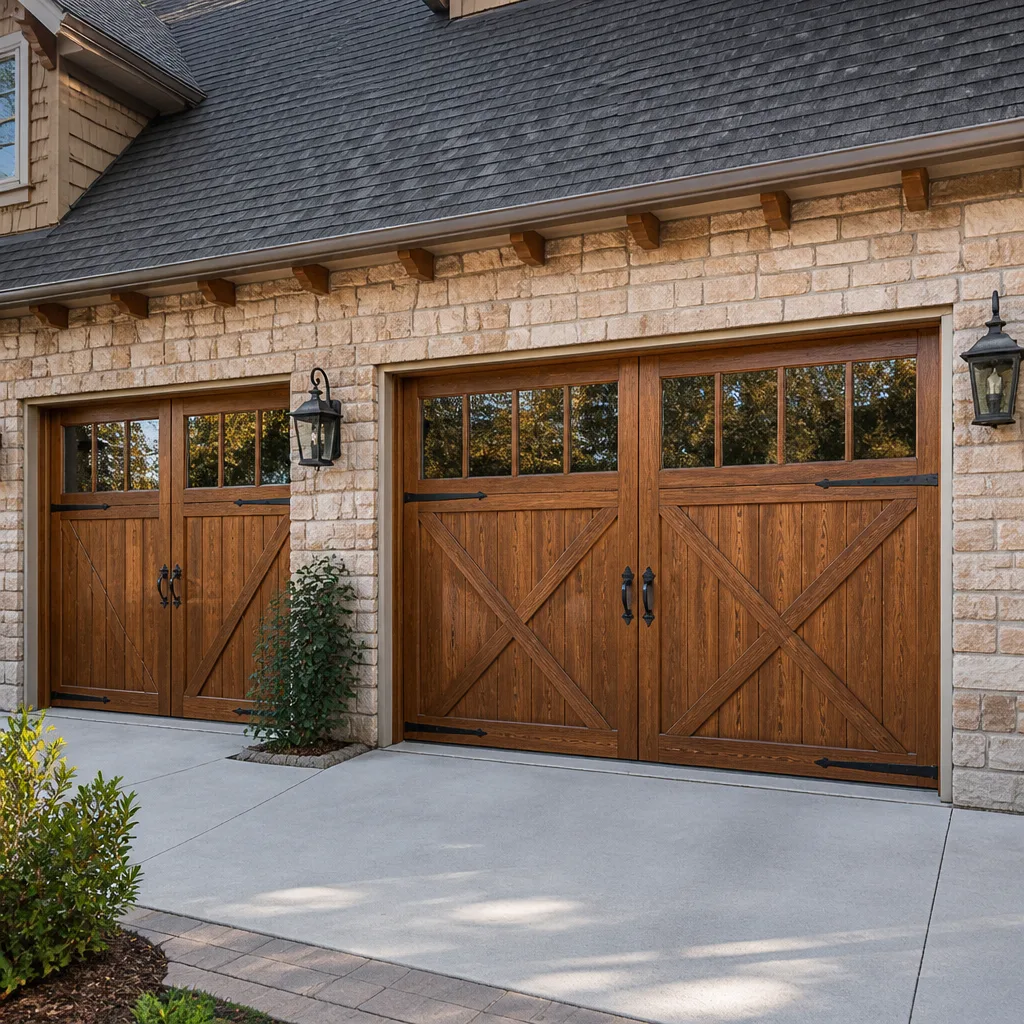 Carriage house
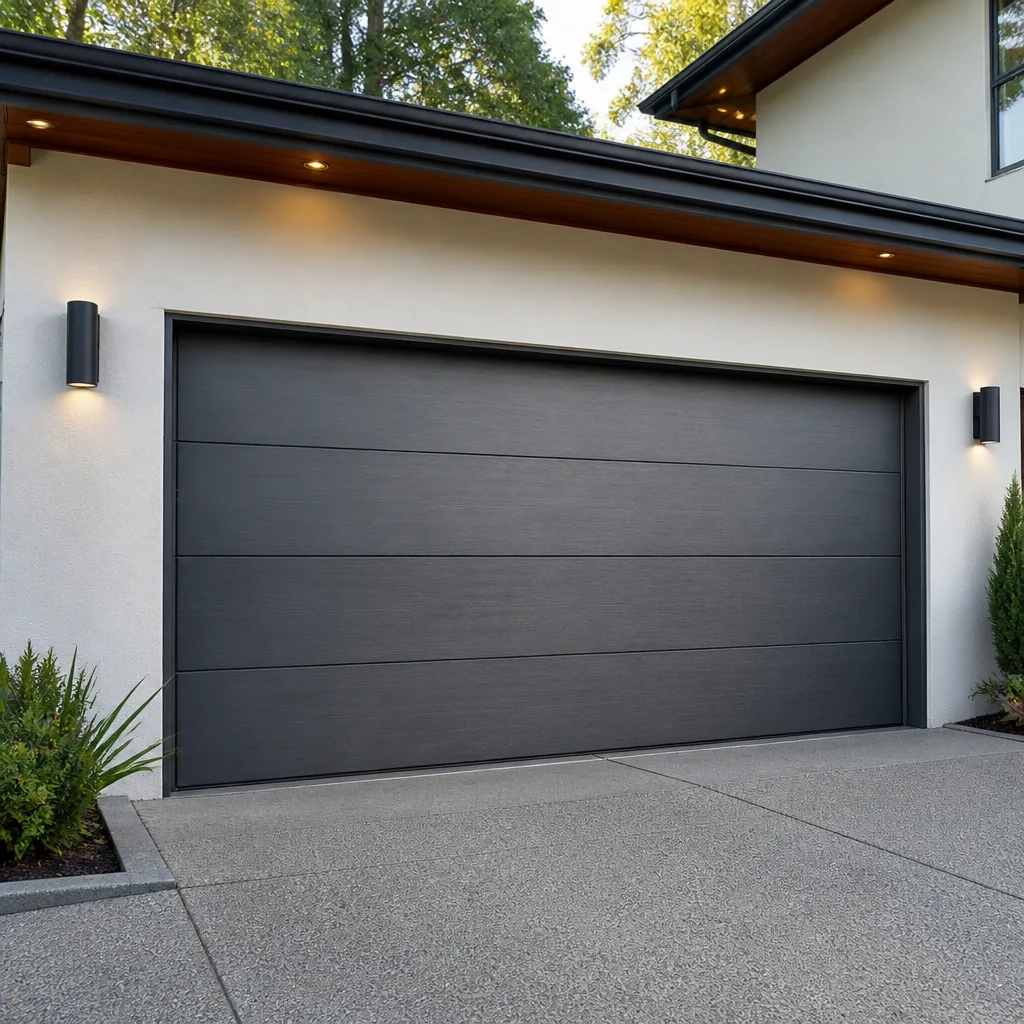 Modern flush
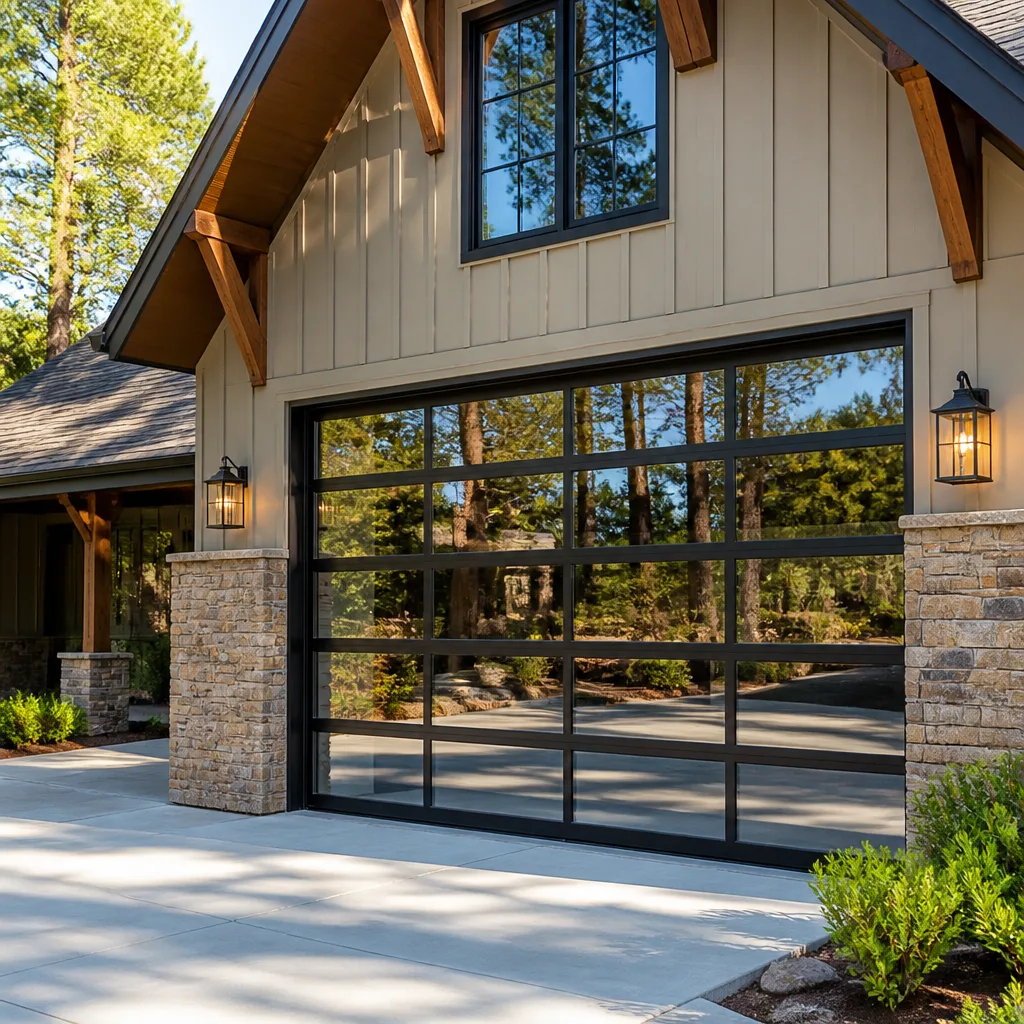 Full-view glass
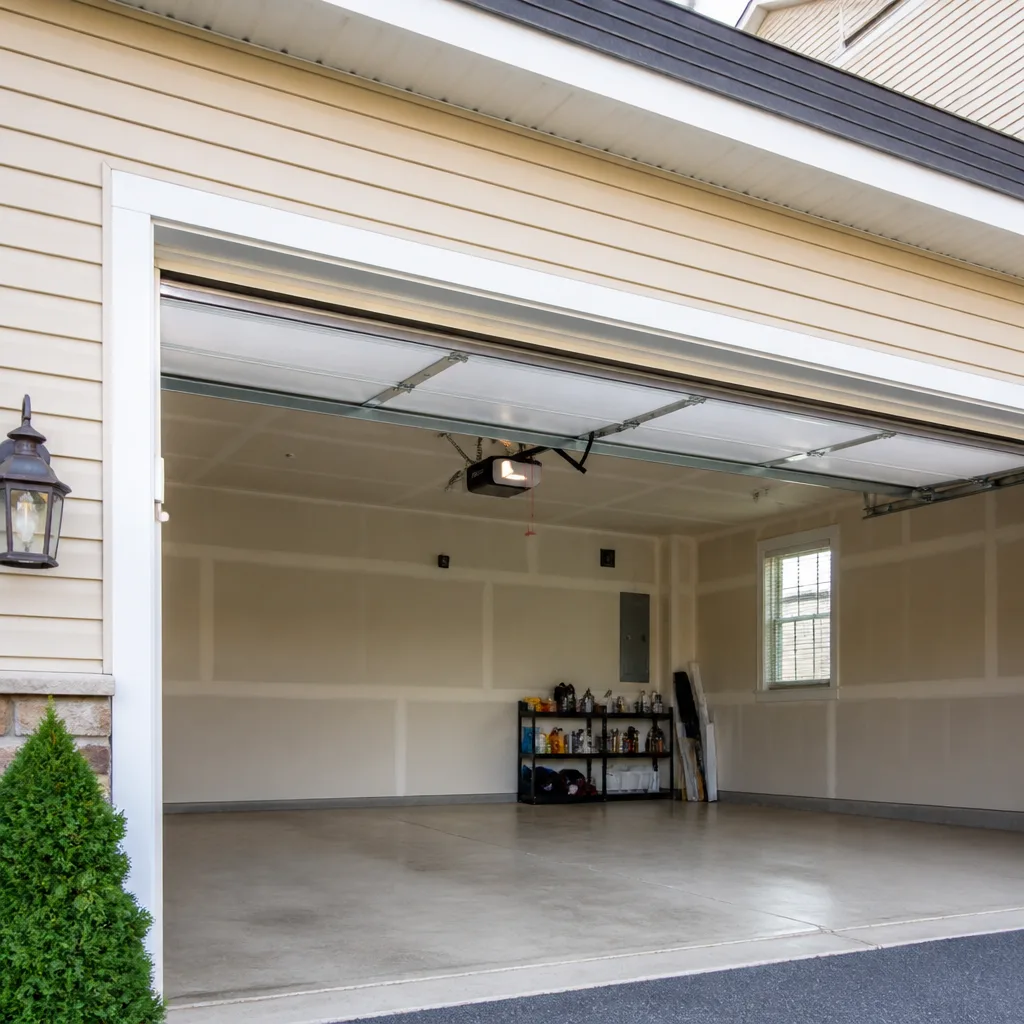 LiftMaster openers
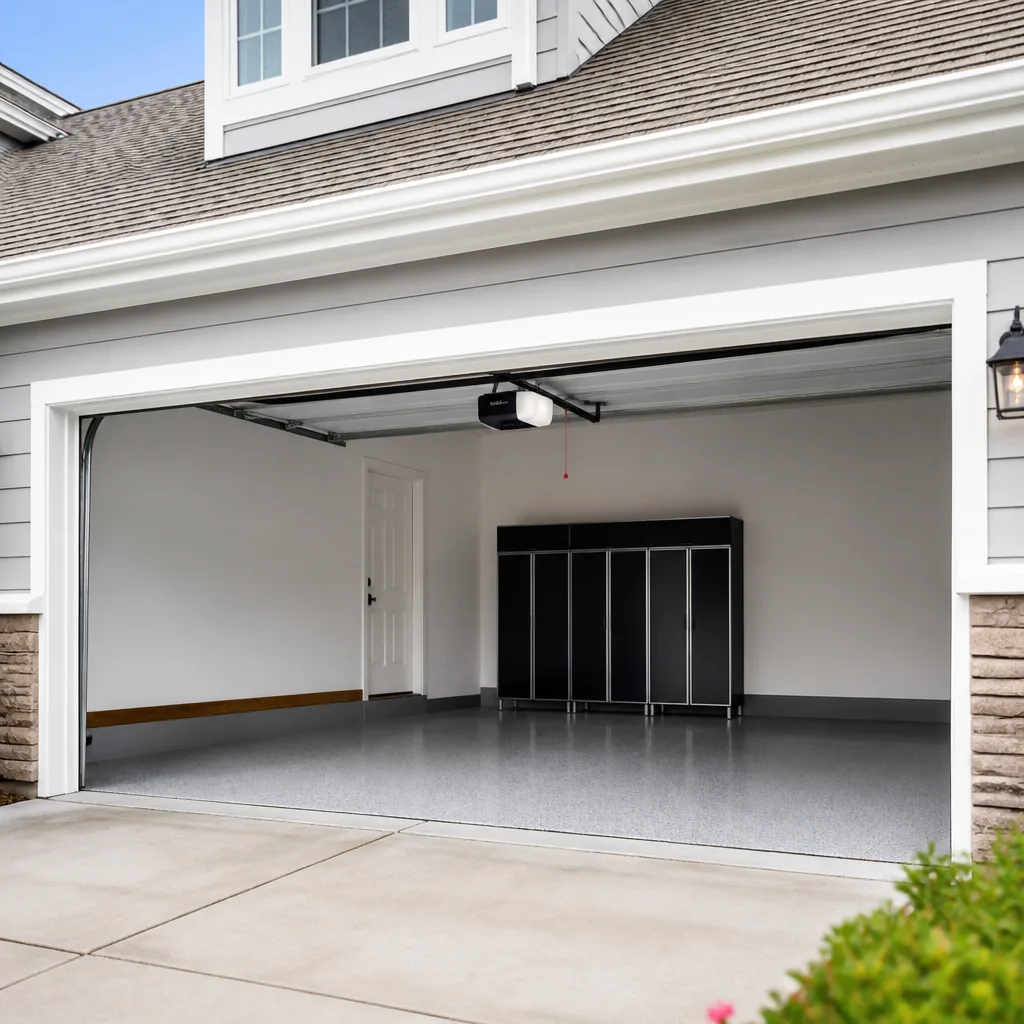 Chamberlain openers
Full 25-point door and opener safety check with every visit - springs, cables, rollers, tracks, and your LiftMaster or Chamberlain opener included
You get a price before we start. It does not change when the pro arrives.
Get your free estimateGarage Door Repair Maintenance Checklist for Suffolk Homeowners
Most maintenance checklists online treat a garage door like a car oil change: same tasks, same intervals, everywhere. That approach fails in Suffolk. The first thing we get called about after a humid Virginia summer usually isn’t a snapped spring. It’s a door that’s swollen at the panels, riding crooked in the tracks, or quietly lost its bottom seal until water shows up on the garage floor after a storm. The order in which parts fail here is different, and the checklist should reflect it. This guide gives you a task-by-task maintenance plan organized by frequency, with specific pass-fail markers, a clear line between what’s safe for you to handle and what genuinely isn’t, and the documentation habits that make a repair quote accurate before anyone drives out.
Quick Answer
A garage door in Suffolk should be checked monthly for balance, track alignment, and weather seal condition; quarterly for lubrication of hinges, rollers, and the opener’s chain or screw drive; and annually for spring and cable wear, panel moisture, and hardware tightness. Anything involving torsion springs, cables under tension, or the opener’s internal gearing should go to a trained technician. Everything else is yours to handle, and doing it on schedule is what keeps an inexpensive roller problem from turning into a track replacement.
Styles & brands we work with
- Raised-panel steel
- Carriage house
- Modern flush
- Full-view glass
- LiftMaster openers
- Chamberlain openers
Table of Contents
- Why Suffolk Doors Fail Differently
- Monthly Checklist: High-Frequency Checks
- Quarterly Checklist: Lubrication and Hardware
- Annual Checklist: Deep Inspection
- Seasonal Items Specific to Suffolk
- What You Can Safely Do vs. What Needs a Technician
- What to Photograph and Document
- The Hidden Cost of Skipped Maintenance
Why Suffolk Doors Fail Differently
Suffolk sits in a part of Virginia where the climate swings hard between seasons. Summers bring weeks of sustained humidity that soak into wood panels and work into every seam, hinge, and roller bearing. Winters deliver freeze-thaw cycles that expand and contract metal tracks and stress the rubber seals at the bottom of the door. That combination means the failure pattern here doesn’t match what a national maintenance checklist assumes.
Three things happen specifically:
- Wood and composite panels swell. Humidity gets into the end grain and the panel joints, and the door stops sitting flat. A panel that warps by even a fraction can throw off the balance and start wearing the rollers unevenly.
- Bottom seals dry out, crack, and pull away. Once the seal separates from the threshold, wind-driven rain gets under the door. Standing water on a garage floor near neighborhoods like Chuckatuck or Driver isn’t unusual after a heavy summer storm.
- Tracks shift out of plumb. Repeated freeze-thaw cycles move the ground slightly and the mounting hardware slightly, and a track that was square in October can be a few degrees off by February. Misaligned tracks are the single biggest cause of rollers jumping the rail.
That’s why this checklist front-loads the balance check and the seal inspection. Those two items catch more problems before they compound than anything else on the list. If your door is already beyond maintenance and needs actual repair, our garage door repair team works on every major brand rather than steering you toward a replacement you don’t need.
Monthly Checklist: High-Frequency Checks
This takes ten minutes. Do it on the first of the month, or tie it to something you already do, like changing the furnace filter. The point is consistency, not thoroughness. You’re looking for changes from last month.
- Balance test. Disconnect the opener (pull the release cord), lift the door halfway by hand, and let go. The door should hold that position. If it drops or rises on its own, the spring tension is off and needs a technician. Pass: holds. Fail: creeps up or down.
- Visual track check. Stand inside the garage and look up the length of each track. Both rails should be straight and parallel. Pass: straight, evenly spaced. Fail: visible bend, dent, or gap that narrows or widens.
- Roller inspection. Look at each roller where it sits in the track. The wheel should be round, spin freely, and sit flush. Pass: round and quiet. Fail: flat spot, wobble, or grinding sound.
- Bottom seal check. Close the door and look at the rubber strip along the floor. Pass: continuous contact along the whole width, no light visible underneath. Fail: light gaps, cracks, or a section peeled away.
- Obstacle test. Put a roll of paper towels under the door and close it. The door should reverse on contact. Pass: reverses. Fail: keeps pressing. Stop using the opener and call for service immediately.
Monthly checks matter most in Suffolk during the transition months, when humidity is climbing or falling fast. If your balance test starts failing in late spring, that’s usually the wood swelling, not the spring itself. Either way, the door needs attention before the problem spreads to the rollers.
Quarterly Checklist: Lubrication and Hardware
Lubrication is where most Suffolk homeowners either skip the task entirely or use the wrong product. A door that squeals doesn’t need more grease. It needs the right lubricant in the right places. This takes about twenty minutes and prevents the most common call we get: a door that runs but sounds like it’s in pain.
- Lubricate hinges. One drop of light machine oil or a quick shot of white lithium grease at each hinge pivot point. Don’t spray the whole hinge; you want the pivot, not the plate.
- Lubricate rollers. A few drops on the bearing of each roller (not the track surface). Steel rollers need oil; nylon rollers usually don’t and can be left alone. Over-lubricating nylon rollers attracts grit.
- Lubricate the spring. A light coat on the torsion spring coils reduces friction between the coils. This is a lubrication-only task. Never try to adjust, wind, or unwind a torsion spring yourself. That’s a separate, dangerous job for a technician.
- Check and tighten hardware. Go along the track brackets and panel hinges with a socket wrench. Loose bolts work themselves free over a season of use and are the second most common cause of track misalignment after ground settling.
- Lubricate the opener drive. For a chain drive (common on LiftMaster and Chamberlain units), apply chain lube along the length. For a belt drive, leave it alone. For a screw drive (Genie uses these on several models), apply the manufacturer’s screw-drive lubricant to the threaded rod.
Coastal-adjacent neighborhoods in Suffolk see more lubrication demand than inland areas because higher ambient moisture accelerates wear on metal contact points. If your door is within a few miles of the water, or in a low-lying area that stays humid longer, quarterly lubrication might need to become every other month during summer. It’s cheap insurance against a $300 track replacement.
Annual Checklist: Deep Inspection
Once a year, set aside an hour for a thorough pass. This is where you catch the slowly developing problems that monthly checks miss, and where a trained eye is worth having on the property. If you’d rather not do this one yourself, our garage door opener repair and inspection service covers the opener side while a technician walks the whole door system.
- Inspect springs for wear. Look at the coil for gaps, rust, or a visible stretch. A spring that’s lost tension runs the door slowly and strains the opener. This is inspection only, never repair. Springs are under extreme tension and can cause serious injury if handled without the proper tools and training.
- Inspect cables for fraying. Cables should be taut with no kinks, frays, or broken strands. A cable with even one broken strand needs professional replacement. Never touch a cable under tension.
- Panel moisture check (wood doors). Press a small moisture meter or your hand against the bottom rail and the panel edges. Soft spots, bubbling paint, or visible darkening means water is getting in. Address it before the panel delaminates.
- Hardware audit. Check every bolt, bracket, and mount point. Anything loose gets tightened. Anything rusted gets replaced. Rust on the track mounting brackets is a common sight in Suffolk’s humid summers.
- Opener safety reversal test. Same as the monthly obstacle test, but also test the photo-eye safety sensors at the bottom of the tracks. Wave an object between them while the door is closing. If the door doesn’t reverse, the sensors need attention.
- Weatherstripping and threshold check. Look at the side jambs and the top seal, not just the bottom. Any gap lets in wind-driven rain and pests. Replacing weatherstripping is inexpensive and is one of the highest-value maintenance tasks in this climate.
An annual inspection is also the right time to have a professional look at the opener’s internal condition. Gears wear, capacitors age, and modern smart openers from LiftMaster and Chamberlain have firmware and battery backup systems that need periodic attention. If yours is more than a few years old and running quirks are starting to show, that’s worth a real diagnostic rather than guesswork.
Seasonal Items Specific to Suffolk
A year-round maintenance schedule is fine, but Suffolk’s climate demands seasonal attention that a generic checklist misses. Here’s what to add at each turn of the year.
After Hurricane Season (Late Fall)
Once the storm season winds down, inspect the entire door system for wind and water intrusion. Check that no panels are loose, that the tracks haven’t shifted from wind pressure, and that no water got behind the weatherstripping. Wood doors especially need a moisture check at every panel joint and along the bottom rail. If paint is bubbling, water is underneath and needs to dry out and be resealed before the next wet cycle.
After the First Freeze-Thaw Cycle (Winter to Early Spring)
Freeze-thaw cycles are hard on Suffolk doors. The ground shifts, the metal tracks expand and contract, and the rubber seals get brittle. Do a full track alignment check, a bottom seal inspection, and a roller inspection as soon as the first freeze passes. A door that worked fine in December can start binding in February.
Before Summer Humidity Peaks (Late Spring)
Lubricate everything a week or two before the humidity climbs. The oil film helps keep moisture off the metal contact points during the wet months. Check your wood panels for any small cracks or open joints so you can seal them before the moisture gets in.
Coastal-Adjacent Lubrication Schedule
In Suffolk neighborhoods closer to the water, bump quarterly lubrication to every other month from May through September. The extra humidity accelerates corrosion on hinges, springs, and rollers. It’s not dramatic, but it’s the difference between a door that lasts and one that starts failing at year ten instead of year fifteen.
What You Can Safely Do vs. What Needs a Technician
This is where we see the most dangerous confusion. Half the maintenance videos online blur the line between “check it” and “fix it,” and that distinction matters. Here’s the honest breakdown.
Safe for You to Do
- Lubricate hinges, rollers, springs (surface only), and opener chains or screws
- Tighten visible bolts and brackets
- Run the balance test and the obstacle test
- Replace the bottom weather seal
- Clean the photo-eye sensors
- Change the opener remote battery
- Photograph anything that looks off
Needs a Trained Technician
- Spring adjustment or replacement. Torsion springs are under extreme tension and can kill if the wrong tool slips. Extension springs are also dangerous. Both need a technician with the correct winding bars and training.
- Cable adjustment or replacement. Cables can snap without warning under load. Never handle one yourself.
- Track realignment. Requires the door to be brought to a controlled position, and a bent track under balanced tension can shift when you loosen the wrong bolt.
- Opener gear or motor repair. Internal gearing is under spring load and requires disassembly.
- Roller replacement on the top or bottom brackets. These brackets are under spring tension even when the door is down.
If you’re unsure which category a task falls into, treat it as professional. A call is cheap. A hospital visit is not. And for anything involving a snapped cable or a door that won’t stay up, stop using the door entirely until a technician has looked at it. Your safety is where we draw the line between “helpful neighbor” and “call us.”
What to Photograph and Document
This is the section most homeowners skip and the one that saves the most time and money. If you document your maintenance properly, a technician can quote accurately before setting foot on the property. That means fewer trips, faster service, and less back-and-forth about what’s actually wrong.
Here’s what to capture on your phone, every month or two:
- A wide shot of the inside of the door, fully closed. Captures spring condition, track alignment, and cable position in one frame.
- A close-up of each spring. Shows rust, gaps, or visible stretch. Two photos, one per spring if you have a torsion setup.
- A close-up of the roller-to-track contact point on both sides. Shows whether the roller is riding flush or has a flat spot.
- A photo of the bottom seal from outside, door closed. Shoot from a low angle so light gaps are obvious.
- A photo of the opener’s control board or model sticker. Tells us the brand and model (LiftMaster, Chamberlain, Genie, etc.) so we know what to expect before we arrive.
- A 10-second video of the door opening and closing. Catches dragging, shaking, uneven motion, and any sounds. This is often the single most useful item in the file.
Take these photos from a spot where the door won’t move on you, and don’t reach into a track or under a door while it’s operating. Keep the files named by date and store them in one folder. When something goes wrong, you’ll have a photo history to compare against, which is far more useful than trying to describe a noise over the phone. Bring the photos up when you call for an estimate and the quote gets accurate on the first pass.
The Hidden Cost of Skipped Maintenance
The financial argument for maintenance is simple: cheap parts fail cheaply if you catch them early and expensively if you don’t. A worn roller is an inexpensive replacement on its own. Ignore it for a season and the door starts dragging unevenly on one side, which wears the track, which bends the mounting brackets, which eventually pops the cable. What started as a roller fix becomes a track replacement and a cable job, and the bill multiplies by an order of magnitude.
The pattern repeats across the whole door system:
- A bottom seal that’s cracking is a low-cost part. Ignored, water gets in, the bottom rail of a wood door rots, and now you’re looking at panel work.
- A loose track bolt is a one-minute fix. Ignored, the bracket works its way out of the wall and you’re into structural repair of the mounting point.
- A noisy opener is often a gear wearing down. Ignored, the gear strips, the motor burns out, and you’re replacing the whole unit instead of servicing it.
- Dry, unlubricated hinges wear their pin holes oval over time. Once that happens, the door rattles even after a full lubrication.
The same logic applies to the opener. A LiftMaster or Chamberlain unit that’s making a new noise is usually telling you something specific. Ignoring it is how a serviceable opener becomes a replacement. In our experience, the homes we see with the fewest repair calls are the ones where the owner simply ran the monthly checks and wrote down what changed.
There’s also a documentation cost to skipping. If you can’t tell us when the symptom started, we’re diagnosing blind. A maintenance notebook, even a text file on your phone, turns diagnosis from guesswork into a timed list of observations. That’s the difference between the right part on the first trip and a second appointment.
Common Mistakes to Avoid
- Using WD-40 as a lubricant. It’s a solvent, not a long-term lubricant. It thins and disperses, then leaves the hinge dry. Use white lithium grease or light machine oil instead, and the hinges will last through a Suffolk summer.
- Greasing the track. The rollers are supposed to roll, not slide. Greasing the track surface attracts grit and actually accelerates wear. Lubricate the roller bearing, leave the track clean.
- Adjusting springs yourself. This is the most dangerous mistake on the list. Torsion springs hold enough stored energy to cause serious injury or worse. No homeowner should ever try this, no matter what a video says.
- Ignoring a slowly closing door. A door that takes a few extra seconds to close is usually a spring losing tension. Left alone, the opener takes the strain and wears out faster than it should. Address it early.
- Forgetting the photo-eye sensors. They’re at the bottom of the track and get bumped, covered in pollen, or knocked out of alignment by a storage item. Clean and check them monthly; it’s a safety system, not a convenience.
- Skipping the post-hurricane moisture check. Wood doors in Suffolk need a full moisture inspection after storm season. Water gets into panel joints and rots from the inside, so the damage is invisible until the panel fails.
- Assuming any noise means “replace the door.” Most of the calls we get for a “worn out” door turn out to be a servicing issue, not a replacement. Get a diagnosis before assuming the worst.
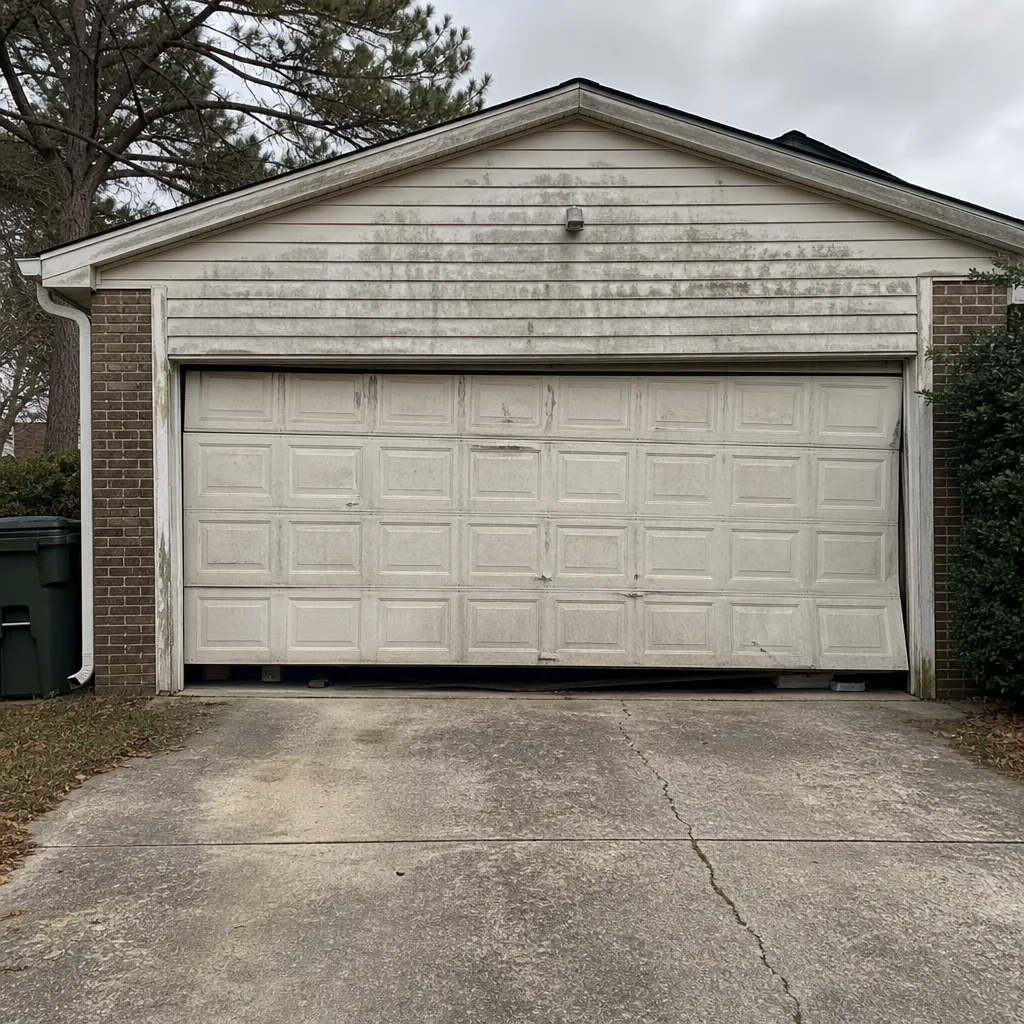
See the difference
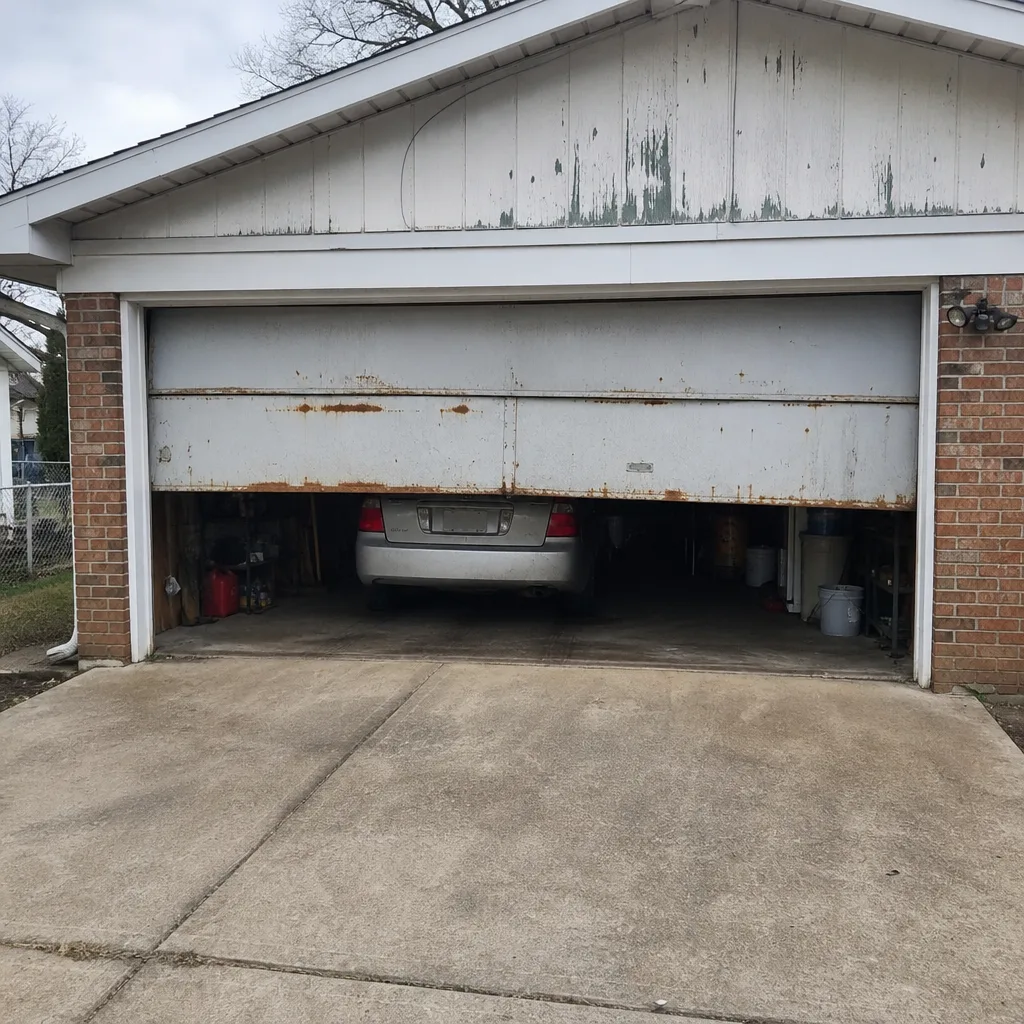 Before
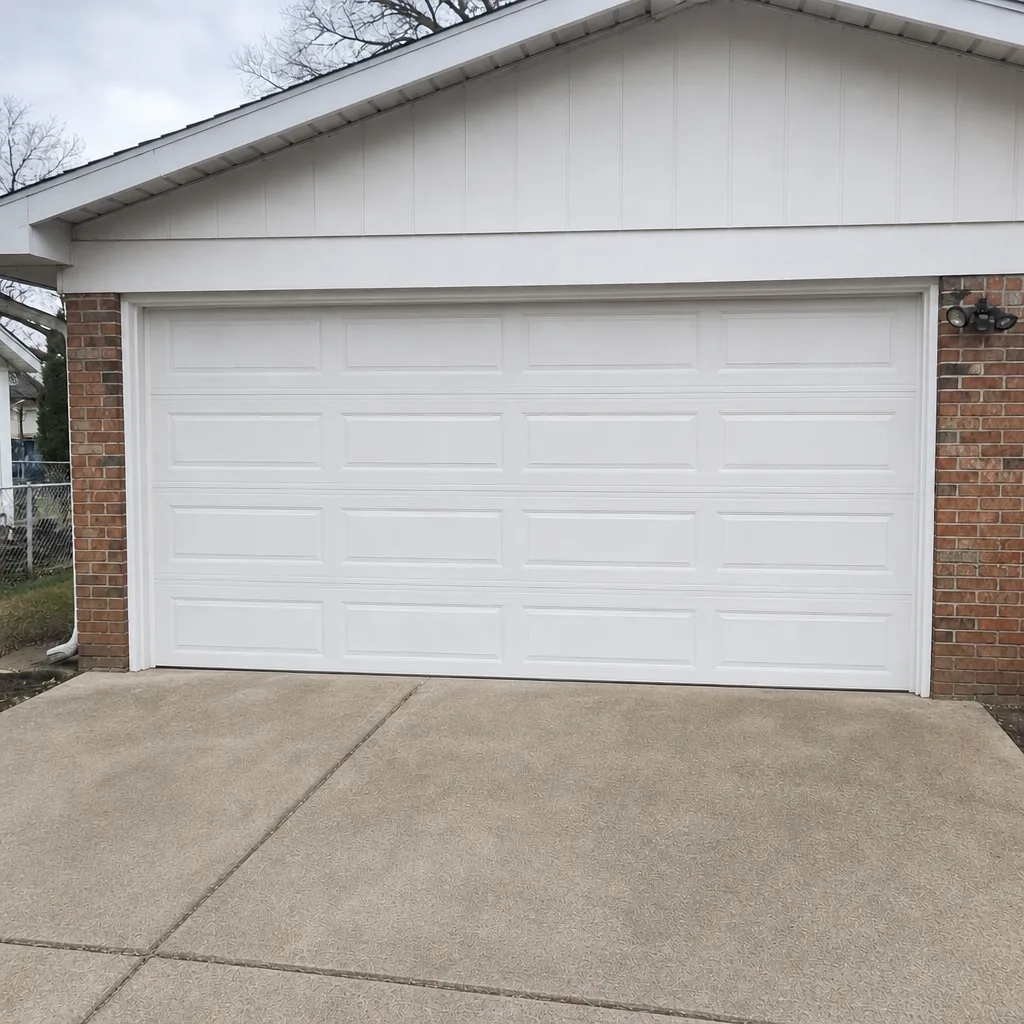 After
 Before
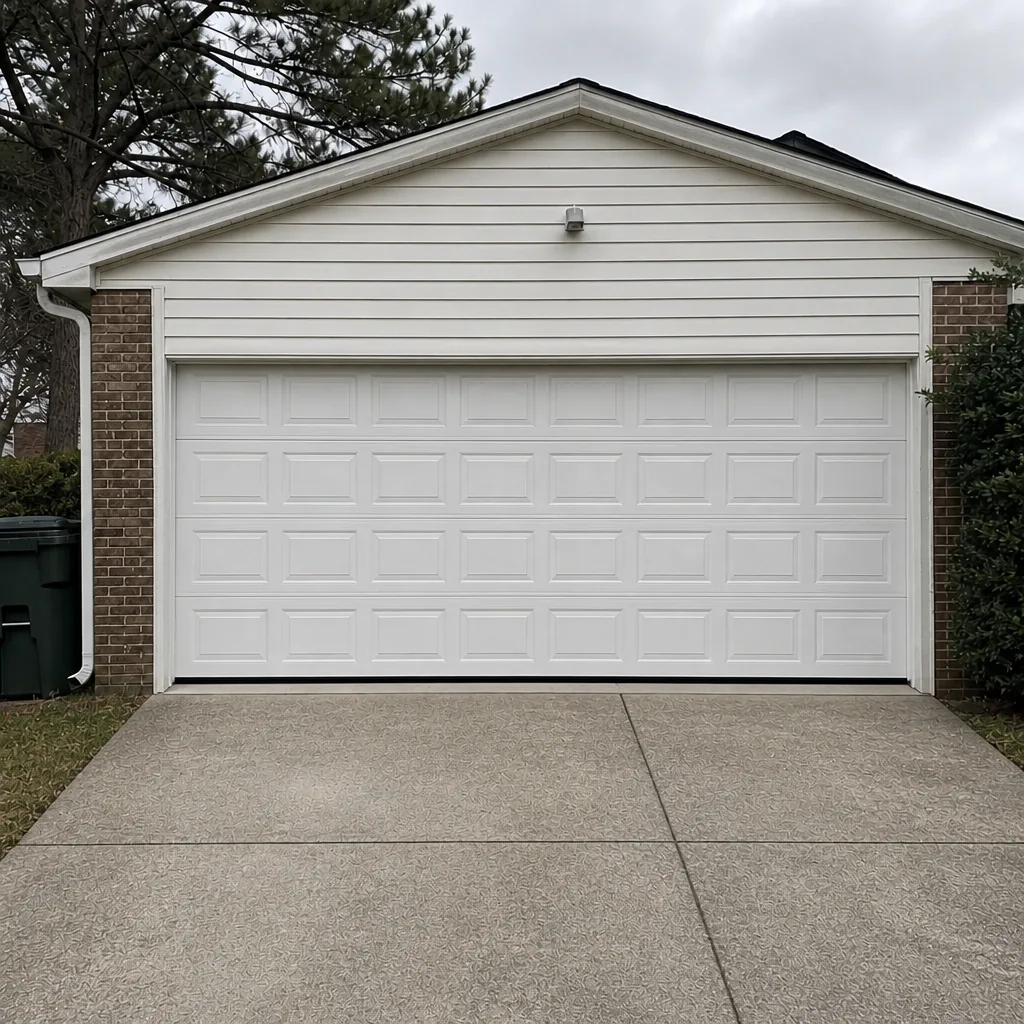 After
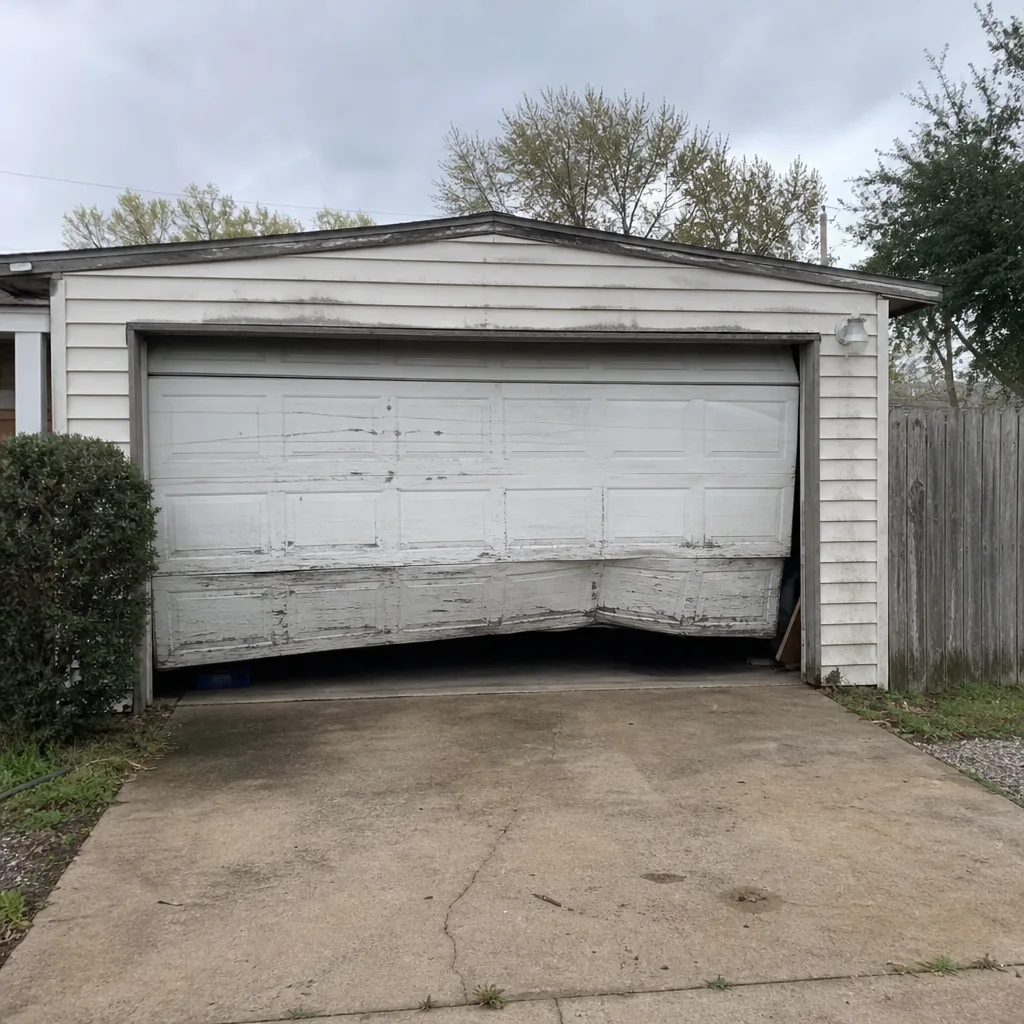 Before
 After
When to Call a Professional
Some problems need a trained eye and a trained hand. Call a technician if any of the following is true: the door won’t stay in the halfway position when you let go; the door reverses or stops partway through a cycle; the opener makes grinding, clicking, or humming sounds without moving the door; you see a visible bend in the track; there’s a broken or frayed cable; a spring has snapped or visibly stretched; the door is visibly out of alignment with the opening; or the safety reversal test fails. Any of these is a stop-using-the-door situation. Don’t keep running the opener hoping it clears up, because the opener’s internal parts are usually what gets damaged next.
Thrive Garage Door Repair offers free estimates in Suffolk, and we work on what you already have across the major brands. Call (888) 404-3987. We answer 24/7. Fast dispatch from 7am to 7pm, Sunday through Friday. The written estimate is the price, and it’s quoted and agreed before any work starts.
Frequently Asked Questions
Monthly for the balance and seal checks, quarterly for lubrication, and annually for a full inspection including springs and cables. In coastal-adjacent Suffolk neighborhoods, the lubrication schedule should move to every other month during summer humidity. That schedule is tighter than what a generic national checklist suggests, because Suffolk’s humidity and freeze-thaw cycles put more stress on the door system than a dry or mild climate does.
No. Torsion and extension springs are under extreme tension and can cause serious injury if they release unexpectedly, even to experienced homeowners using the wrong tool. Spring replacement requires winding bars, proper measurement, and clearance knowledge. This is one task we strongly advise leaving to a trained technician, full stop. Call (888) 404-3987 if a spring has failed and we’ll get you a written estimate.
Check the tracks for bends or misalignment, check the panels for loosening, inspect the bottom and side seals for water intrusion, and run the balance test. On wood doors, do a full moisture check at the joints and the bottom rail. Photograph everything, even if nothing looks wrong. If the door sounds different after a storm, that’s a signal to check before running it again.
Summer humidity swells wood and composite panels, and that swelling throws off the door’s balance and increases friction against the tracks. It’s a humid-climate issue, and it’s common in Suffolk. If the door drags specifically in summer and improves in fall, the panels or seals are the likely cause. Lubrication helps, but if the balance test is failing, the door needs adjustment.
In most cases, yes. Consistent maintenance catches the cheap-part failures before they cascade into expensive ones. A roller replaced on schedule stays a roller replacement. The same roller ignored can lead to track replacement, cable damage, and eventually opener strain. Maintenance doesn’t make a door last forever, but it extends the lifespan meaningfully and keeps repair calls small.
Pricing is quoted per job and set by the written estimate, so there’s no flat number across every door. The estimate is free, and the price you’re quoted is the price you pay. Call (888) 404-3987 for an exact quote, and bring your maintenance photos if you have them. That helps us quote accurately before we arrive.
The Bottom Line
The right maintenance schedule for a Suffolk garage door isn’t the same as the generic one you’ll find online. Humidity and freeze-thaw cycles here put the stress on seals, panels, and tracks first, and the door’s balance and moisture condition tell you more about its health than the springs do most of the year. Run the monthly checks, lubricate on the quarterly schedule (more often if you’re closer to the water), get the annual deep inspection, and photograph everything so a quote is accurate the first time. The tasks that are yours to handle will save you real money. The tasks that aren’t are genuinely dangerous, and knowing the difference is the whole point of the checklist. When something on the list fails, Suffolk homeowners can reach Thrive Garage Door Repair for a free estimate. Call (888) 404-3987. We answer 24/7. Fast dispatch from 7am to 7pm, Sunday through Friday.
Written by the team at Thrive Garage Door Repair.