
Last updated November 15, 2026
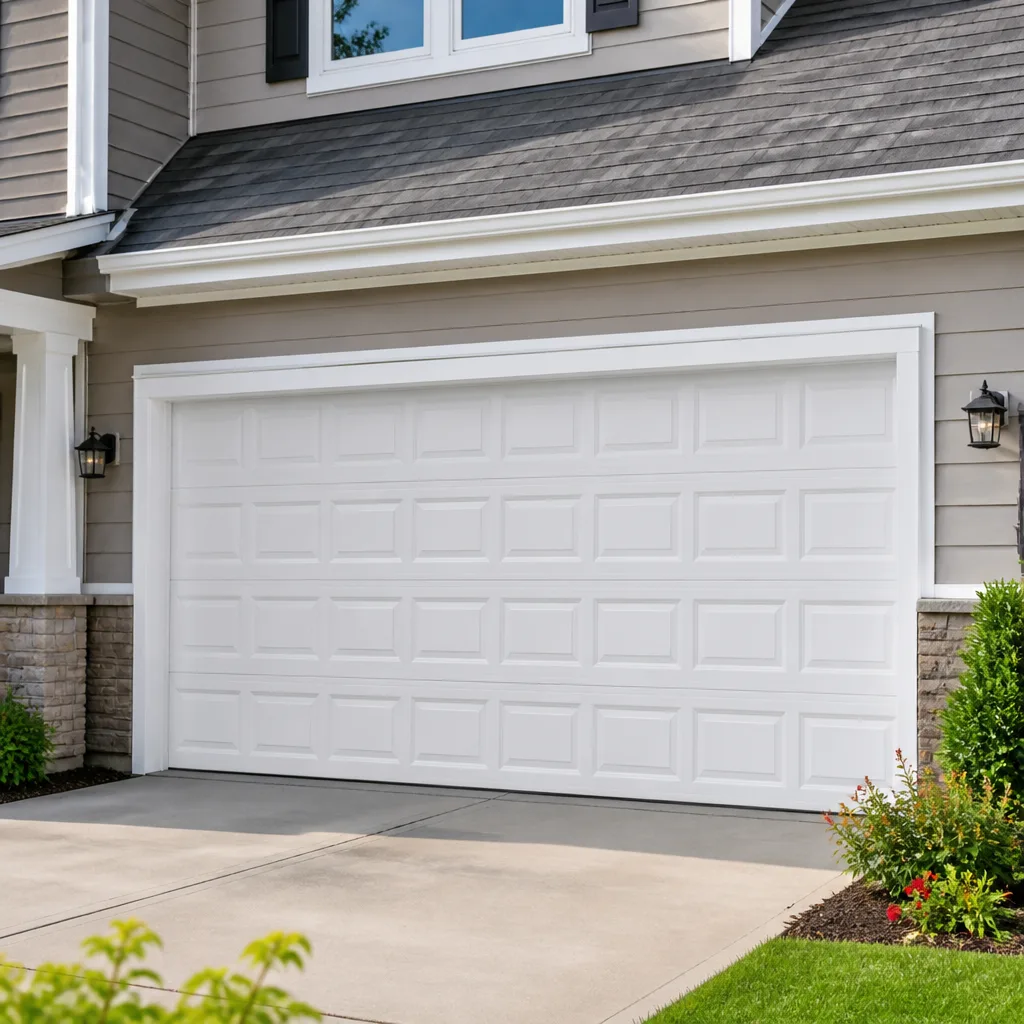 Raised-panel steel
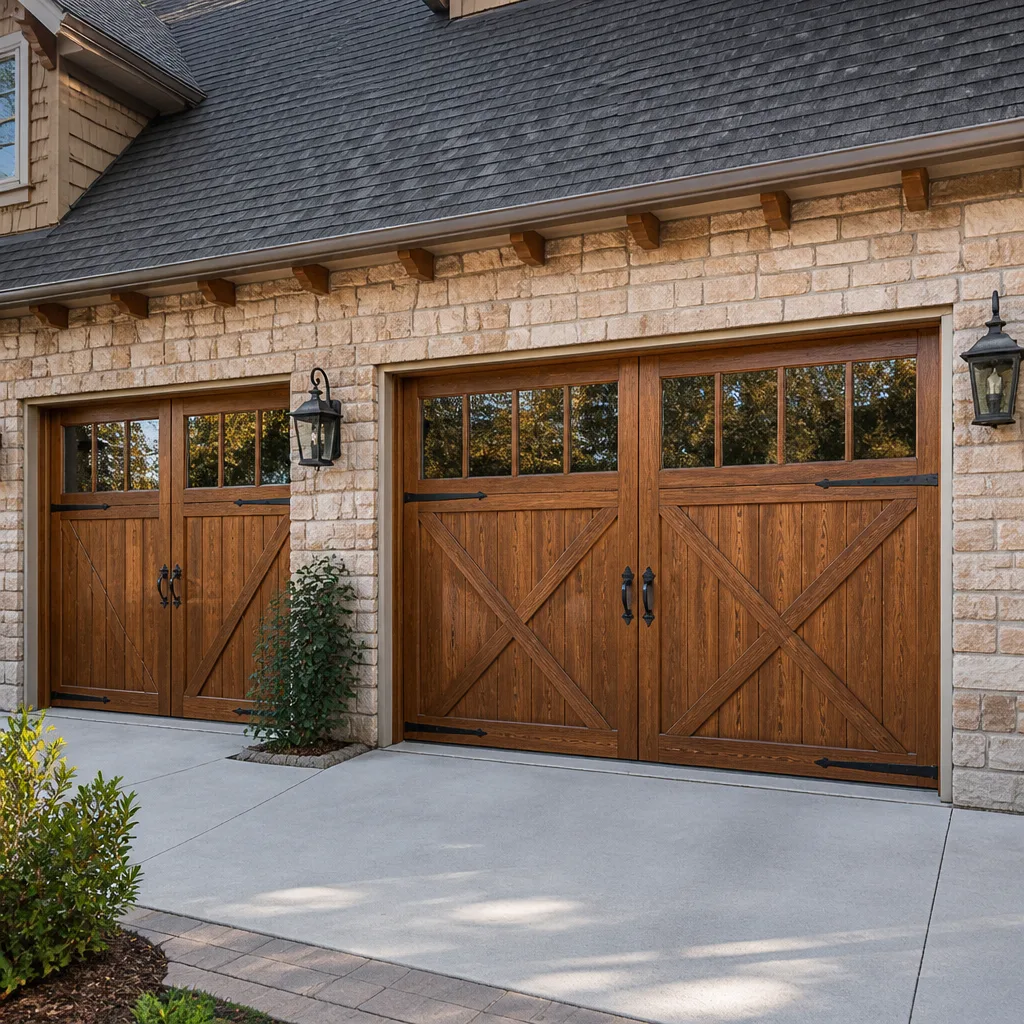 Carriage house
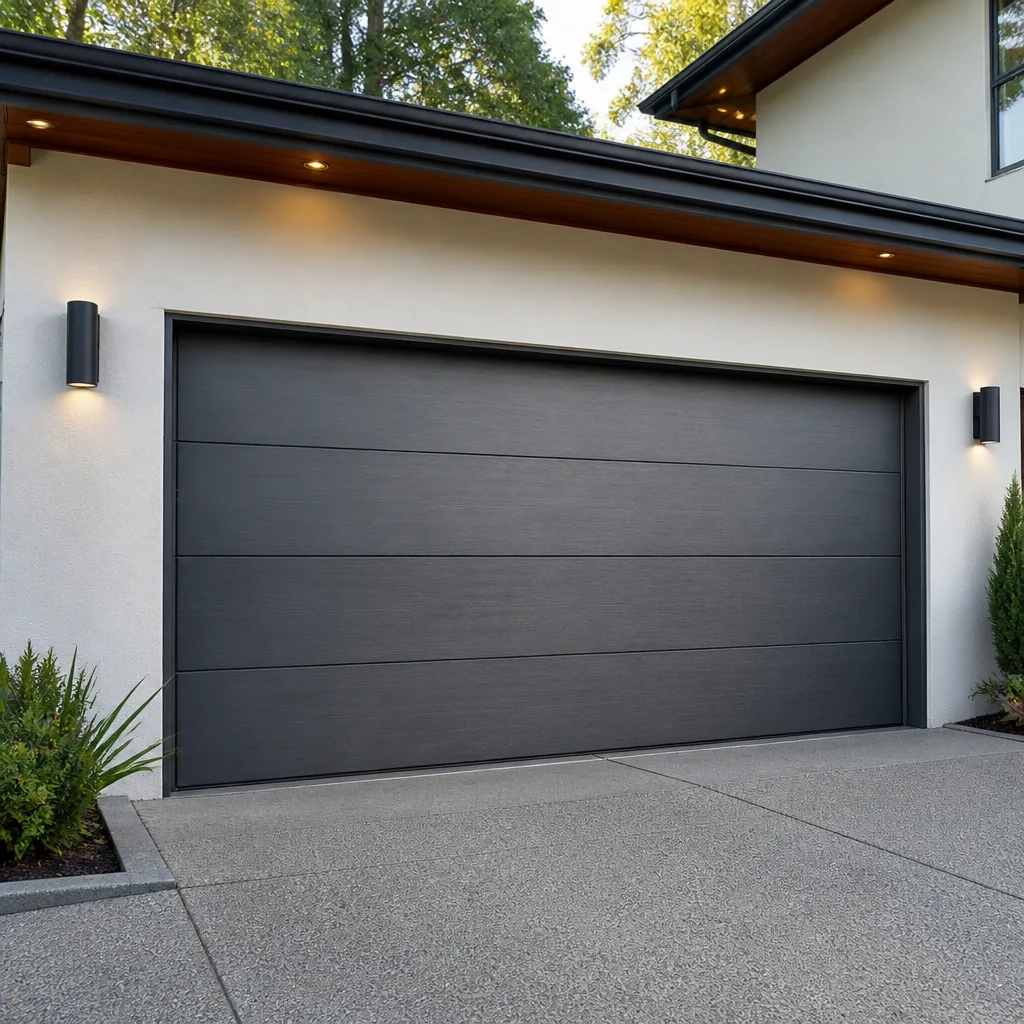 Modern flush
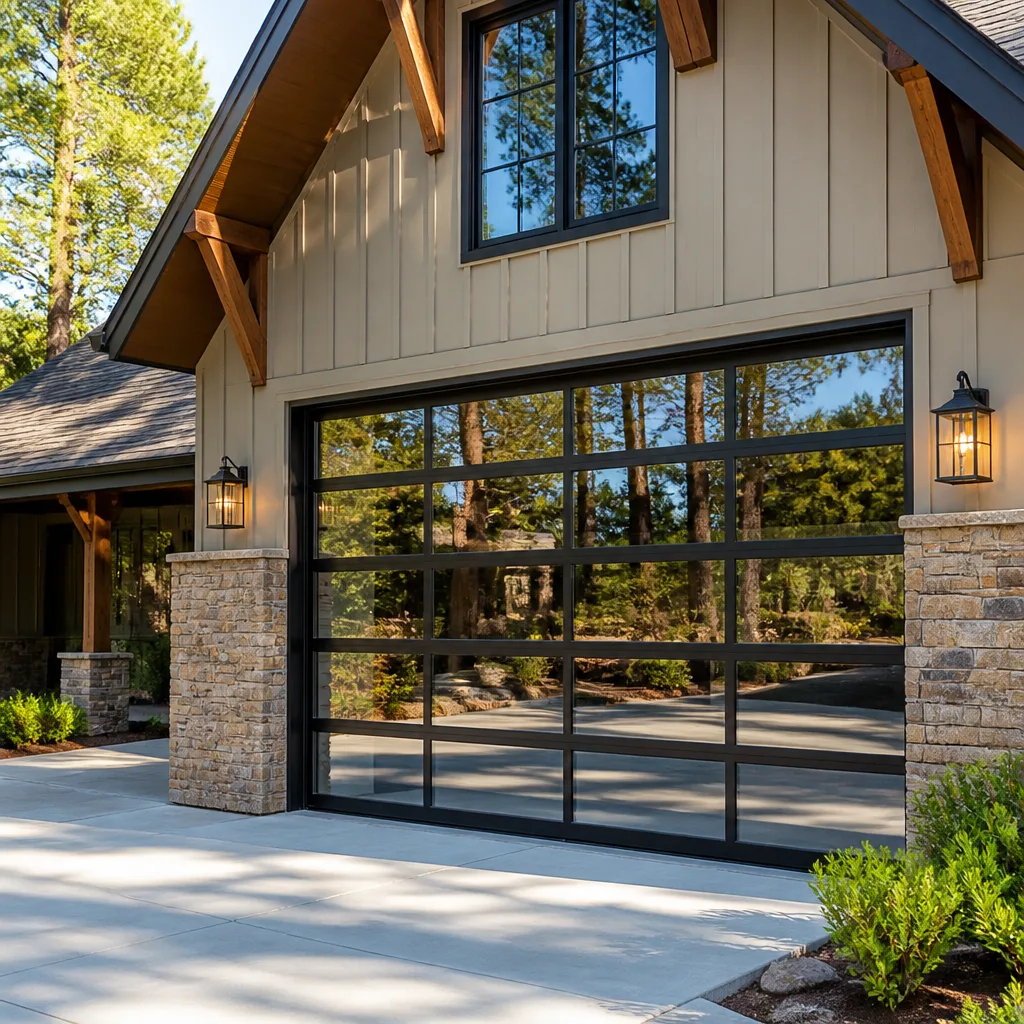 Full-view glass
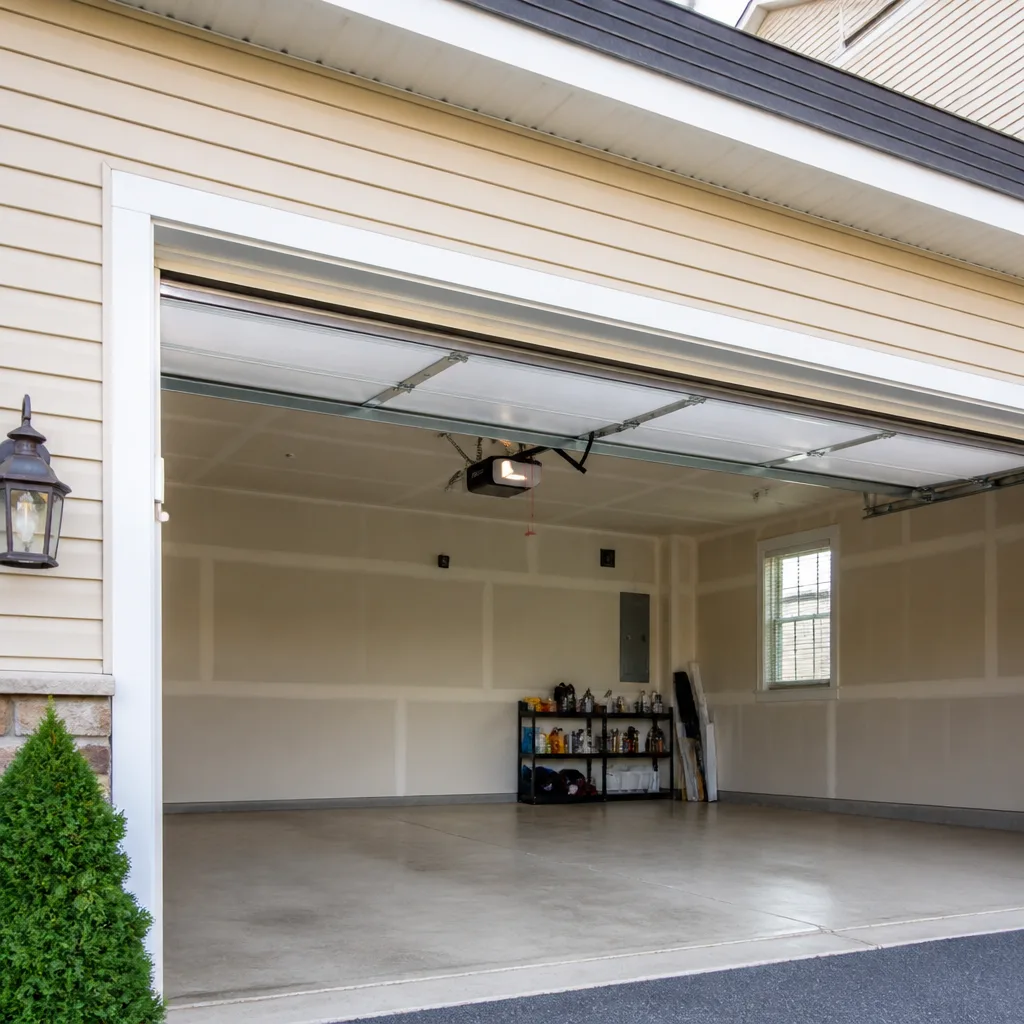 LiftMaster openers
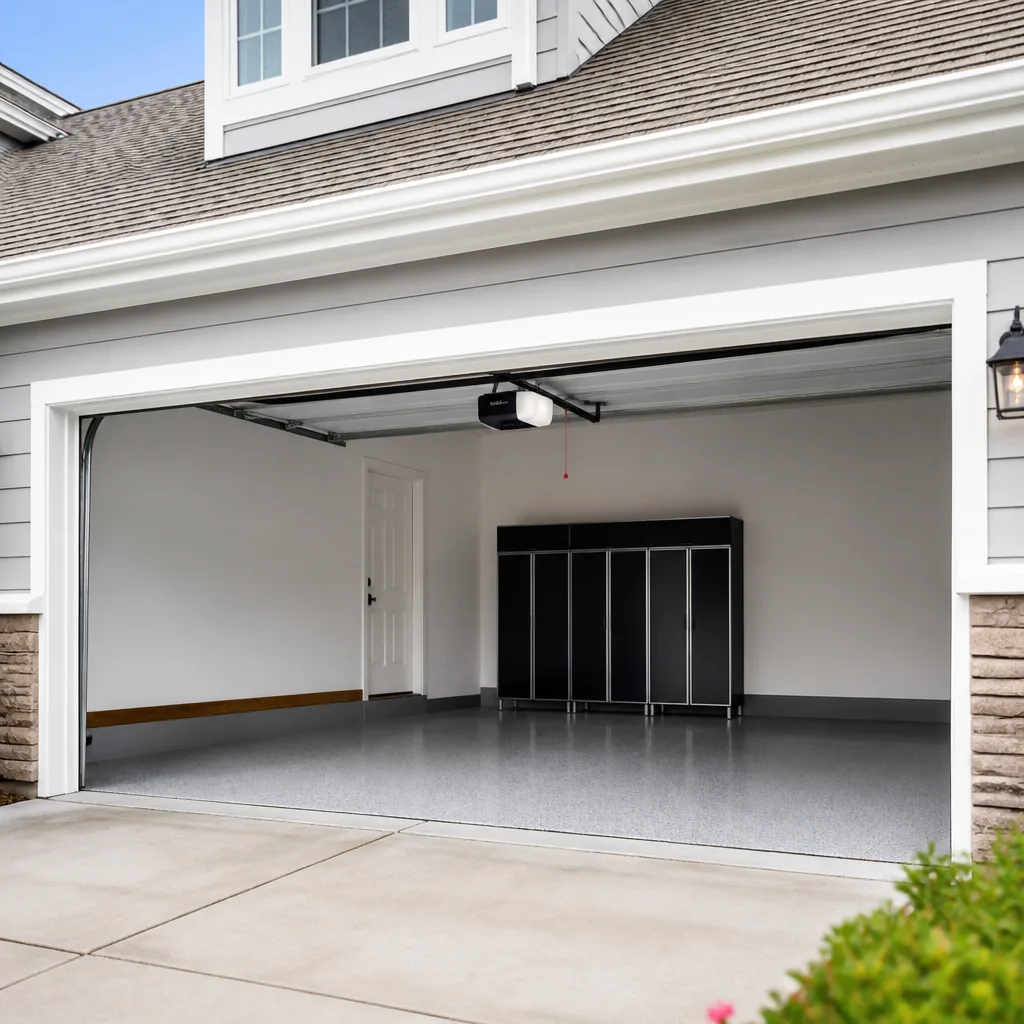 Chamberlain openers
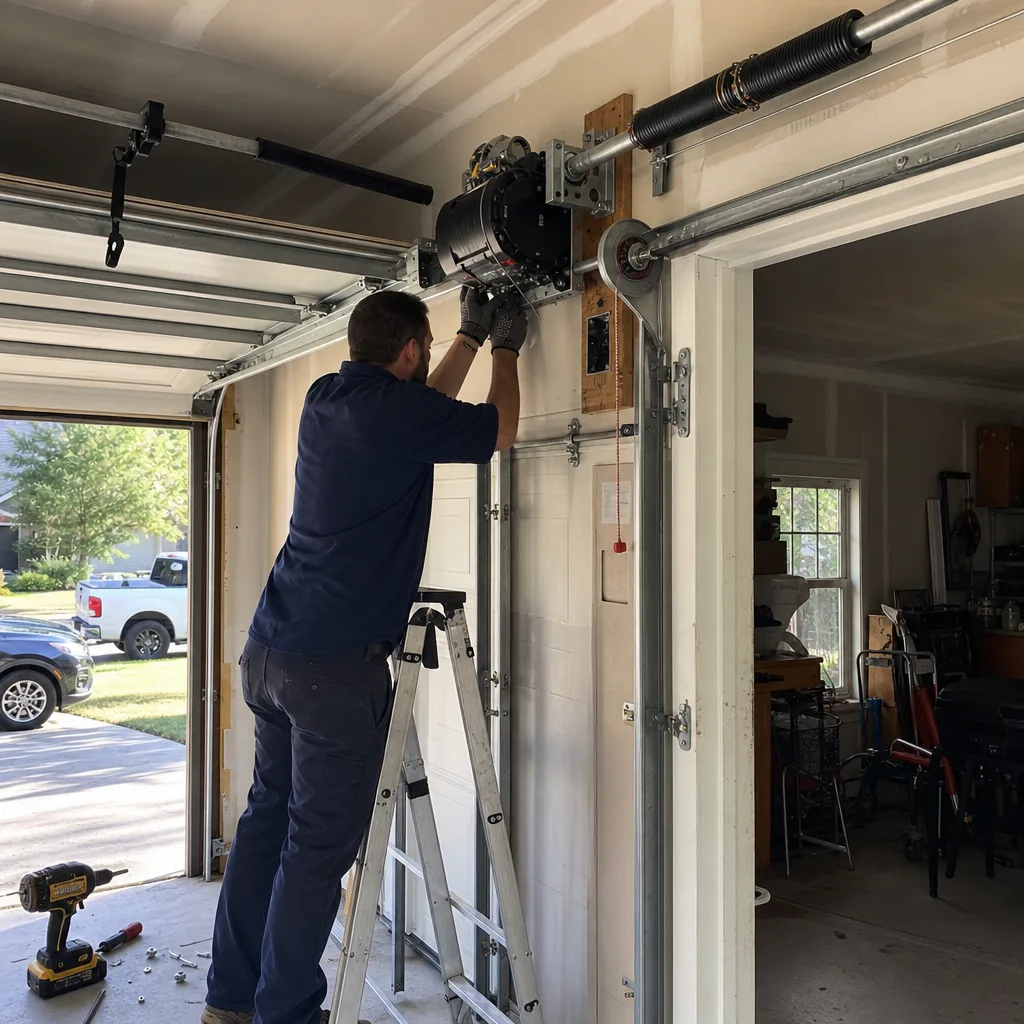
Full 25-point door and opener safety check with every visit - springs, cables, rollers, tracks, and your LiftMaster or Chamberlain opener included
You get a price before we start. It does not change when the pro arrives.
Get your free estimateHow to Hire a Garage Door Contractor in Suffolk: A Step-by-Step Guide
Most homeowners start their search for a garage door contractor only after something breaks, which is exactly when they’re least equipped to tell a technician from a salesperson. Here’s the counterintuitive part: the license check most people skip takes two minutes, and the five questions that separate a repair-first contractor from a replacement-first one take another ten. This guide walks you through both, plus how to read an estimate line by line, what a warranty should actually say, and where the Suffolk market tends to trip people up. By the end, you’ll know exactly what to ask before anyone pulls into your driveway.
Quick Answer
To hire a garage door contractor in Suffolk, verify the business is licensed as a home improvement contractor through the Virginia Department of Professional and Occupational Regulation (DPOR), ask whether they diagnose and repair your existing door and opener or only install new ones, and insist on a written, itemized estimate before work starts. The best contractor for your situation is the one who can fix the door you already have, not the one who arrives with a catalog. Call (888) 404-3987 for a free estimate, we answer 24/7.
Styles & brands we work with
- Raised-panel steel
- Carriage house
- Modern flush
- Full-view glass
- LiftMaster openers
- Chamberlain openers
Table of Contents
- What Licensing Does a Garage Door Contractor Need in Virginia?
- How to Verify a Contractor in Under Two Minutes
- Five Questions That Reveal a Repair-First Contractor
- How to Read a Garage Door Estimate Line by Line
- Why a Manufacturer-Authorized Dealer Isn’t Always the Right Call
- What a Written Warranty Should Actually Say
- What’s Different About Hiring in Suffolk
- Red Flags to Watch For Before You Sign
What Licensing Does a Garage Door Contractor Need in Virginia?
Garage door installation and repair falls under Virginia’s home improvement contractor rules, which means the business should hold a valid contractor license issued through the Department of Professional and Occupational Regulation. Virginia classifies contractor licenses by the dollar value of work they’re allowed to take on, so a company licensed for small jobs may not be licensed for a full door replacement. That distinction matters in Suffolk, where a new two-car door can land in a higher license class than a spring swap.
The practical takeaway: ask for the license number, then confirm it yourself. A contractor who hesitates, gives you a vague answer, or says licensing “isn’t required for garage doors” is telling you something important. Virginia does require it for this type of work, and legitimate contractors know their own license number without checking.
What about insurance and bonding?
Licensing and insurance are two separate checks. You want to see proof that the business carries both general liability insurance and workers’ compensation coverage. Liability protects your home if something gets damaged during the job. Workers’ comp protects you if a technician is injured on your property. Ask for a certificate of insurance and confirm it’s current.
A contractor who is licensed, insured, and bonded has cleared the basic bar. If any of those three is missing, stop there. No estimate is worth the exposure. Our technicians are licensed and insured, and we’re glad to point you to the verification steps below so you can confirm it independently.
How to Verify a Contractor in Under Two Minutes
Virginia’s DPOR maintains a free public license lookup, and verifying a Suffolk garage door contractor takes less time than making coffee. Here are the steps:
- Get the license number in writing. Ask for it before the estimate, not after. It should appear on the written quote.
- Search the DPOR license lookup. Enter the number or the business name and check the status. You’re looking for “current” or “active.”
- Check the license class. Confirm the class covers the dollar value of your project. A full replacement sits higher than a repair.
- Match the business name. The name on the license should match the name on your estimate and the name on the truck. Mismatches are a warning sign.
- Ask for the certificate of insurance. Call the number on the certificate to confirm it’s active if you want to be thorough.
- Confirm the address of record. A legitimate business has a verifiable address on file with DPOR.
Two minutes and six steps. That’s the entire barrier between you and a contractor who can’t be held accountable. Do this for every bid you’re seriously considering, including ours. A contractor who gets defensive about verification is a contractor you don’t want on your property.
For a closer look at what our team actually handles once the hiring question is settled, you can read more about Thrive Garage Door Repair.
Five Questions That Reveal a Repair-First Contractor
This is the section that saves homeowners the most money and the most frustration. A single-brand dealer sells doors. A repair specialist fixes the one you own. The difference comes out in how they answer these five questions.
1. “Can you repair my existing opener, or do you only install new ones?”
A repair-first contractor will ask what brand and model you have before answering. LiftMaster, Chamberlain, Genie, and Craftsman systems are all serviceable, and the right answer starts with “we work on those.” If the response is “we’d recommend replacing it,” push back and ask why a repair isn’t possible. Sometimes replacement is the honest answer. But it should be a conclusion, not a default.
2. “Which brands do you service?”
The answer tells you whether they’re brand-locked. We’re certified to work on eight of the most widely installed brands in North America, including LiftMaster, Chamberlain, Genie, Clopay, Amarr, Wayne Dalton, Craftsman, and Raynor. A contractor fluent in only one brand will steer you toward that brand’s replacement parts and, often, a replacement door. Brand-agnostic expertise means honest options.
3. “What’s included in the estimate, and what’s itemized?”
This one gets covered in detail in the next section, but the short version: a real estimate itemizes parts, labor, and disposal. A quote that says “spring replacement: $X” without breaking down the spring, the labor, and the haul-away is hiding something.
4. “Do you diagnose the whole door system or just the symptom I called about?”
A failing spring stresses the cables, the tracks, and the opener. A contractor who only swaps the spring and leaves is fixing the symptom. You want one who walks the full system: panels and hardware, opener motor and controls, springs, cables, and tracks.
5. “What does your written warranty cover, and for how long?”
Verbal warranties evaporate. You want parts and labor spelled out in writing, with clear durations and clear exclusions. More on this in the warranty section below. If the answer is “we stand behind our work,” ask for the document.
If the contractor answers all five cleanly, you’re likely dealing with someone who wants to fix what you have rather than sell you a new door. For the specific issues a repair-first crew typically handles, see garage door repair.
How to Read a Garage Door Estimate Line by Line
Virginia doesn’t mandate a specific estimate format, so the responsibility for reading it carefully falls on you. A fair garage door estimate in Suffolk breaks the same way most trade estimates do: materials, labor, and disposal, itemized separately. Here’s what to look for.
What should be itemized
- Parts by name and quantity. “Two torsion springs, matched pair, rated for the door weight” is a proper line item. “Springs and hardware” is not.
- Labor as a separate line. Labor should reflect the scope of work. A spring swap and a full door install are very different labor scopes and should price accordingly.
- Disposal or haul-away. If the old door or hardware is being removed, that cost should appear. If it’s missing, ask who’s taking the old materials.
- Permit or code fees, if any apply. Suffolk’s building department can tell you whether your specific job needs a permit. Ask the contractor to confirm in writing.
- Opener and accessory costs separately. If an opener, remote, or smart control is part of the job, it should be its own line.
What a fair labor rate looks like in Suffolk
Labor for garage door work varies by task, door type, and access. A spring replacement is a small labor scope. A full door replacement is larger, involves two or more people, and includes removal, alignment, and opener re-calibration. Rather than quote a dollar-per-hour figure, a legitimate estimate prices the job, and you can compare job pricing across two or three written estimates to see if a bid is in line with the market. If one bid is dramatically lower than the others, ask what’s excluded.
Red-flag line items to watch for
- “Miscellaneous parts” or “shop supplies” without explanation
- A lump sum with no breakdown at all
- Installation priced without the door model and size named
- “Labor included” with no labor line, so you can’t verify scope
- Prices that change the moment you ask for itemization
One more thing worth stating plainly: the price is quoted and agreed before any work starts. If someone quotes you a number and then hands you a higher invoice after the job, that’s not a communication gap. That’s a business practice. Get it in writing before they start. When you work with us, the written estimate sets the final price. For opener-specific pricing and diagnosis, see garage door opener repair.
Why a Manufacturer-Authorized Dealer Isn’t Always the Right Call
Manufacturer-authorized dealers get their status by committing to a brand’s product line, and that’s fine as long as your door is in warranty. Once it’s out of warranty, the incentives shift. A dealer whose business depends on Clopay or Amarr sales has a reason to recommend replacement over repair, even when repair would serve you better. It’s not necessarily dishonest. It’s just structured that way.
That’s why brand-agnostic repair specialists exist. A contractor who services LiftMaster, Chamberlain, Genie, and Craftsman openers alongside Clopay, Amarr, Wayne Dalton, and Raynor doors has no product line to protect. They can compare brands side by side and tell you which repair makes sense. If replacement is genuinely the answer, they’ll say so, and they’ll help you pick a door based on your home, not a catalog quota.
When a dealer is the right call
There are legitimate times to go to an authorized dealer: a warranty claim on a door still under coverage, a very specific model you’ve already researched, or a manufacturer recall. Outside those cases, your best bet is a shop that works on multiple brands and has no reason to push one over the others.
Our position is simple: we work on what you already have. If it can be fixed right, we fix it. If it can’t, we’ll tell you and quote a replacement. For a closer look at our Suffolk service, you can read more about local coverage and the specific jobs we handle.
What a Written Warranty Should Actually Say
A warranty is a document, not a promise. If it isn’t in writing with specific durations and clear coverage, it doesn’t exist in any way that will help you. Here’s what a solid written warranty on garage door work should include.
What should be spelled out
- Parts coverage with a duration. “Springs warranted for X years, opener motor for Y years” is clear. “Parts warranted” is not.
- Labor coverage with a duration. Labor warranties are usually shorter than parts warranties, and that’s normal, but the term should be stated.
- What’s excluded. Wear items, damage from misuse, and damage from other trades should be listed. A warranty that doesn’t exclude anything is suspicious.
- The claims process. Who to call, and what proof of purchase or service you need.
- Transferability, if any. Whether the warranty carries if you sell the home matters in Suffolk, where homes change hands often.
Warranty language to avoid signing
- “Warranty void if the door is serviced by any other provider.” Read that twice. It can lock you into one company forever.
- Vague durability language: “warranted against defects” with no defined term or remedy.
- Any clause requiring binding arbitration on warranty disputes without your right to decline.
- Language that treats a scheduled follow-up visit as a new chargeable service.
Ask for the warranty language before the work begins. A contractor confident in their parts and labor will hand it over without a fuss.
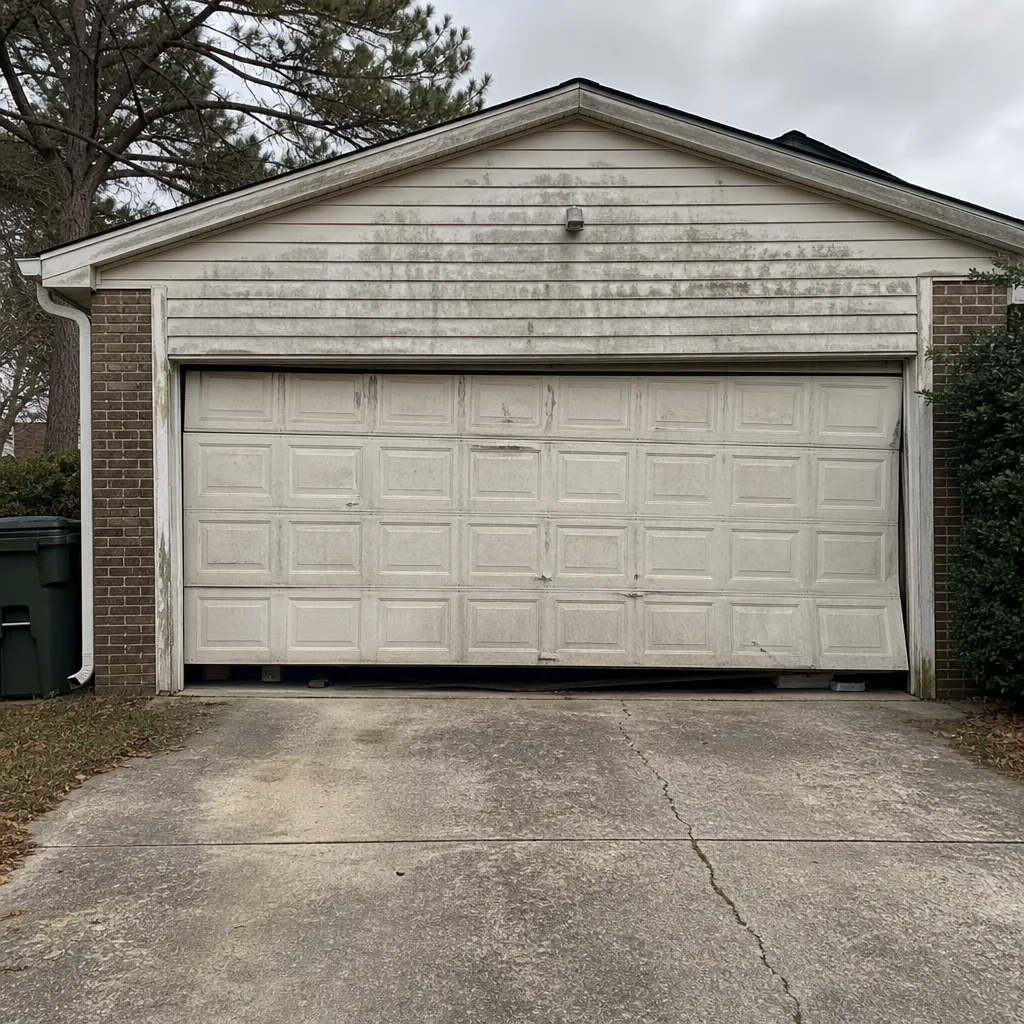
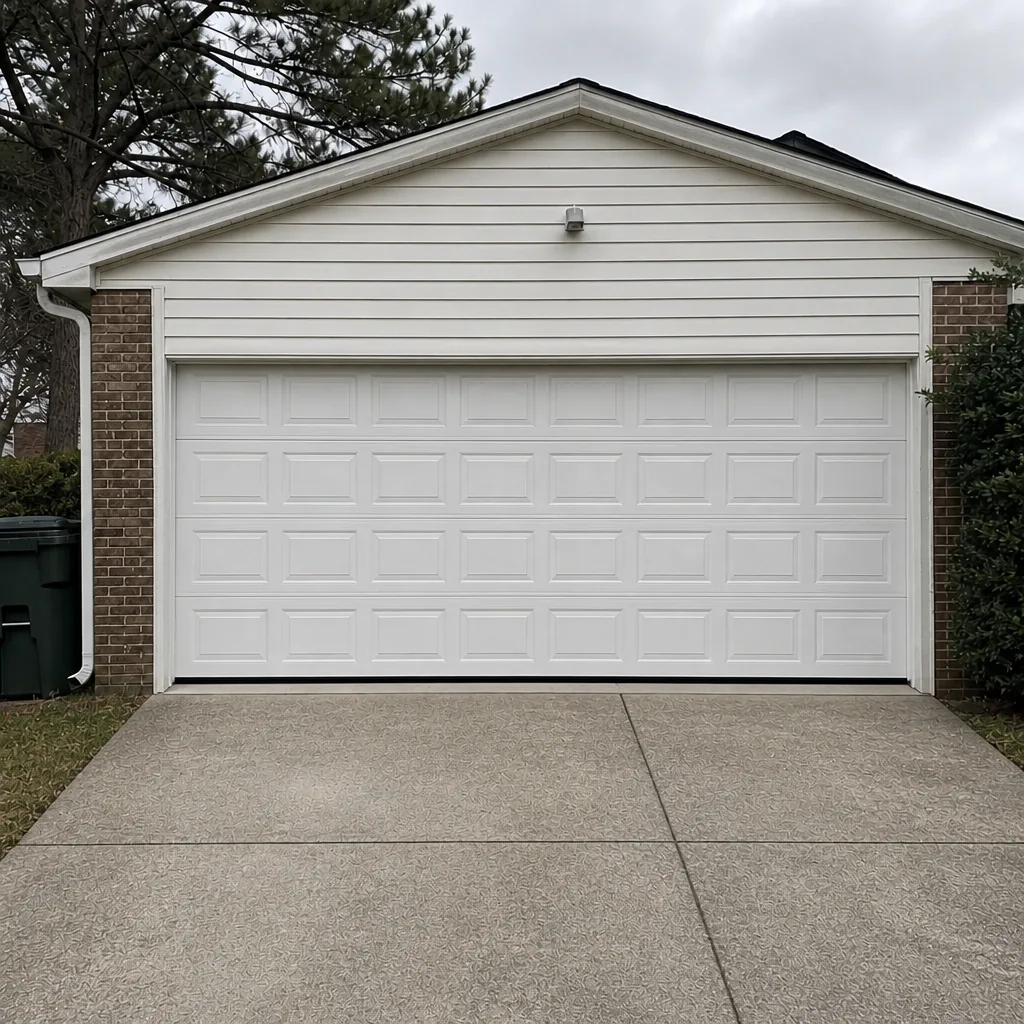
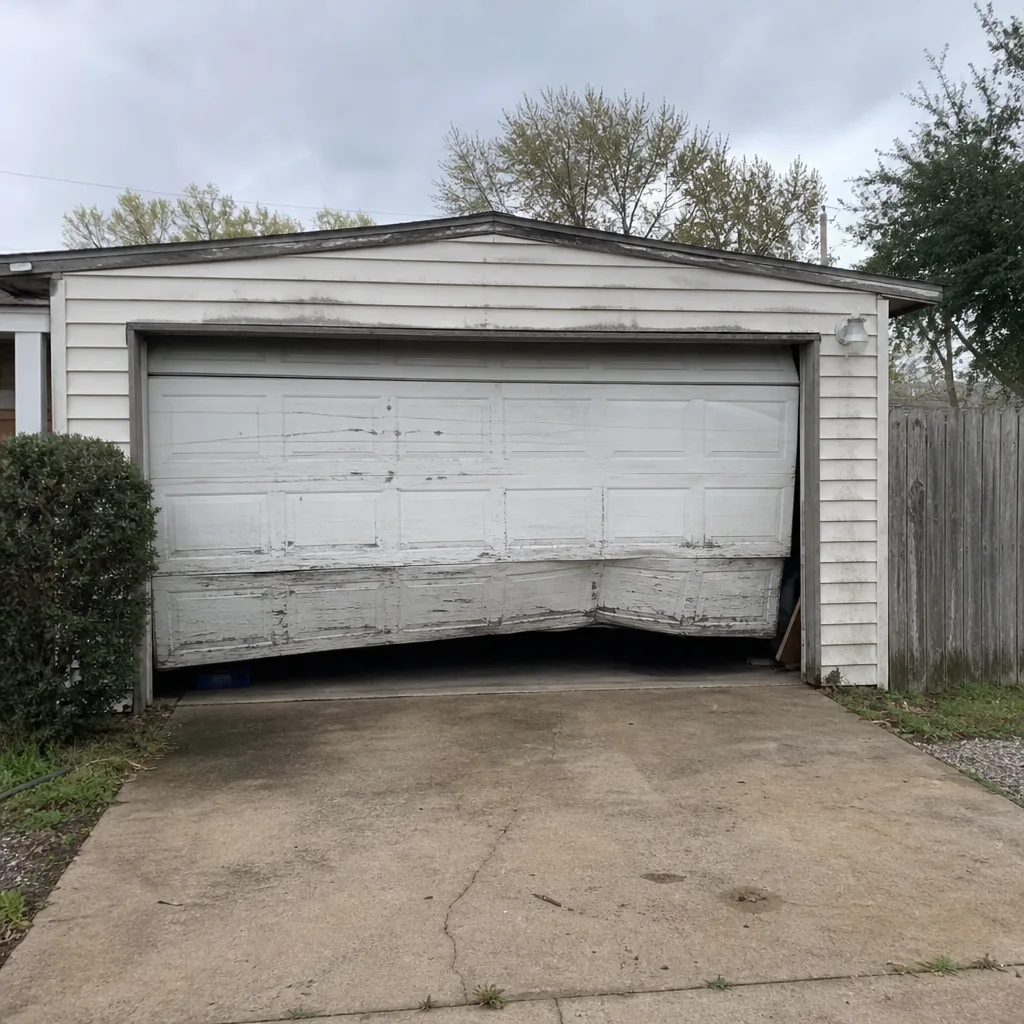
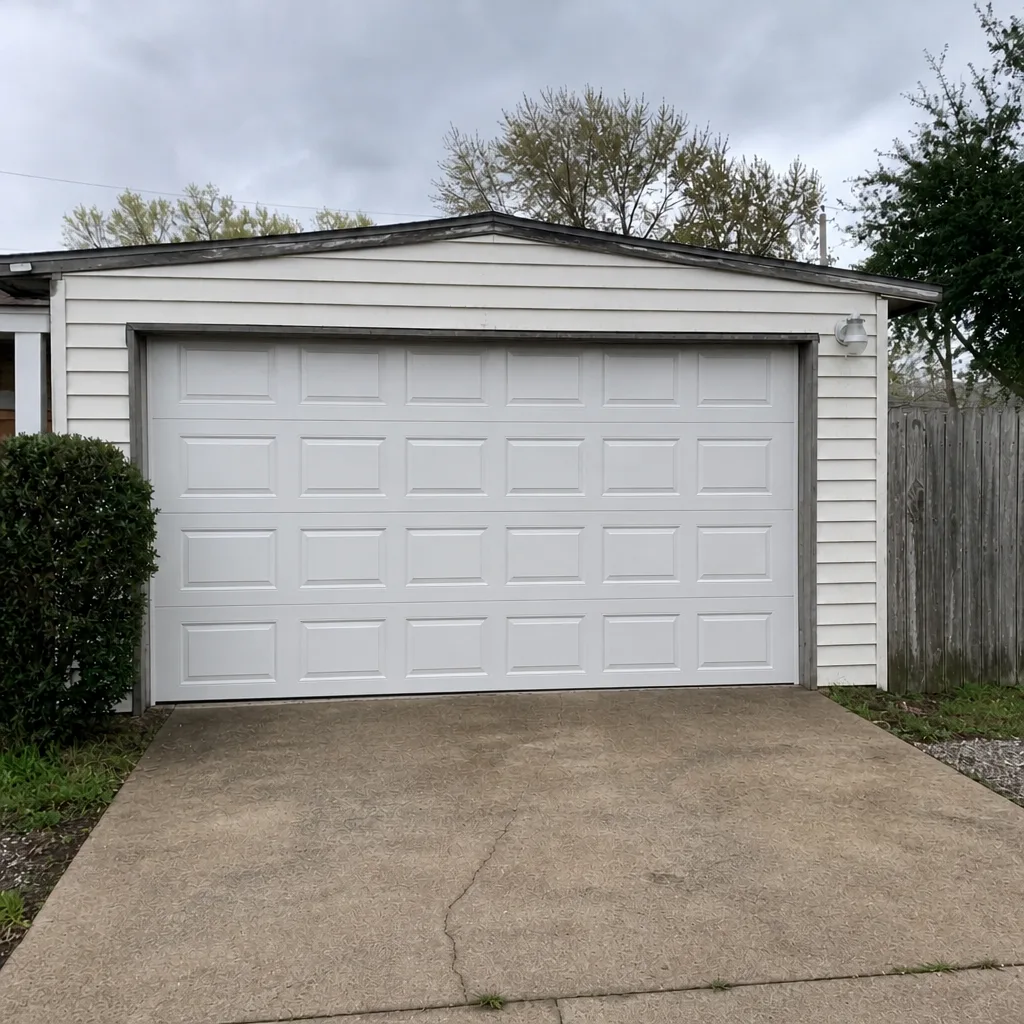
See the difference
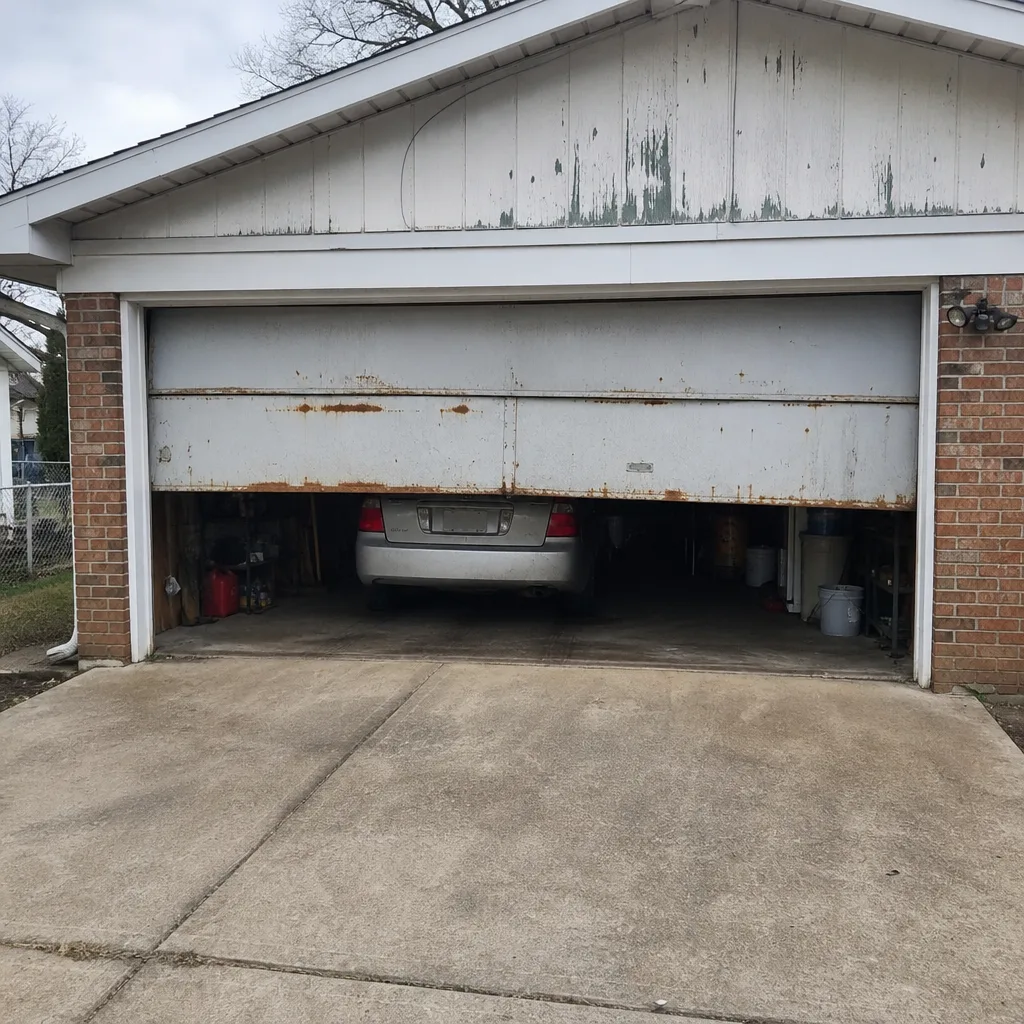 Before
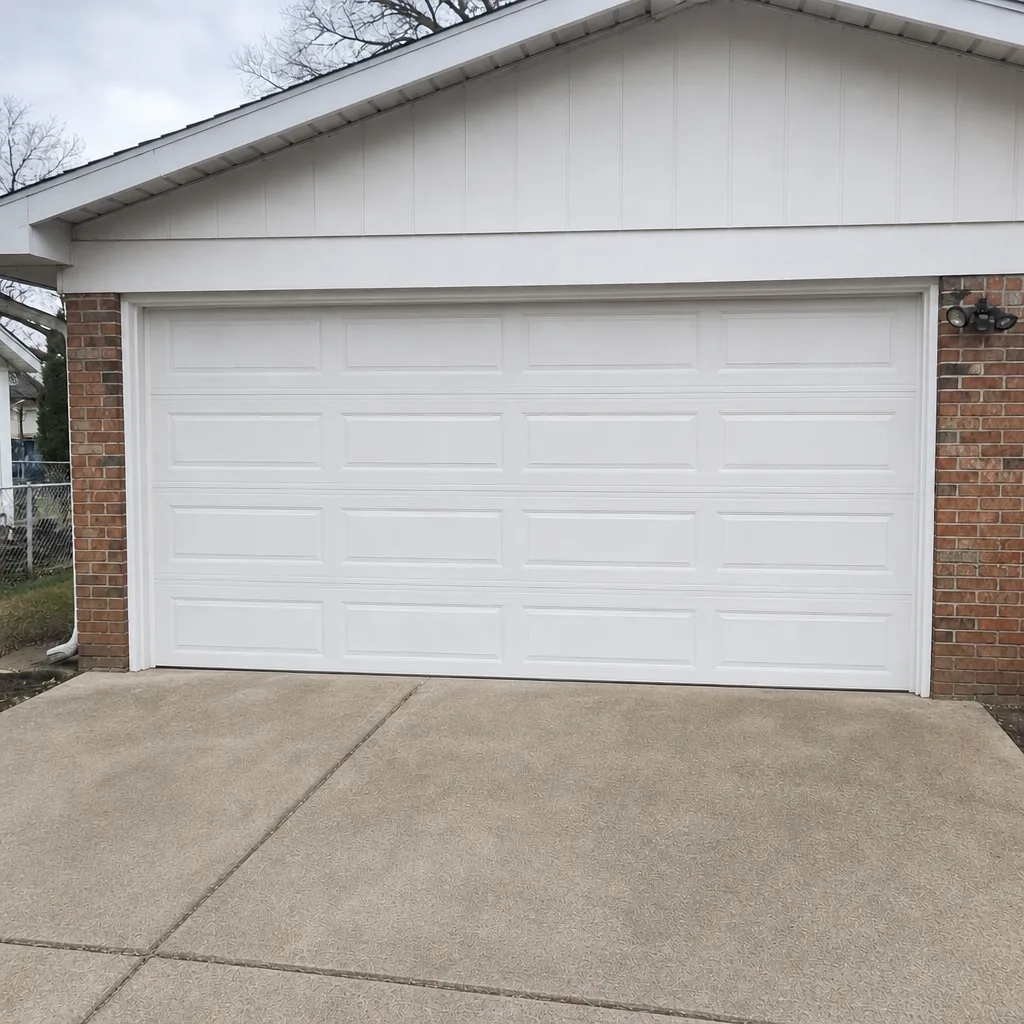 After
 Before
 After
 Before
 After
What’s Different About Hiring in Suffolk
Suffolk stretches from older, established neighborhoods to newer construction on the outer edges, and the housing stock affects what breaks and how. Homes built within the last decade or two often have newer doors and openers that are still serviceable, which makes a repair-first contractor the right call. Older homes may have legacy openers, mismatched hardware, or doors that have been repaired piecemeal over the years. Those need a contractor comfortable with legacy systems, not just new installs.
Climate matters too. Suffolk’s humid summers and occasional freeze-thaw cycles put stress on springs, cables, and door hardware. Steel doors and wood-composite panels behave differently in that cycle, and a contractor who knows the local climate will factor that in when recommending repairs or replacements.
Neighborhood reality check
Suffolk’s mix of older downtown properties, established suburban neighborhoods, and newer developments means you’ll see a wide range of door styles and vintages. A Clopay door from a recent build and a 20-year-old Wayne Dalton on an older home need different repair approaches. Ask any contractor you’re considering what brands and eras they work on most often.
Scheduling reality check
Garage door work in Suffolk is measured and scheduled rather than same-day for installation. A new door has to be measured, ordered, and scheduled for install once it arrives. Repair work is faster, and same-day service is often available for a stuck door, broken spring, or opener failure. Ask any contractor to be clear about which category your job falls into. For a full view of our Suffolk area coverage, Thrive Garage Door Repair lays out our service lines.
Red Flags to Watch For Before You Sign
Most bad contracting experiences share the same warning signs. Watch for these before you sign anything:
- Pressure to replace a door that’s still serviceable. If a contractor recommends a full replacement on a door that’s a few years old and has no visible structural damage, get a second opinion. Doors can fail early for specific reasons, but “replace it” shouldn’t be the first answer.
- No written estimate before work starts. Virginia doesn’t require a written contract for every job, but a reputable contractor provides one. If someone wants to start without a document, decline.
- Cash-only and no paper trail. A legitimate business issues an invoice and takes payment with a record. Cash-only is a red flag.
- No verifiable license or insurance. See the licensing section above. Confirm the number yourself.
- A warranty they won’t put in writing. “We always stand behind our work” isn’t a warranty. Ask for the document.
- They won’t name the parts brand. If they can’t or won’t tell you what spring, cable, or opener model they’re installing, you can’t evaluate the quote.
- Price changes when you ask for details. A quote that shifts when you ask for itemization was never a real quote.
Common Mistakes to Avoid
- Hiring on price alone. The cheapest quote in Suffolk often excludes parts, disposal, or labor, and the invoice arrives higher than the bid. Compare itemized estimates, not headline numbers.
- Skipping the DPOR check. Two minutes on the state lookup tells you whether the business is licensed for the work and for the dollar value of your job. Most homeowners never do it.
- Letting a single-brand dealer set the scope. If the contractor only installs one brand, they’ll steer the conversation toward that brand and, often, toward replacement. Get an opinion from someone who works on multiple brands before committing to a new door.
- Not asking about the whole door system. A spring failure stresses cables, tracks, and the opener. A contractor who only fixes the symptom leaves you with the next failure scheduled.
- Accepting a verbal warranty. If it isn’t in writing with explicit durations, it won’t help you if something fails in a year. Ask for the document before work begins.
- Assuming the opener is the problem when the door is. A door that reverses or won’t close fully can be an opener issue, a sensor issue, or a spring issue. A proper diagnosis is the difference between the right repair and the wrong one.
- Forgetting to ask about haul-away. Old doors, panels, and hardware need disposal. If it isn’t in the estimate, you may be the one hauling it.
When to Call a Professional
Some garage door problems are worth a call even when they don’t feel urgent. A door that reverses before closing, a spring that looks stretched or has visible gaps, an opener that runs but doesn’t lift the door, or a door that’s become noticeably heavier to lift by hand are all signs the system needs a trained look. Springs, cables, and torsion hardware under tension are genuinely dangerous to handle without training, and we strongly recommend against DIY work on those components. A trained technician can diagnose the issue safely and quote a repair. Thrive Garage Door Repair offers free estimates in Suffolk – call (888) 404-3987. We answer 24/7. Fast dispatch from 7am to 7pm, Sunday through Friday.
Frequently Asked Questions
Garage door repair in Suffolk is priced per job based on the parts and labor required, and the written estimate you receive before work begins is the final price. A spring replacement, opener repair, and track or cable work all price differently because the scope differs. The best way to get an accurate number is a free on-site estimate. Call (888) 404-3987 – estimates are free.
Yes. Garage door installation and repair fall under Virginia’s home improvement contractor rules, which means the business should hold a valid contractor license through the Department of Professional and Occupational Regulation. You can verify a contractor’s license status on the DPOR website in under two minutes using the license number on their estimate. Every bid you’re seriously considering should pass that check before you sign.
Not automatically. A door that’s a few years old and has no structural panel damage is usually repairable, and the honest answer often depends on what the diagnosing technician stands to gain from a replacement. Get a second opinion from a contractor who works on multiple brands, including Clopay, Amarr, Wayne Dalton, and Raynor, before committing to a full replacement. A brand-agnostic shop has no reason to push one outcome over the other.
Manufacturer-authorized dealers are useful for warranty claims on a door still under coverage, but for out-of-warranty repairs they have an incentive to recommend replacement. A contractor fluent in multiple brands, including LiftMaster, Chamberlain, Genie, and Craftsman openers, can diagnose and repair your existing system without steering you toward a new door. Ask any dealer whether they can repair your current door before discussing replacement.
The price should be quoted and agreed before any work starts, and when you work with us the written estimate sets the final price. If a technician arrives and quotes a higher number than the written estimate without your approval, stop and request the itemized difference in writing. The written document is what protects you, which is why it should be in your hands before anyone picks up a tool.
Repair work is often available same-day for a door that won’t close or a spring failure, and scheduling depends on the day’s demand. Installation is measured, ordered, and scheduled rather than same-day. Call (888) 404-3987 for the quickest answer on availability. We answer 24/7. Fast dispatch from 7am to 7pm, Sunday through Friday. A call outside dispatch hours is booked into the next opening.
The Bottom Line
Hiring a garage door contractor in Suffolk comes down to four things. Verify the license and insurance through DPOR. Ask the five questions that reveal whether a contractor is repair-first or replacement-first. Read the estimate line by line and confirm parts, labor, and disposal are itemized. Get the warranty in writing. Do those four things and you’ll avoid the most common mistake homeowners make, which is discovering after the invoice arrives that the person who diagnosed the problem had a reason to recommend the most expensive outcome. Our technicians have up to 8 years of experience. Fixed right, not just fixed for now. Call (888) 404-3987 for a free estimate.
Written by the team at Thrive Garage Door Repair.