
Last updated November 15, 2026
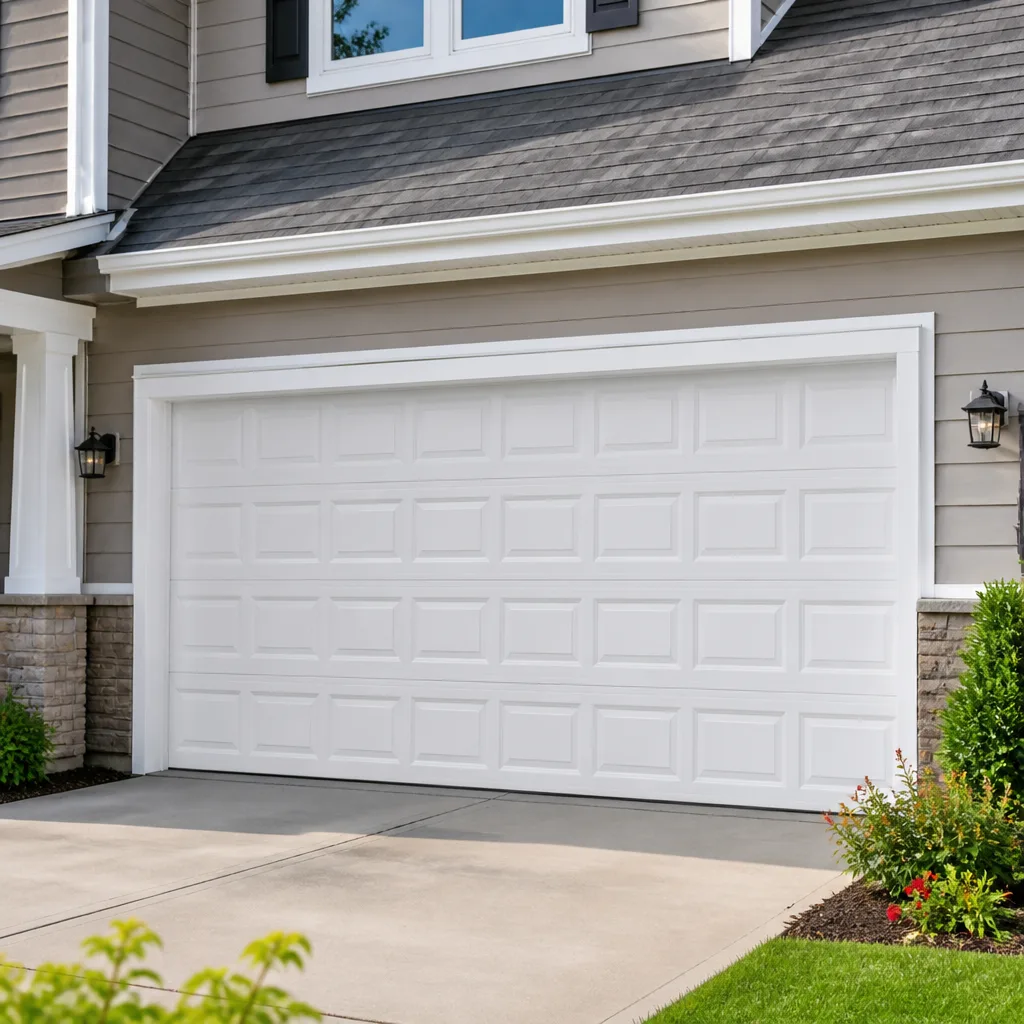 Raised-panel steel
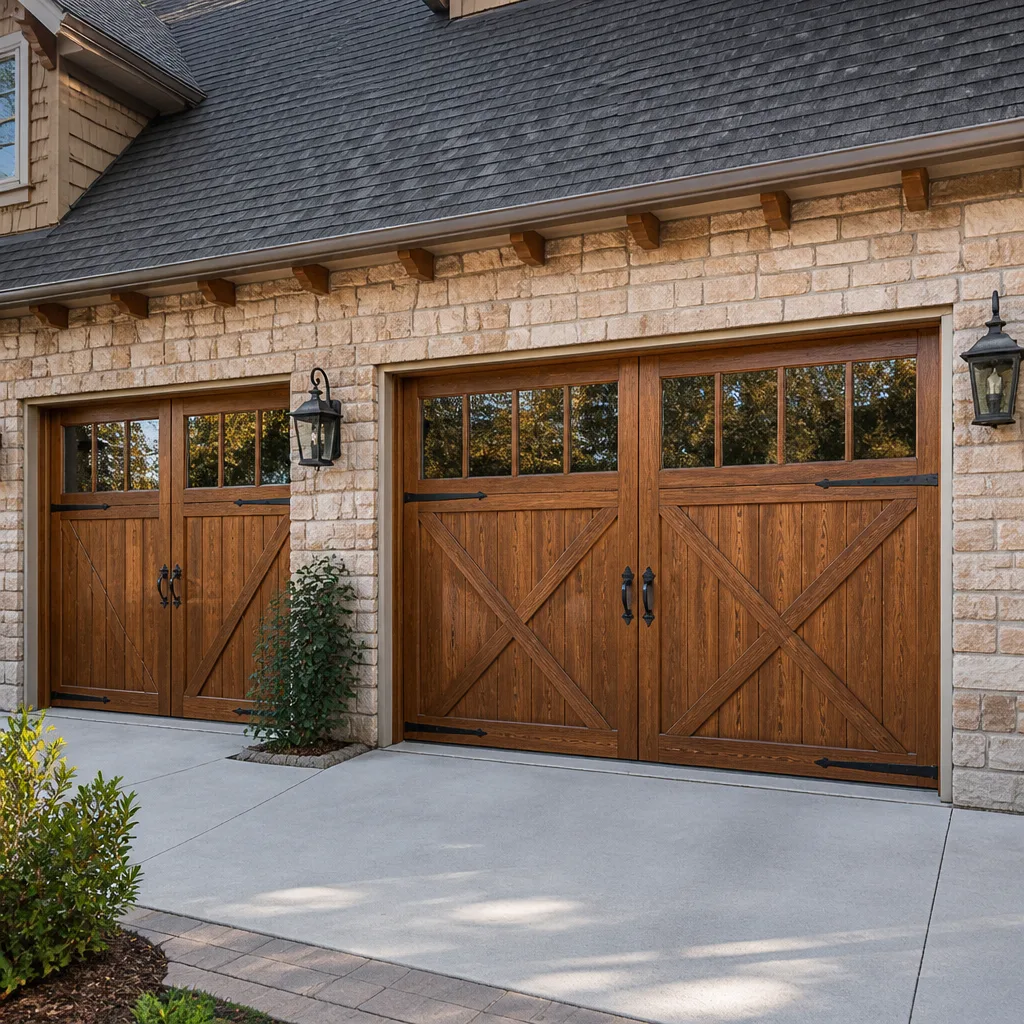 Carriage house
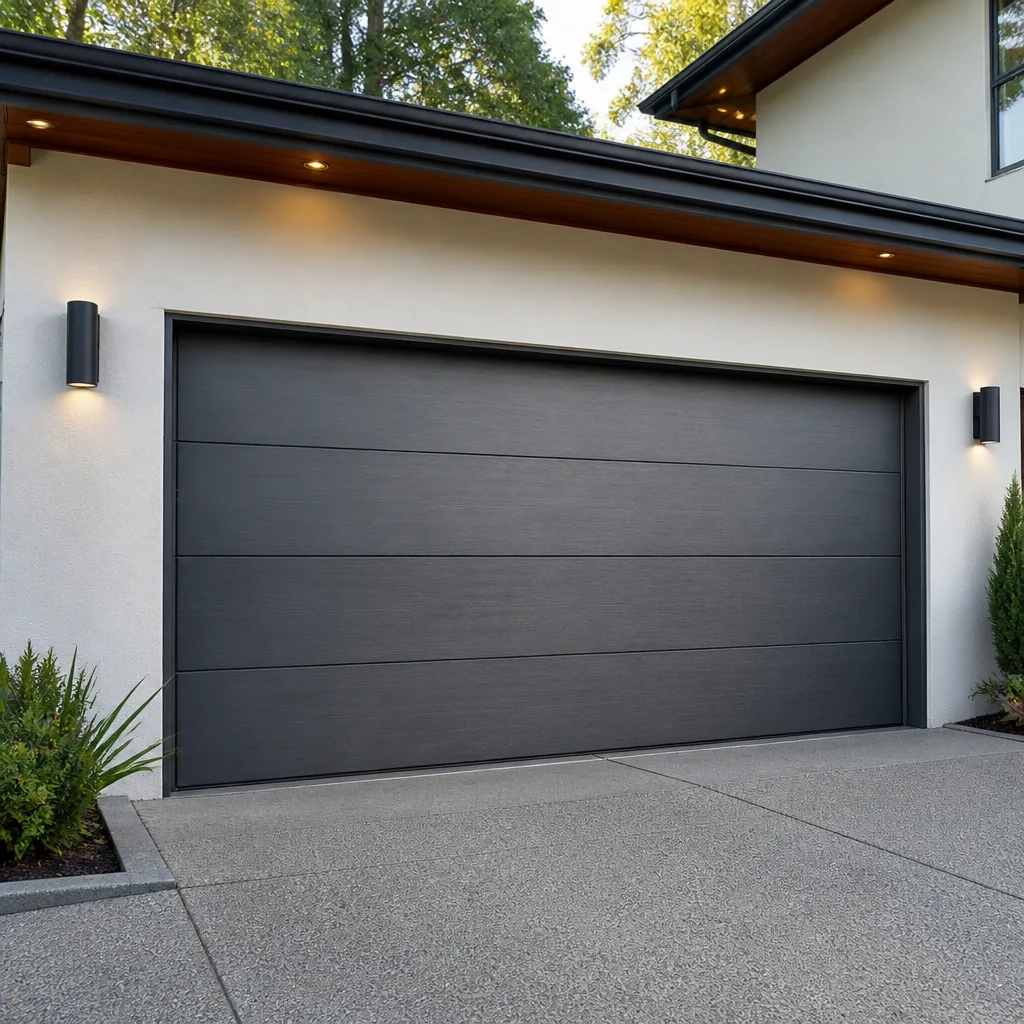 Modern flush
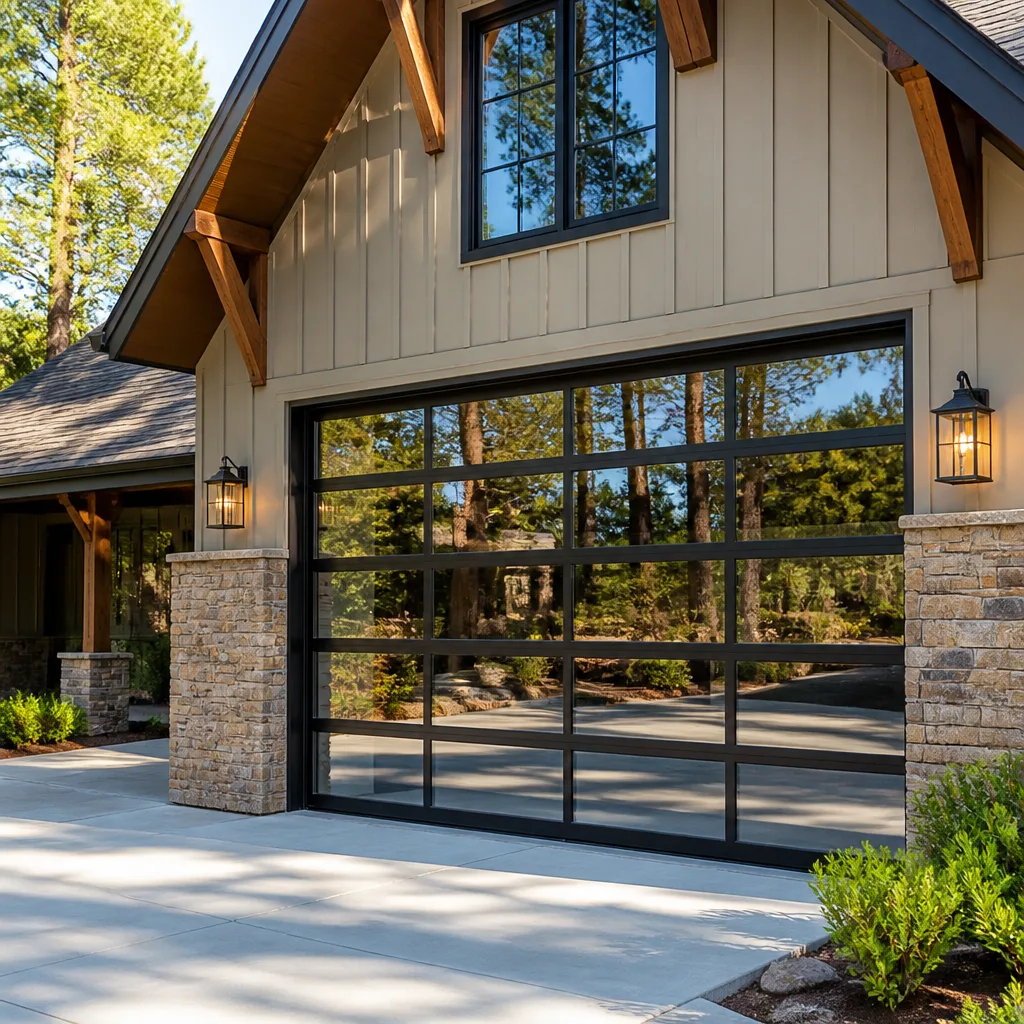 Full-view glass
 LiftMaster openers
 Chamberlain openers
Full 25-point door and opener safety check with every visit - springs, cables, rollers, tracks, and your LiftMaster or Chamberlain opener included
You get a price before we start. It does not change when the pro arrives.
Get your free estimateSeasonal Garage Door Care for Suffolk: Year-Round Homeowner’s Guide
Most garage door advice you’ll find online was written for a place with four tidy seasons. Suffolk doesn’t work that way. What we actually get is a long, sticky summer that wears on seals, wood panels and lubricant; a short, sharp winter cold enough to bind tracks and stall photo-eye sensors; and two narrow shoulder seasons in spring and fall that are the only honest windows for lubrication and alignment work. Skip those windows and the next nor’easter pushing water across your garage floor is when you find out. This guide lays out a Suffolk-specific seasonal calendar: what to inspect and service in each stretch of the year, why our humidity and our cold each create their own failure patterns, and how a simple maintenance log can make future service calls faster and less expensive.
Styles & brands we work with
- Raised-panel steel
- Carriage house
- Modern flush
- Full-view glass
- LiftMaster openers
- Chamberlain openers
Quick Answer
Spring and fall are the highest-value months for professional garage door service in Suffolk, because that’s when you can lubricate, align and adjust a system before summer humidity and winter cold stress it. Summer care centers on seals, wood and steel panels, lubricant breakdown, and photo-eye sensors that misfire in direct afternoon sun. Winter care centers on spring tension loss, track freeze, and knowing how to use the manual release safely. Monthly visual checks and a stored maintenance log fill the gaps between professional tune-ups.
Table of Contents
- Why Suffolk’s Seasons Aren’t Equal
- The Suffolk Seasonal Garage Door Calendar
- Spring: The First High-Value Service Window
- Summer: Humidity, Heat and Misfiring Sensors
- Fall: The Second High-Value Service Window
- Winter: Springs, Frozen Tracks and the Manual Release
- Keeping a Maintenance Log That Saves You Money
- The Five-Minute Monthly Check
- Common Mistakes to Avoid
- When to Call a Professional
- Frequently Asked Questions
- The Bottom Line
Why Suffolk’s Seasons Aren’t Equal
A lot of seasonal maintenance advice assumes each season gets about three months of attention. In Suffolk, the calendar is lopsided. Summer runs long and humid, and that humidity is the single biggest driver of wear we see on the door systems across the city. It swells wood panels, feeds corrosion on steel hardware and weatherstripping, and pushes lubricant to thin out and migrate off the parts that need it. Winter is shorter but not gentle: hard freezes are common enough that a door that ran smoothly in November can bind on a frosted track in January.
Spring and fall carry the real maintenance weight. They’re mild, humidity is moderate, and the door is neither swollen nor frozen, which makes them the only reliable times to do alignment and lubrication work that actually holds. A tune-up done in July fights the weather. A tune-up done in April or October works with it.
Two more local factors shape the schedule. Our afternoon sun is strong enough to throw photo-eye sensors out of alignment or confuse them with glare, especially on west-facing doors in neighborhoods like Harbour View and Bennetts Creek. And our storms are water events more than wind events, which puts real pressure on the bottom seal and the threshold. Both problems are far cheaper to catch in a shoulder season than to fix after a storm.
That’s the argument for treating this as a calendar, not a checklist you run whenever you remember. The timing is the strategy.
The Suffolk Seasonal Garage Door Calendar
Here’s the year at a glance. Treat each entry as a target window, not a hard deadline.
- March and April (spring window): Full professional tune-up. Lubricate all moving parts, check spring balance, align tracks, inspect rollers and hinges, test the safety reverse and photo-eye system. This is the best time of year for adjustment work because the door isn’t swollen or frozen.
- May through September (summer watch): Monthly visual checks. Watch seals for cracking, wood panels for swelling at the bottom rail, and hardware for corrosion. Expect lubricant to thin and need a reapplication mid-season. Adjust or shade sensors that misfire in afternoon sun.
- October (fall window): Second full professional tune-up. Re-lubricate with a cold-weather-appropriate product, tighten hardware that loosened over summer, inspect and replace a failing bottom seal before the wet season, and test the manual release. This is the check most homeowners skip, and it’s the one that prevents the nor’easter surprise.
- November through February (winter watch): Monthly checks plus attention after any hard freeze. Watch for track binding, sluggish opener operation, and spring tension that feels different in cold weather.
Why the two professional windows rather than four? Because the work you do in spring and fall is the work that lasts. Lubricant applied in a humid July thins and runs off within weeks. A track aligned in a freezing January can shift again when the metal warms. Booking your tune-up in March or October means the adjustment stays put through the season that follows.
If your door is already showing a problem, don’t wait for the window. That’s what garage door repair is for, and it’s worth calling when something sounds or feels wrong rather than at the next scheduled tune-up. The calendar is for prevention; a repair is for what prevention didn’t catch.
Spring: The First High-Value Service Window
Spring in Suffolk is your best shot at getting the door into condition before the humidity arrives. The metal isn’t expanded, the wood isn’t swollen, and lubricant applied now will still be where you put it when the season turns.
What a spring service visit should cover, in order:
- Balance test. Disconnect the opener and lift the door halfway by hand. It should stay put. If it drops or rises, the springs are carrying the wrong tension, and that’s a sign they’re wearing.
- Lubrication. Hinges, rollers, the torsion bar bearings and the opener rail all get a proper garage door lubricant. Not household oil, not grease, and never the springs themselves.
- Track alignment. Tracks get bumped and drift over a winter. A misaligned track wears rollers and strains the opener.
- Hardware check. Bolts, brackets and hinges loosen over time. Tightening them now prevents a rattle that becomes a failure.
- Safety reverse and photo-eye test. Both should be tested every tune-up, and both should be corrected if they fail.
- Seal inspection. The bottom seal takes the most punishment from water. Catching a hairline crack in spring is a cheap fix; catching it in October after a wet summer is often a replacement.
If your door is a wood-panel model, spring is also the right time to check the bottom rail for swelling and to seal any exposed wood before the humid months. For steel doors, look at the hardware and hinges for early corrosion. If you’re running an opener from LiftMaster, Chamberlain, Genie, Craftsman or another major brand, spring is a good time to test the safety features and clear any debris from the rail and the sensor lenses.
Summer: Humidity, Heat and Misfiring Sensors
Summer is when Suffolk’s climate does the most quiet damage. Three specific things happen to a garage door in a long humid summer, and each has a different response.
Wood and steel panels. Wood panels absorb moisture and swell, particularly at the bottom rail where water sits. Swelling throws the door out of square and can cause binding. Steel panels don’t swell, but humid air accelerates corrosion on hinges, rollers, and any spot where the finish has been nicked. Wipe down hardware and touch up any bare metal before it spreads.
Lubricant breakdown. Heat thins lubricant, and humidity pulls it off metal surfaces. A door that was well-lubricated in April can be dry and noisy by August. Mid-summer reapplication on hinges, rollers and the opener rail is a reasonable do-it-yourself task. Don’t overdo it, and don’t spray the springs or the tracks.
Photo-eye sensors in direct sun. This is the summer problem homeowners call about most. The photo-eye safety system uses an invisible beam across the door opening. In direct afternoon sun, glare can confuse the receiver and cause the door to reverse or refuse to close. If your door works in the morning and fails in the afternoon, sun glare is the likely cause. A small shade over the receiving eye, or a slight adjustment to the angle, usually solves it. If the sensor has failed outright, that’s an opener repair issue and worth a call.
Also worth knowing: high heat can affect the opener’s motor and control board over time, and a system that’s straining because of a dry track or a worn roller will run hotter. Keeping the mechanical side in shape protects the electronics.
Fall: The Second High-Value Service Window
October is the check most Suffolk homeowners skip, and it’s the one that pays off the most. Fall is your last chance to get the door ready before cold and wet weather arrive, and it’s the right time to fix what summer wore down.
What a fall service visit should cover:
- Re-lubricate with a cold-weather-appropriate product. Lubricant that worked in July can stiffen in January. Fall is the time to apply a product that stays effective in cold.
- Inspect and replace the bottom seal. After a humid summer, the seal has taken its worst beating. A cracked or compressed seal lets water and cold air in all winter.
- Tighten everything. A summer of vibration and thermal cycling loosens bolts and brackets. Fall is when to catch it.
- Test the manual release. This is the single most important fall task, and almost nobody does it. More on that below.
- Check spring balance again. If the door has been getting heavier through the summer, fall is when you’ll notice it.
- Test the safety reverse and photo-eyes. Cold weather can reveal a sensor that was marginal in the heat.
Fall is also the right time to look at the weatherstripping around the door frame, not just the bottom seal. Gaps at the sides let in cold air and, more importantly, let in water during the storms that define our late fall and winter. A door that seals properly in October is a door that keeps the garage dry through February.
If you’re on the fence about whether your door needs this level of attention, think of it as an early-warning system. The Thrive Garage Door Repair team would rather catch a worn roller in October than replace a stripped gear in January.
Winter: Springs, Frozen Tracks and the Manual Release
Winter in Suffolk is short but cold enough to cause real problems. Three things deserve your attention.
Spring tension loss. Garage door springs are steel under constant tension, and cold steel behaves differently than warm steel. In freezing temperatures, springs lose some of their effective lift, which puts more load on the opener and makes the door feel heavier. If your door struggles on the coldest mornings but works fine later, cold-related tension loss is likely the cause. Don’t adjust the springs yourself. Torsion springs are under extreme tension, and the cables that run alongside them can release violently if handled wrong. This is a trained-professional job, always.
Frozen tracks. Moisture can collect in the track and freeze, especially at the bottom where the door meets the threshold. The temptation is to force the door or chip the ice out. Don’t. Forcing a door against a frozen track can bend the track or damage the opener. Clear ice carefully with a plastic scraper, never a metal tool, and check that the bottom seal isn’t frozen to the floor before opening. If the track is repeatedly freezing, the underlying issue is usually water getting in, which points back to the seal and weatherstripping.
The manual release. Every opener has a manual release cord that disconnects the door from the opener so you can lift it by hand. Know where it is before you need it, usually hanging from the carriage on the rail. Test it in fall while the weather is mild. When you re-engage it, the door needs to be positioned so the carriage and the door align. If you’ve never done it, practice once in good weather so a cold-morning surprise isn’t your first time.
If your opener is a Craftsman, Genie, LiftMaster or Chamberlain unit, the manual release works the same way, but the carriage location varies. It’s worth knowing your model before winter. If a door is failing in cold weather, book a service call rather than forcing it. Cold-weather service is best scheduled in advance, through garage door opener repair if the opener is involved.
Keeping a Maintenance Log That Saves You Money
A maintenance log sounds like paperwork. In practice, it’s the single cheapest thing you can do to make future service calls faster and less expensive. When a technician arrives and you can hand over a record of when the door was last serviced, what was done, and what you’ve noticed since, the diagnosis starts from a known point instead of from scratch.
What to log:
- Date and type of service. Tune-up, repair, opener service, installation, whatever it was.
- What was done. Lubricated, adjusted, replaced a roller, replaced a seal, and so on.
- Brand and model. Note the door brand and the opener brand and model number. Knowing you have a Wayne Dalton door and a LiftMaster opener, for example, tells the technician what they’re walking into before they arrive.
- Any noise or behavior changes. A note like “door got noisier in August” or “opener hesitated on the coldest morning” is diagnostic gold.
- What you replaced and when. Springs, rollers, seals and openers all have a service life. Knowing when something was last replaced helps you plan instead of react.
Keep it simple. A note on your phone, a sheet of paper taped inside the garage, or a labeled folder all work. The format matters less than the habit. A door with a log is a door whose history is known, and that shortens every service visit that follows. We know the common systems from LiftMaster, Chamberlain, Genie, Clopay, Amarr, Wayne Dalton, Craftsman and Raynor, so a log that names your brand helps us help you faster. Our technicians have up to 8 years of experience working across these systems.
If you’ve just moved into a house in Suffolk and don’t know the door’s history, start a log today. Note what you can see, and have a tune-up scheduled so you have a baseline to build from.
The Five-Minute Monthly Check
Between professional tune-ups, a short monthly routine covers most of what goes wrong before it becomes expensive. It takes about five minutes.
- Look and listen. Cycle the door once. Does it sound the same as last month? Grinding, squealing, popping or a door that shudders are all early warnings.
- Check the bottom seal. Look for cracks, tears, or a seal that’s no longer touching the floor. This is the first casualty of a humid summer.
- Test the safety reverse. Put a small object in the door’s path and confirm it reverses. Do this every month, not just at tune-ups.
- Wipe the photo-eye lenses. Dust, pollen and spider webs are common causes of sensor failure. A soft cloth takes care of it.
- Scan the hardware. Look for loose bolts, rusty hinges, or a track that’s visibly out of line.
- Update the log. Note anything you saw, even if it was nothing.
This routine won’t replace a professional tune-up, and it shouldn’t. But it’s the difference between catching a worn roller early and discovering it after the door has stopped working.
Common Mistakes to Avoid
- Skipping the October check. Fall is the check most Suffolk homeowners miss, and it’s the one that prevents the cold-morning failure and the wet-season water intrusion. The nor’easter finds the cracked bottom seal because nobody looked in October.
- Using household oil or grease on the door. Household oil attracts dirt and dries out. Grease traps grit in the tracks. Use a proper garage door lubricant on hinges and rollers, and keep it off the springs and tracks.
- Lubricating the tracks. Tracks are supposed to be clean and dry. Lubricant on the tracks causes the rollers to slide instead of roll, which wears them out faster.
- Adjusting the springs yourself. Torsion springs store enormous energy. Handling them without the right tools and training can cause serious injury. Leave every spring adjustment to a trained professional.
- Forcing a door against ice or a jam. If the door won’t move, don’t make it. Forcing it damages tracks, rollers and the opener. Clear ice carefully and call if the door is truly stuck.
- Ignoring a sensor that only fails in afternoon sun. If the door works in the morning and fails in the afternoon, the photo-eye is being fooled by glare. Shade or adjust it rather than living with it, because a marginal sensor becomes a failed one.
- Not knowing where the manual release is. Every opener has one. Finding out where yours is during a cold-morning failure is the worst possible time to learn.
When to Call a Professional
Some tasks are routine. Others are genuinely dangerous or require tools and training homeowners don’t have. Call a professional if the door won’t stay in place during a balance test (a sign of worn springs), if a spring or cable has visibly broken, if a track is bent or out of line, if the door binds on one side, if a photo-eye or safety reverse keeps failing after cleaning and adjustment, or if the opener grinds, hesitates, or stops mid-travel. Any spring or cable work, and any adjustment inside an electrical panel, needs a trained technician, because the energy stored in the springs and the voltage in the opener won’t forgive mistakes. Also call if you’ve noticed a problem and aren’t sure whether it’s urgent; a short conversation resolves that.
Thrive Garage Door Repair offers free estimates in Suffolk. Call (888) 404-3987 to schedule one. We answer 24/7, with fast dispatch from 7am to 7pm, Sunday through Friday.
Frequently Asked Questions
Twice a year is the right cadence for most Suffolk homes, ideally once in spring and once in fall. Those shoulder seasons are when lubrication and alignment work actually holds, because the door isn’t swollen with humidity or frozen in cold. Monthly visual checks and the five-minute routine above fill the gaps between visits.
It’s almost always photo-eye sun glare. The sensors use an invisible beam, and direct afternoon sun on the receiver can confuse it. The fix is usually to shade the receiving eye or adjust its angle. If the sensor still fails after that, call (888) 404-3987 for a look; estimates are free.
Yes. Cold steel loses some of its effective lift, so the door feels heavier and the opener works harder in freezing temperatures. That’s normal to a point. A door that struggles noticeably on cold mornings is telling you the springs are worn, and that’s a job for a technician, not a do-it-yourself fix.
You can lubricate the hinges, rollers, bearings and opener rail safely, using a proper garage door lubricant. Don’t lubricate the springs or the tracks. Springs are under dangerous tension and should only be handled by a trained professional, and tracks are meant to stay clean and dry.
Don’t force it. Forcing the door damages tracks, rollers and the opener. Clear ice carefully with a plastic scraper, check the bottom seal for damage, and if the door is repeatedly freezing, the underlying cause is water getting past the seal or weatherstripping. That’s a repair worth calling about.
Yes. Call (888) 404-3987 and we’ll schedule a free estimate. The written estimate sets the final price, and you agree to it before any work starts. We work on the major brands you likely already have, including Amarr, Wayne Dalton, Craftsman and Raynor systems.
The Bottom Line
Year-round garage door care in Suffolk works best as a calendar, not a whenever-you-remember task. The humid summer does the quiet damage, the cold winter does the visible damage, and the narrow spring and fall windows are the only reliable times to fix things before the next extreme season hits. Book a spring and a fall tune-up. Run the five-minute monthly check in between. Know where your manual release is before you need it. Keep a maintenance log, because it makes every service call faster and cheaper. And when a spring, cable or track is involved, call a professional rather than risk injury. That’s the routine that keeps a door in good shape through everything Suffolk’s year throws at it. If it’s time to book, this is the place to get started with Suffolk garage door service.
Call (888) 404-3987 for a free estimate. We answer 24/7, with fast dispatch from 7am to 7pm, Sunday through Friday. We’re closed Saturdays. A call outside dispatch hours is booked into the next opening, Sunday through Friday, 7am to 7pm.
Written by the team at Thrive Garage Door Repair.
See the difference
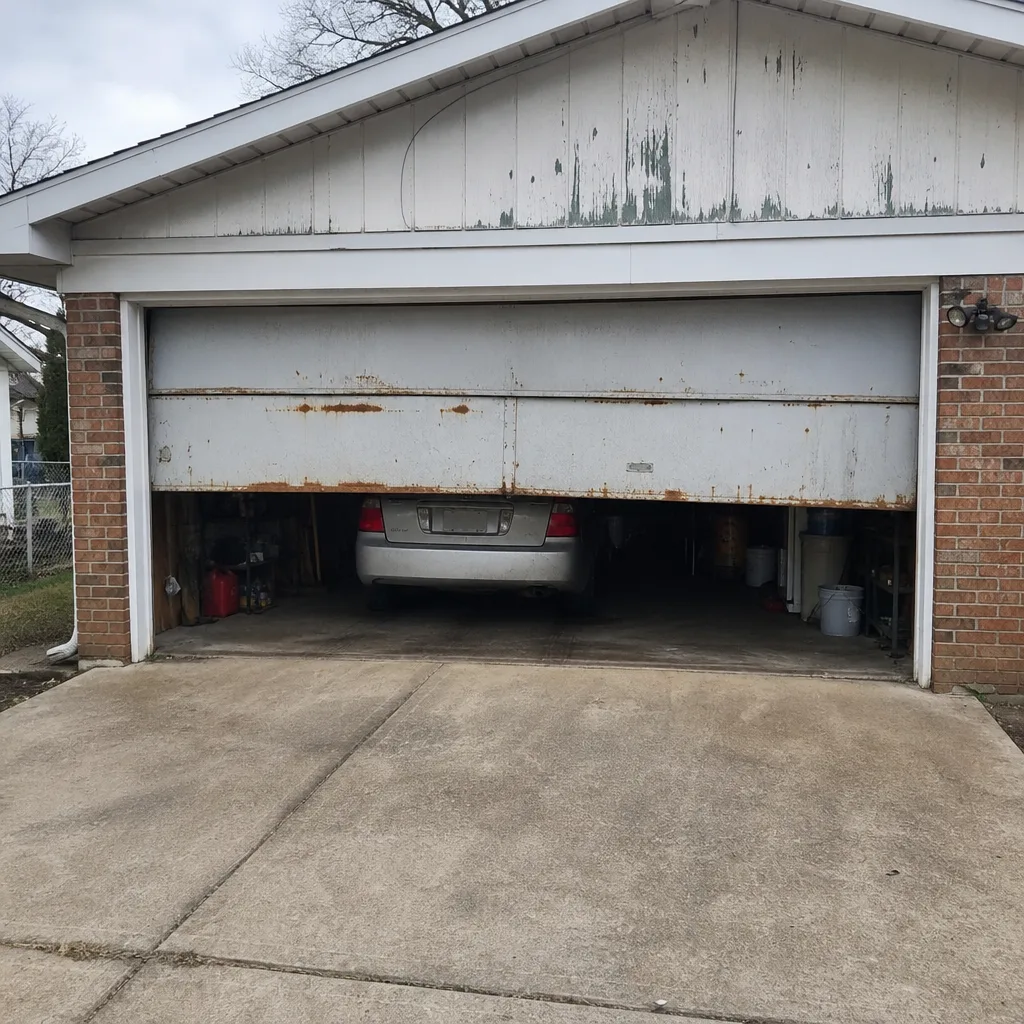 Before
 After
 Before
 After
 Before
 After