
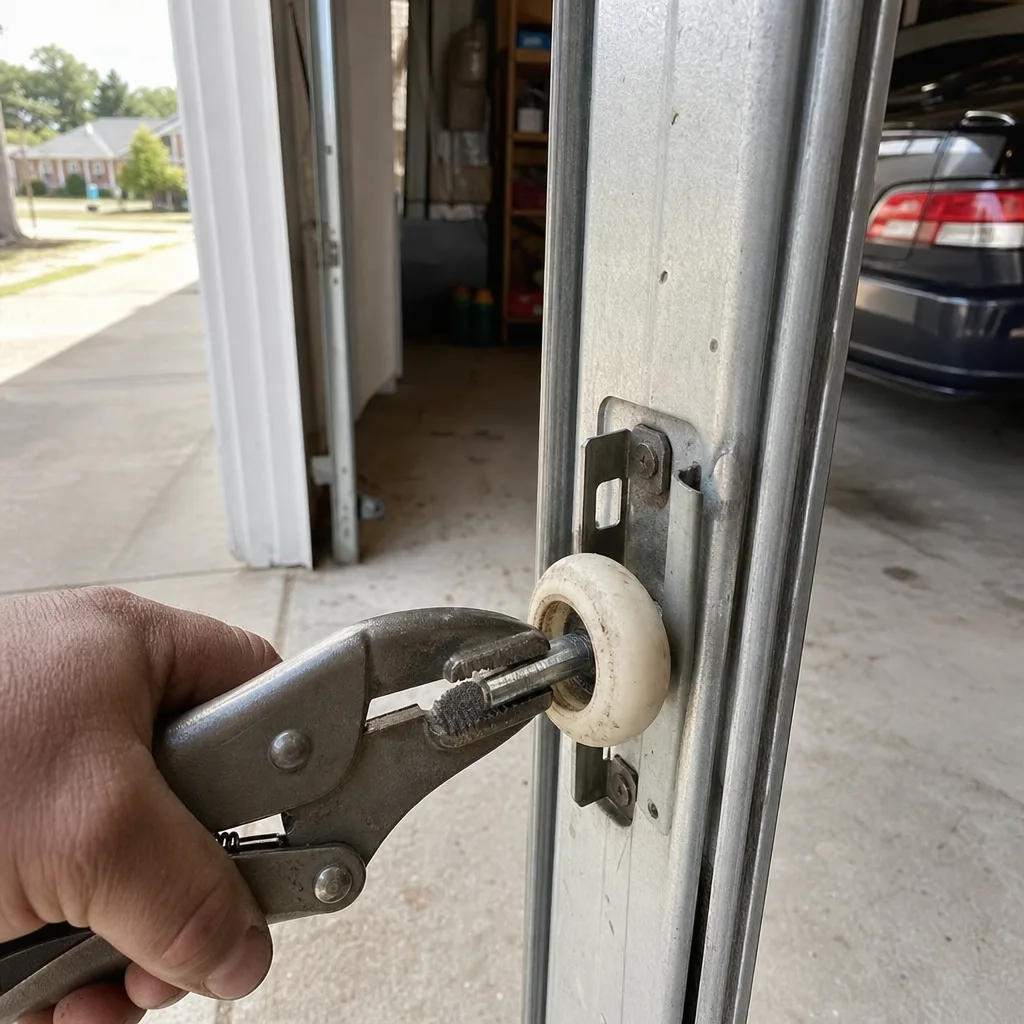
Last updated November 15, 2026
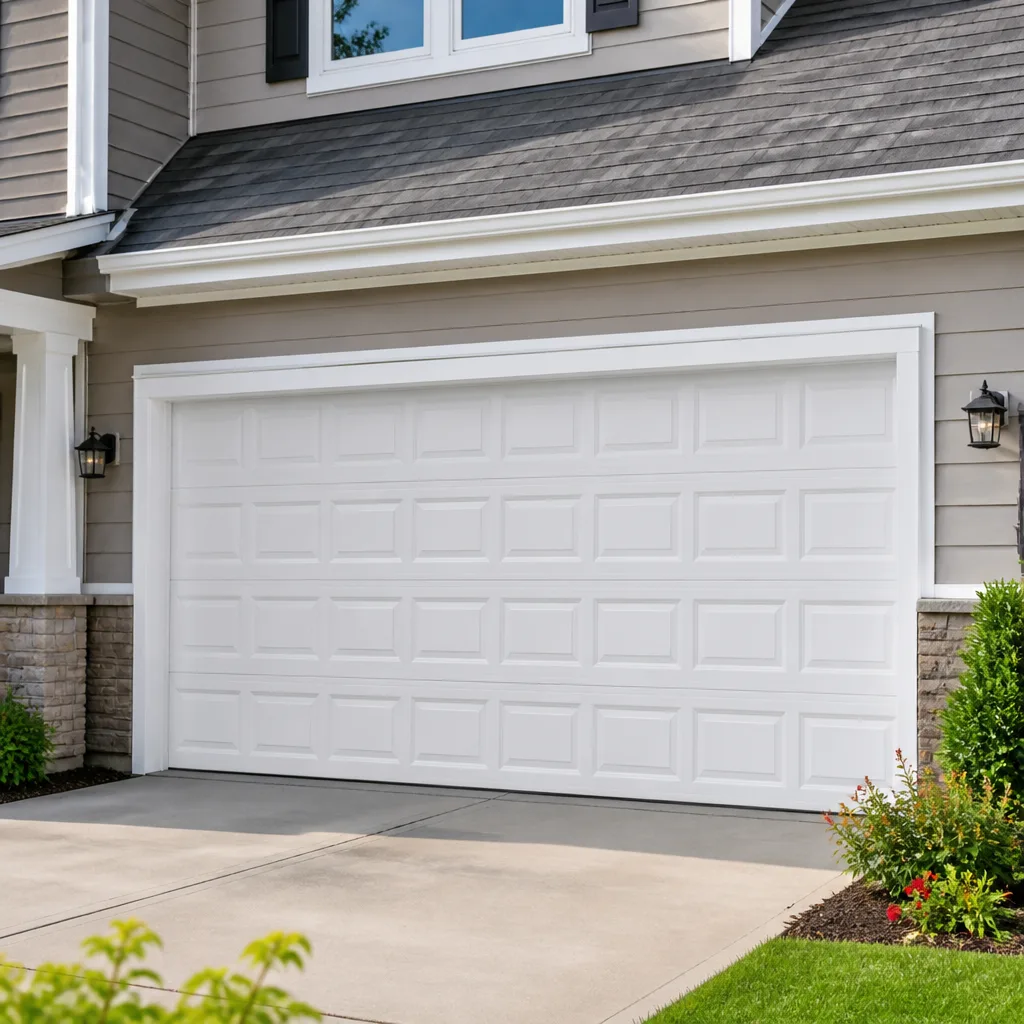 Raised-panel steel
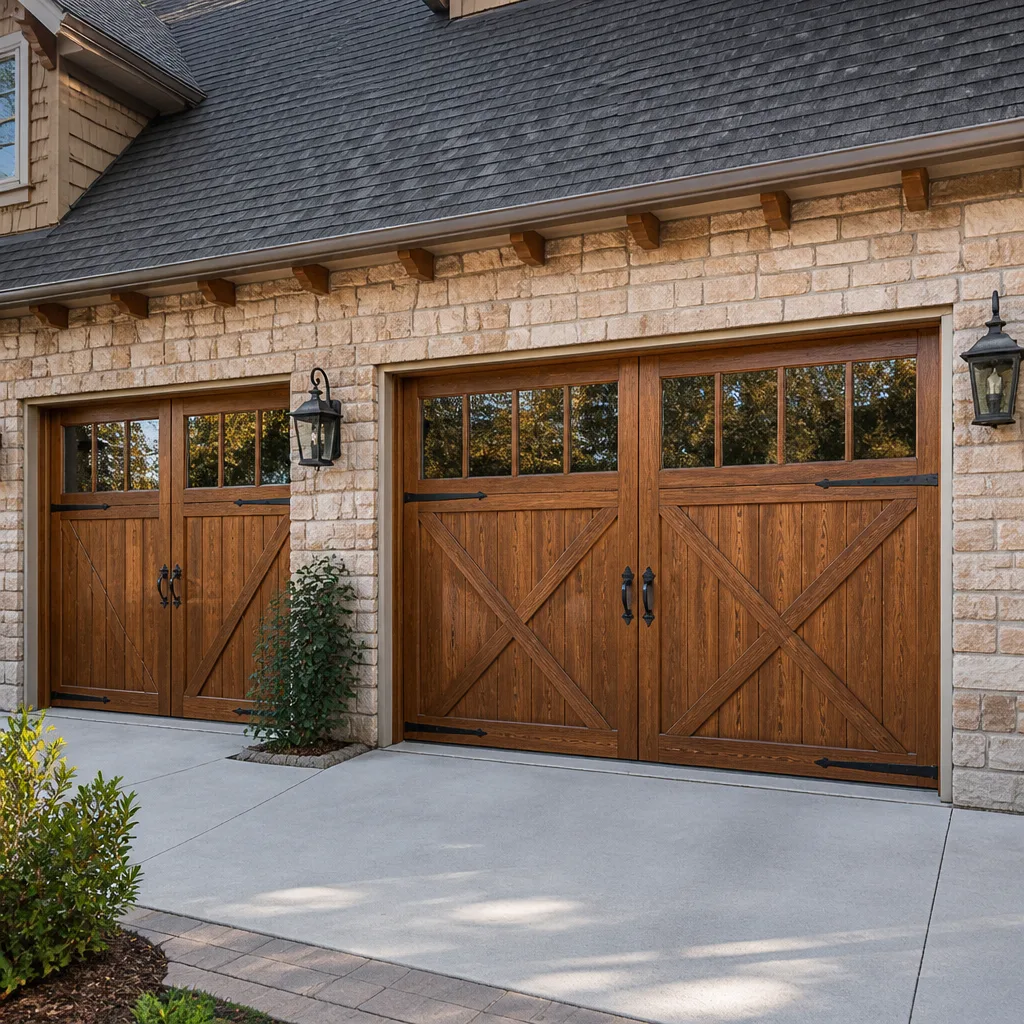 Carriage house
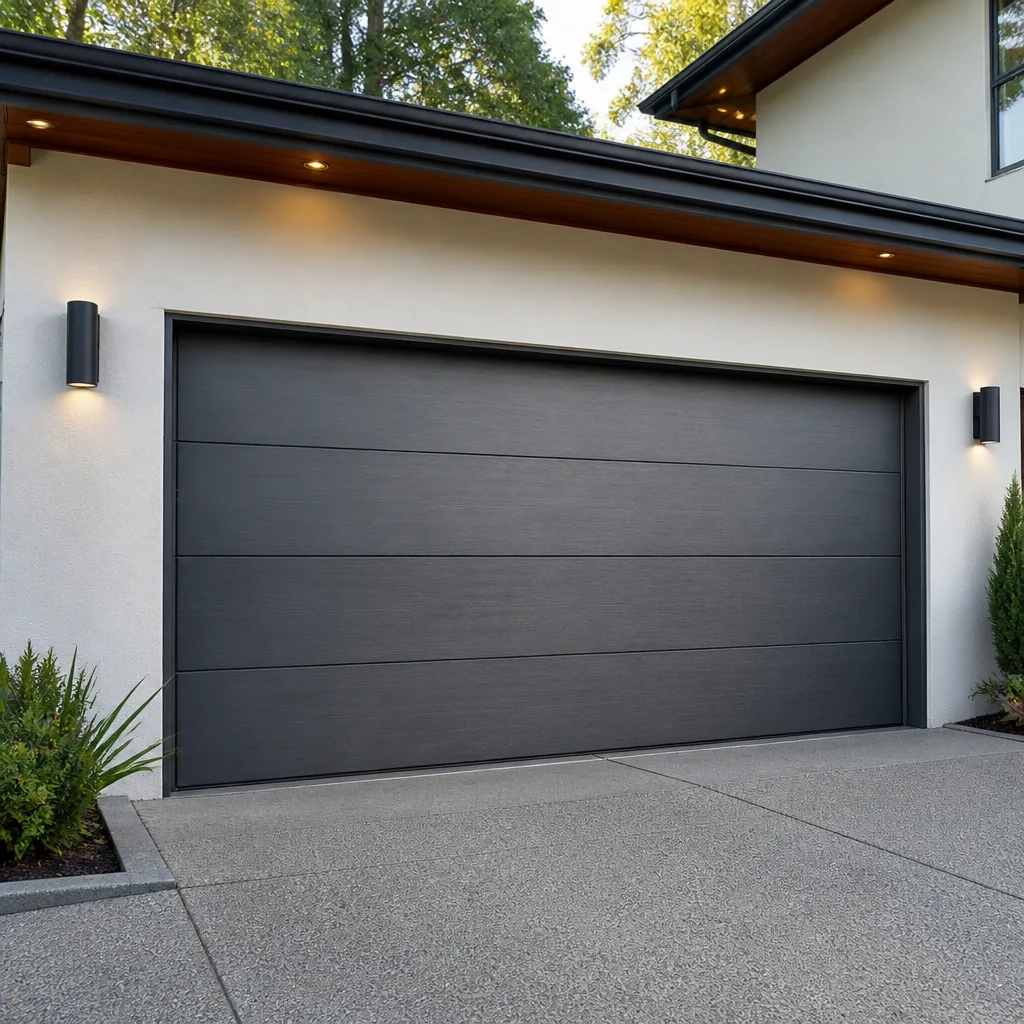 Modern flush
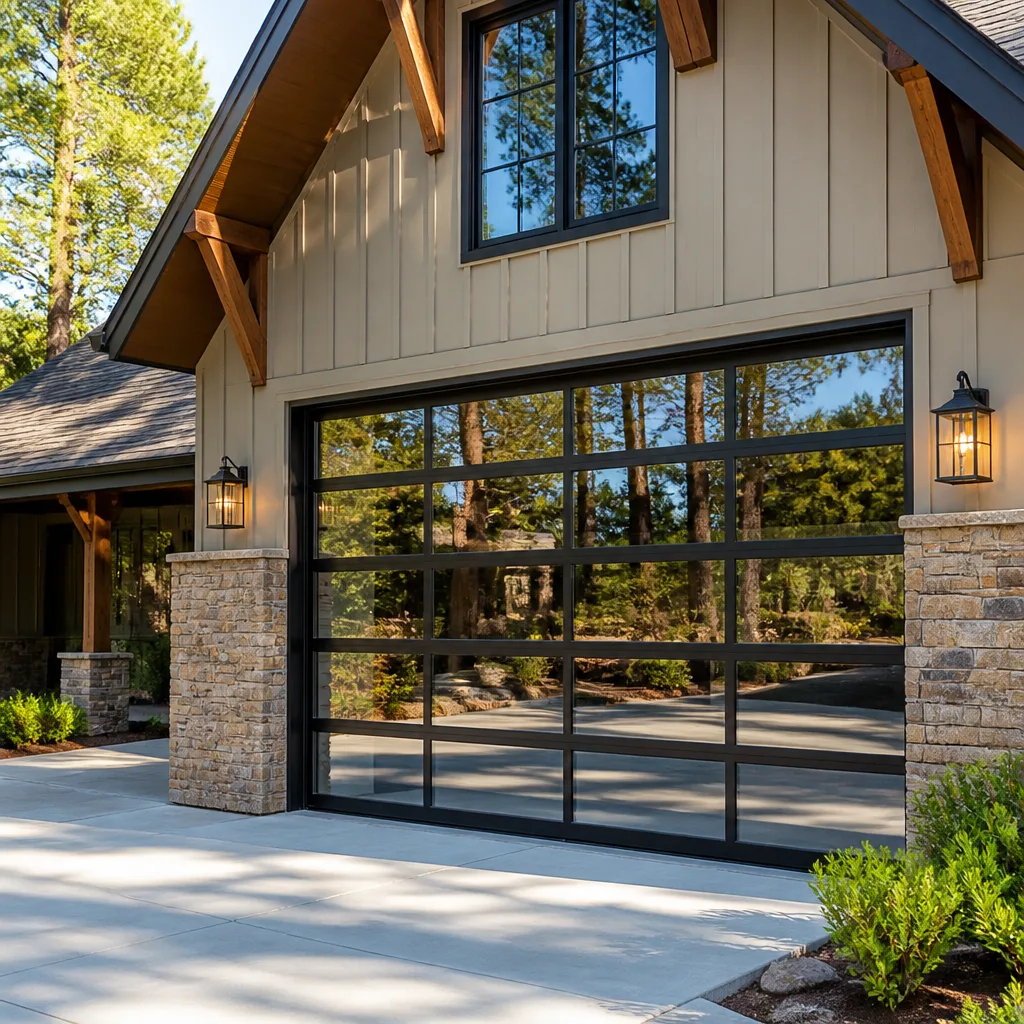 Full-view glass
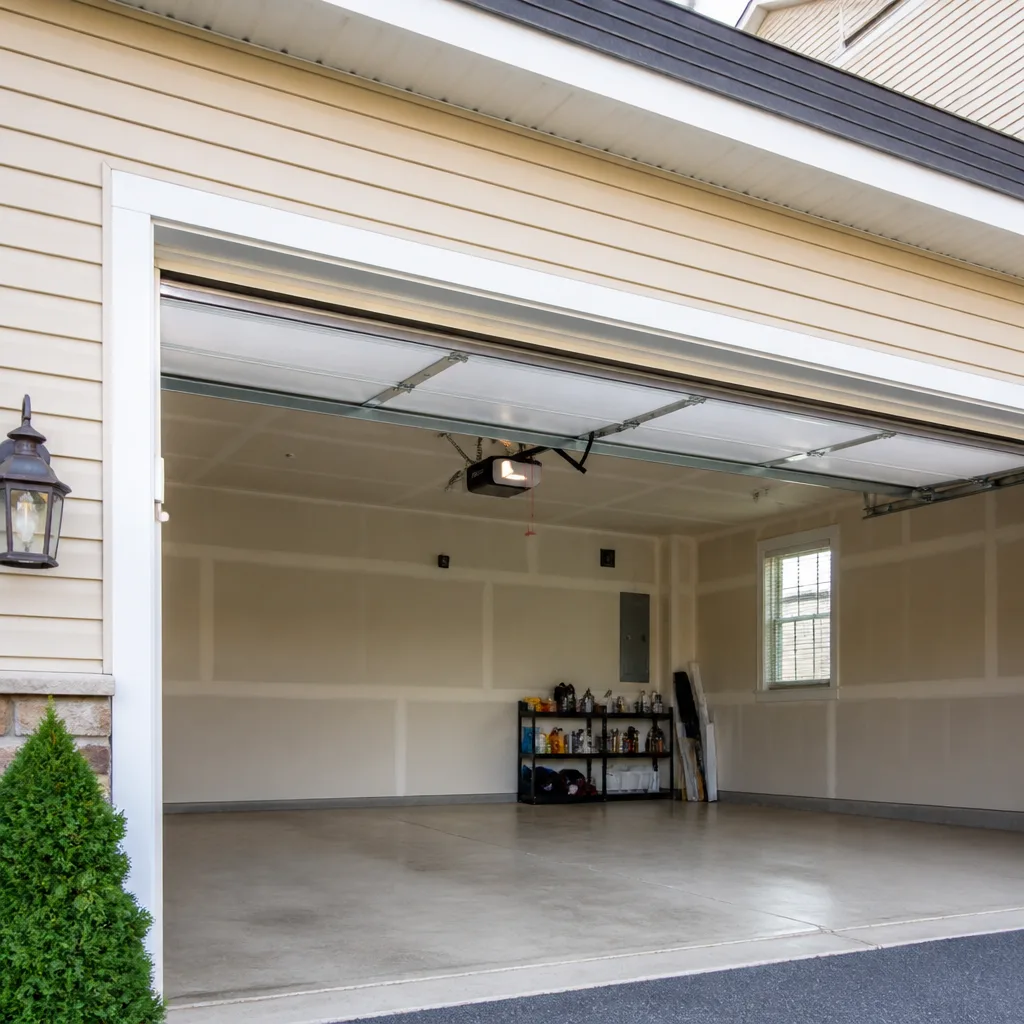 LiftMaster openers
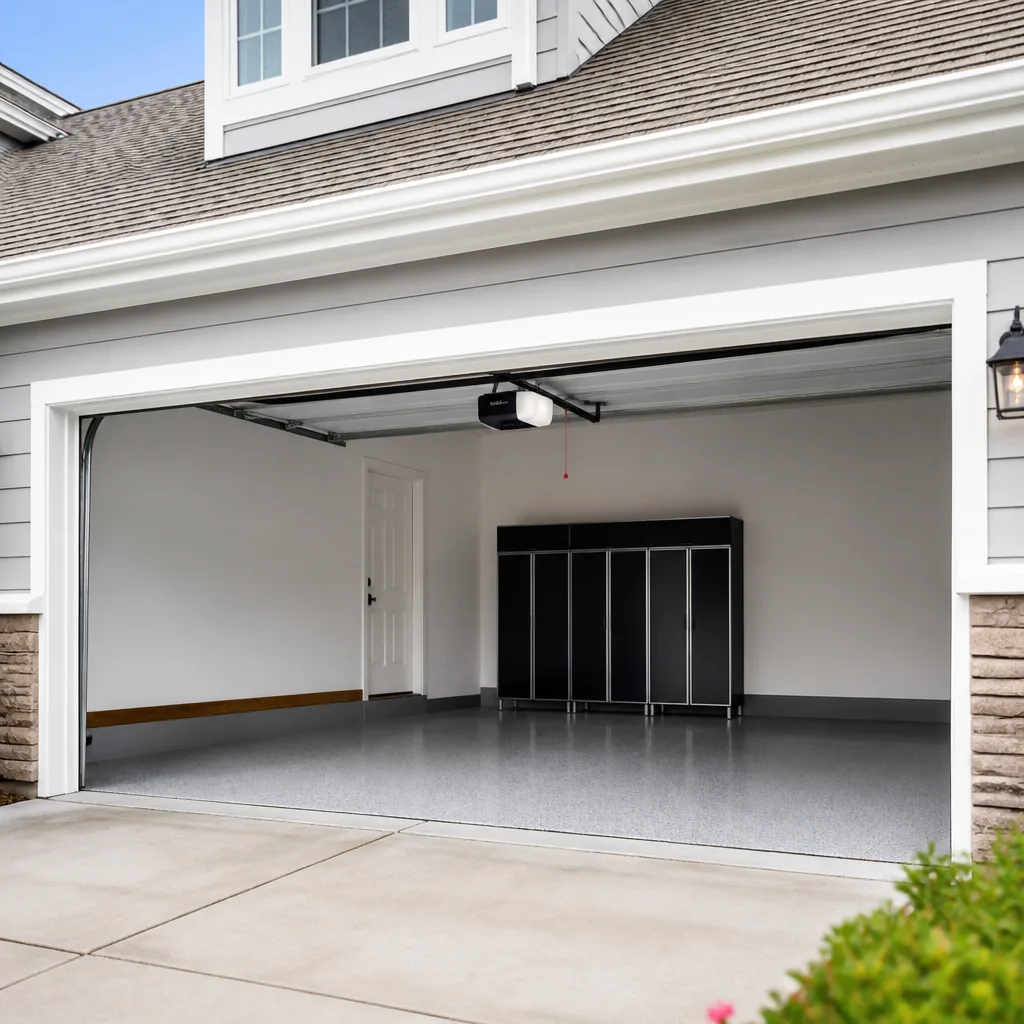 Chamberlain openers
Full 25-point door and opener safety check with every visit - springs, cables, rollers, tracks, and your LiftMaster or Chamberlain opener included
You get a price before we start. It does not change when the pro arrives.
Get your free estimateGarage Door Repair Troubleshooting in Suffolk: Common Problems and How to Fix Them
A noisy garage door and a slow garage door look like the same problem, but they almost never share the same fix. We’ve watched homeowners chase the wrong part for weeks, and we’ve seen a $30 repair turn into a $300 service call because the diagnosis was wrong from the start. Most garage door trouble in Suffolk traces back to one of five root causes, and knowing which one you’re facing before you pick up the phone saves you money and time. This guide teaches you to read your door’s symptoms the way a mechanic reads a check-engine code, so you can tell a failing roller from a failing spring before anyone rolls up your driveway.
Quick Answer
Garage door problems in Suffolk usually come down to one of five culprits: worn rollers and hinges, a failing torsion or extension spring, a misaligned safety sensor, a tired opener motor or logic board, or a bent track. You can tell which by how the door behaves. A door that reverses mid-travel almost always points to the sensors or a binding track, while a door that won’t budge at all usually means a broken spring or a dead opener. If you hear a loud bang and the door stops lifting, stop and call a professional rather than forcing it.
Styles & brands we work with
- Raised-panel steel
- Carriage house
- Modern flush
- Full-view glass
- LiftMaster openers
- Chamberlain openers
Table of Contents
- The Five Root Causes Behind Almost Every Garage Door Problem
- Door Won’t Open at All? Start Here
- Door Reverses Mid-Travel? That’s a Different Problem
- The 60-Second Manual Disconnect Test
- How Suffolk Humidity and Storm Weather Wear Out Doors
- Safe DIY Fixes vs. Leave-It-to-a-Pro Jobs
- What to Document Before a Technician Arrives
- When to Call a Professional
The Five Root Causes Behind Almost Every Garage Door Problem
Every garage door issue we see in Suffolk comes down to rollers and hinges, springs and cables, sensors, the opener itself, or the track and alignment. Learning to sort your symptom into one of these five buckets is the single most useful thing you can do before you call anyone. It tells you what a technician will need to look at, roughly how long the job takes, and whether it belongs in the “safe to try yourself” pile or the “call now” pile.
Here’s how the five break down:
- Rollers and hinges wear out from constant movement and heat. A dry or flat roller makes the door noisy and causes it to drag on one side.
- Springs and cables do the actual lifting. A snapped spring is the most common reason a door suddenly won’t open, and it’s also the most dangerous part to touch.
- Sensors sit near the floor and tell the opener it’s safe to close. Dust, sunlight glare, or a bumped sensor will make the door reverse or refuse to close.
- The opener is the motor, the logic board, and the remote or app that controls it. A humming motor or a blinking error light means the problem lives here.
- The track and alignment holds the door on its path. A bent track, a popped cable, or worn end plates throw everything off and cause binding.
In our experience, the fastest way to narrow things down is to ask two questions: does the motor run, and does the door move? If the motor runs but the door doesn’t, your problem is springs or hardware. If the motor hums and nothing happens, suspect the opener. If the door moves a little then reverses, look at sensors or a binding track. Bring those two answers to a call and any garage door repair conversation moves much faster.
Door Won’t Open at All? Start Here
When a door won’t open, the cause is almost always a broken spring, a dead opener, or a power and control problem. A snapped spring is the single most common reason a Richmond-area home calls us in the morning and needs the door fixed by afternoon. When a torsion spring fails, you often hear a sharp bang from inside the garage, and the door becomes too heavy to lift by hand. When a motor fails, you hear nothing at all, or a quiet hum with no movement.
Here’s how to sort which one you’re facing:
- Check power to the opener. Look for a lit indicator on the motor unit. If it’s dark, check the breaker and the outlet it’s plugged into.
- Try a wall switch and a remote. If one works and the other doesn’t, the issue is with a remote, a battery, or the wall control, not the motor.
- Look at the springs. Torsion springs run along a steel bar above the door; extension springs run along the sides. A broken spring shows an obvious gap. Do not touch, pull, wind, or try to unwind it. Springs carry serious stored tension.
- Try to lift the door by hand. With the opener disconnected (see the disconnect test below), a working door should lift with moderate effort. If it feels like lifting a piano, stop. That points to a spring.
If the door is dead and no obvious reason surfaces, a failing logic board or a capacitor is the usual culprit on openers from LiftMaster and Chamberlain. Those are repairable without swapping the whole unit, and a call to garage door opener repair is where we’d point you. The good news: none of this requires a full replacement. We work on what you already have.
Door Reverses Mid-Travel? That’s a Different Problem
A door that starts down and reverses before it hits the floor, or goes up a foot and stops, is telling you the safety system or the travel path is unhappy. This is the symptom homeowners most often misread as a motor problem, and it’s the one that leads to unnecessary opener replacements. A door that reverses is almost never a bad motor. It’s the opener doing exactly what it’s supposed to when it senses something wrong.
The usual causes, in the order we check them:
- Sensor misalignment. The two sensors near the floor must be lined up with each other. If a trash can, a bike, or a car bumper has nudged one, the door will reverse or refuse to close. Look for a small blinking light on one of the sensors.
- Something in the path. Cobwebs, leaves, or a loose track bracket in the sensor’s line of sight cause the same behavior. Wipe the lenses clean.
- Sun glare. Suffolk afternoons can throw hard sunlight straight into a sensor. If the door only misbehaves at the same time of day, that’s a strong clue.
- Travel limits or force settings. The opener has internal limits for how far the door travels and how much resistance it allows. If those drift, the door reverses or stops short.
- A binding track or worn roller. If the door meets resistance on one side, the opener’s safety reverse kicks in because it thinks it hit an obstacle.
The most useful test is to watch which side meets resistance. Run the door by hand with the opener disconnected. If it drags on one side, the opener isn’t the problem. Getting this right before you call is the whole point of troubleshooting. It’s how you avoid paying for a fix you don’t need.
The 60-Second Manual Disconnect Test
The fastest way to tell whether your problem is the opener or the door itself is to disconnect the opener and open the door by hand. Nearly every opener has a manual release cord, usually a red handle hanging from the trolley. Pulling it separates the door from the motor so you can move the door freely. If the door moves smoothly by hand, the opener is your problem. If it fights you or won’t move, the door’s hardware is the problem.
Here’s the full test, step by step:
- Close the door fully so there’s no tension on the release.
- Pull the manual release cord (the red handle) straight down until it clicks. The trolley detaches from the door arm.
- Lift the door slowly by hand. A balanced door should rise with steady, moderate effort and stay put around halfway. If it feels heavy, drops, or binds on one side, the door hardware is at fault.
- Lower it slowly. Listen for grinding, scraping, or a pop on either side. Those sounds point to rollers or tracks.
- Reconnect the trolley by pulling the release cord again and running the opener until it re-engages.
If the door moves cleanly by hand but the opener still won’t lift it, the motor, the capacitor, or the logic board is the problem. If the door fights you, don’t force it. That’s the moment to stop and call Thrive Garage Door Repair. Forcing a door with a broken spring can snap a cable and cause real injury. Keep the disconnect test to a slow, careful check, and leave the repair to a trained technician.
How Suffolk Humidity and Storm Weather Wear Out Doors
Suffolk’s humid summers and frequent storm systems wear garage doors in ways inland, dry-climate homes rarely see. That doesn’t mean salt air or coastal corrosion. It means moisture. Weeks of high humidity rust steel rollers, swell wooden panels, and soften the bottom seal, and summer thunderstorms send wind-driven rain against door faces and into the tracks. If your door starts sticking in July and groaning in August, humidity is often the reason.
Here’s where the local climate hits hardest:
- Rollers. Steel rollers rust and flat-spot when they sit idle in humid air. Nylon rollers hold up better in this climate, which is why so many replacement jobs here lean that direction.
- Springs. Moisture accelerates corrosion on spring coils, which shortens their working life. A spring that should last years can fail sooner in a damp garage.
- Bottom seal. The rubber seal along the floor takes the brunt of standing water and heat. A cracked or flattened seal lets in rain, bugs, and humid air, and it can throw off the door’s close.
- Wooden panels. Older doors with wood components swell and warp in the damp months. Warped panels bind in the track and pull the door out of balance.
- Paint and finish. Peeling paint on a steel door exposes bare metal. In a humid climate, that bare spot starts to rust fast.
If you live near the Nansemond River or in one of Suffolk’s older neighborhoods like Chuckatuck or Driver, where garages are often older and less insulated, these effects show up sooner. A yearly check of rollers, springs, and seals goes a long way. Our technicians have up to 8 years of experience with doors built for this kind of climate, and we know what a damaged bottom seal looks like before it becomes a bigger repair.
Safe DIY Fixes vs. Leave-It-to-a-Pro Jobs
Some garage door fixes are genuinely safe for a homeowner to try, and some carry real injury risk. The dividing line is simple: anything that involves stored energy under tension is a professional job, full stop. Lubrication, sensor alignment, remote reprogramming, and a visual inspection are all fine to do yourself. Springs, cables, and anything that requires unwinding or loosening a high-tension part is not.
Safe to do yourself:
- Lubrication. A garage door lubricant on rollers, hinges, and the spring (spray only, no tools) quiets a noisy door and keeps parts moving. Avoid WD-40 as a long-term lubricant; it attracts dust.
- Sensor alignment. Wipe the lenses and nudge the sensors so they point at each other. Most sensors have a small light that glows steady when they’re aligned.
- Remote reprogramming. If a remote stops working after a battery change, a quick reprogram usually fixes it. Remotes from LiftMaster, Chamberlain, Genie, and Craftsman all use a similar pairing process.
- Cleaning and tightening. Wipe the tracks clean of debris and check that visible bolts are snug. Don’t loosen anything to do this.
- Visual inspection. Look at the springs for gaps, the cables for fraying, and the bottom seal for cracks. Knowing what’s wrong helps a technician help you.
Leave to a professional:
- Torsion and extension springs. These are under hundreds of pounds of tension. A slip can cause serious injury. Never touch them.
- Cable drums and cables. A cable under tension can whip loose. Don’t cut, remove, or reattach one.
- Track realignment. A bent track is a job for a pro; forcing it can warp the door and damage the panels.
- Opener logic boards and capacitors. Even unplugged, some components hold a charge.
If you’re unsure which bucket your issue falls into, the safest move is to stop and call. A technician can tell you in minutes. When a door needs a full replacement, our technicians also install new doors from Clopay, Amarr, Wayne Dalton, and Raynor, so a frustrating repair doesn’t always mean a new purchase.
What to Document Before a Technician Arrives
The more information you can share about what your door is doing, the faster a technician can diagnose it, and the less time you pay for. Most of what we need lives in three places: the sound the door makes, the timing of the problem, and the codes on the opener panel. Jotting any of these down before the call saves everyone time and gets you a straight answer faster.
Here’s what to write down:
- Sounds. Is it a rattle, a grinding scrape, a bang, or a hum? Each points to a different part. A bang from inside the garage is often a spring. A grinding scrape is usually a roller or a track.
- Timing. Does the door fail in the morning, afternoon, or after a storm? Sun glare or humidity shows up on a schedule; a broken part doesn’t.
- Error codes. If your opener has a blinking light pattern, count the blinks and tell us. LiftMaster and Chamberlain openers use blink patterns for errors. Genie and Craftsman units use similar signals on the panel.
- Behavior. Does the door run and then reverse? Does it open a foot and stop? Does the motor run with no movement? Each behavior is a clue.
- Recent events. A power outage, a storm, or a car backing into the door (yes, it happens) can change everything.
Share these with the technician before they arrive and the diagnosis usually starts on the phone. It’s one of the small reasons our Suffolk customers get more out of their visit. When a technician has a starting point, they can bring the right parts and skip the guessing.
Common Mistakes to Avoid
- Forcing a stuck door. If the door won’t lift, a broken spring is the most likely cause. Pulling or pushing it can snap a cable and cause an injury. Stop and call.
- Replacing the opener when the problem is the door. A worn roller or a binding track makes an opener look bad. Test the door by hand first, or you’ll buy a new motor you didn’t need.
- Ignoring a reversing door. A door that reverses is a safety issue, and it’s the most common cause of a “problem” that’s actually the opener doing its job. Fix the sensor or the track; don’t disable the safety feature.
- Using the wrong lubricant. WD-40 on rollers attracts dust and dries out. Use a garage door lubricant designed for the job.
- Not documenting symptoms. Skipping the sound and error-code notes slows diagnosis. Bring them to the call and save on diagnostic time.
- Assuming a bad door means a new door. Most problems are a repair, not a replacement. Ask before you buy.
- Delaying a seal or paint repair. In Suffolk humidity, a cracked bottom seal or peeling paint lets moisture and rust in. Fix them before they spread to the panels and rollers.
When to Call a Professional
Call a professional the moment you confirm a broken spring, a snapped cable, or a door that won’t move by hand. Those are the jobs to leave alone. You should also call if your door reverses every time it closes, if the opener hums but doesn’t lift, or if you hear a grinding scrape that returns even after you’ve cleaned and lubricated the visual wear points. When in doubt, a short call settles it. We quote the price before any work starts, so there are no surprises on the invoice.
Thrive Garage Door Repair offers free estimates in Suffolk. Our technicians are experienced with LiftMaster, Chamberlain, Genie, Craftsman, and the major door lines, and we don’t push you toward a replacement you don’t need. If your door is stuck, call (888) 404-3987. We answer 24/7. Fast dispatch from 7am to 7pm, Sunday through Friday.
See the difference
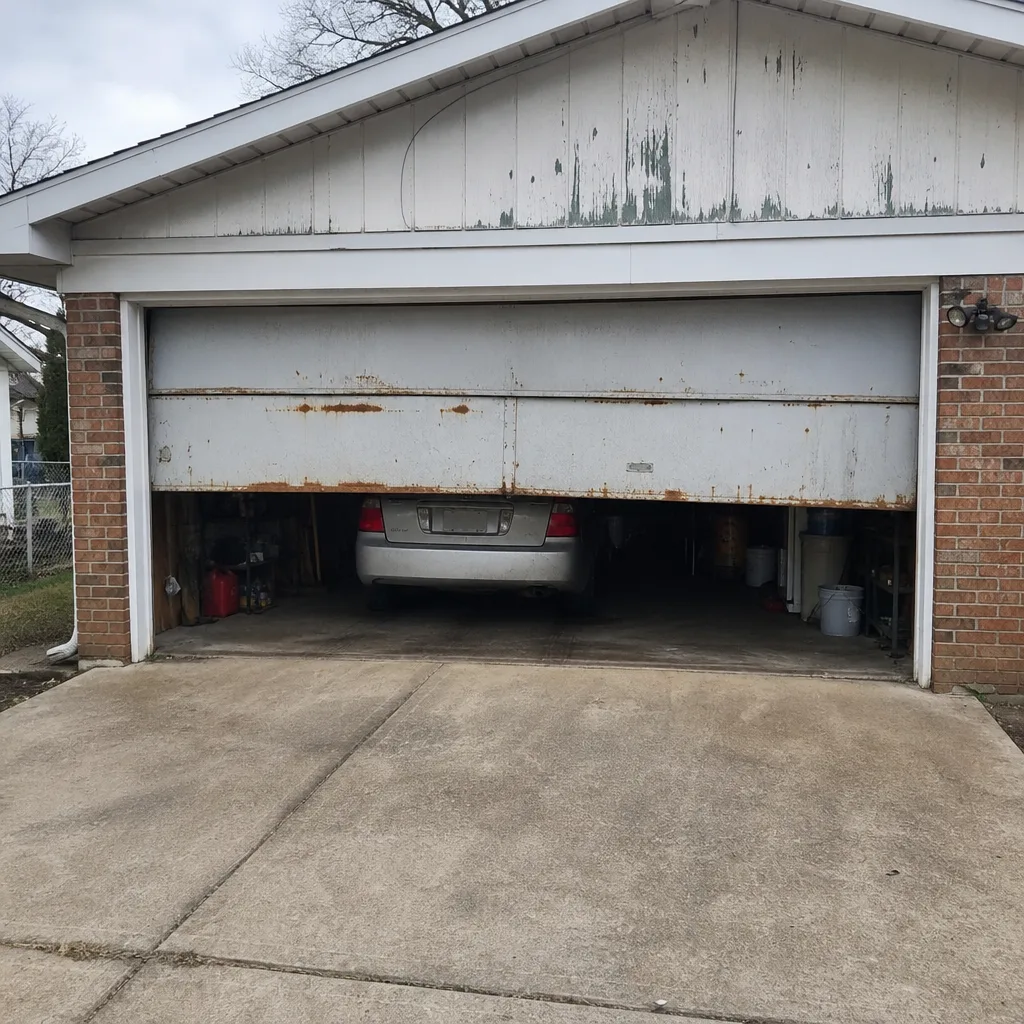 Before
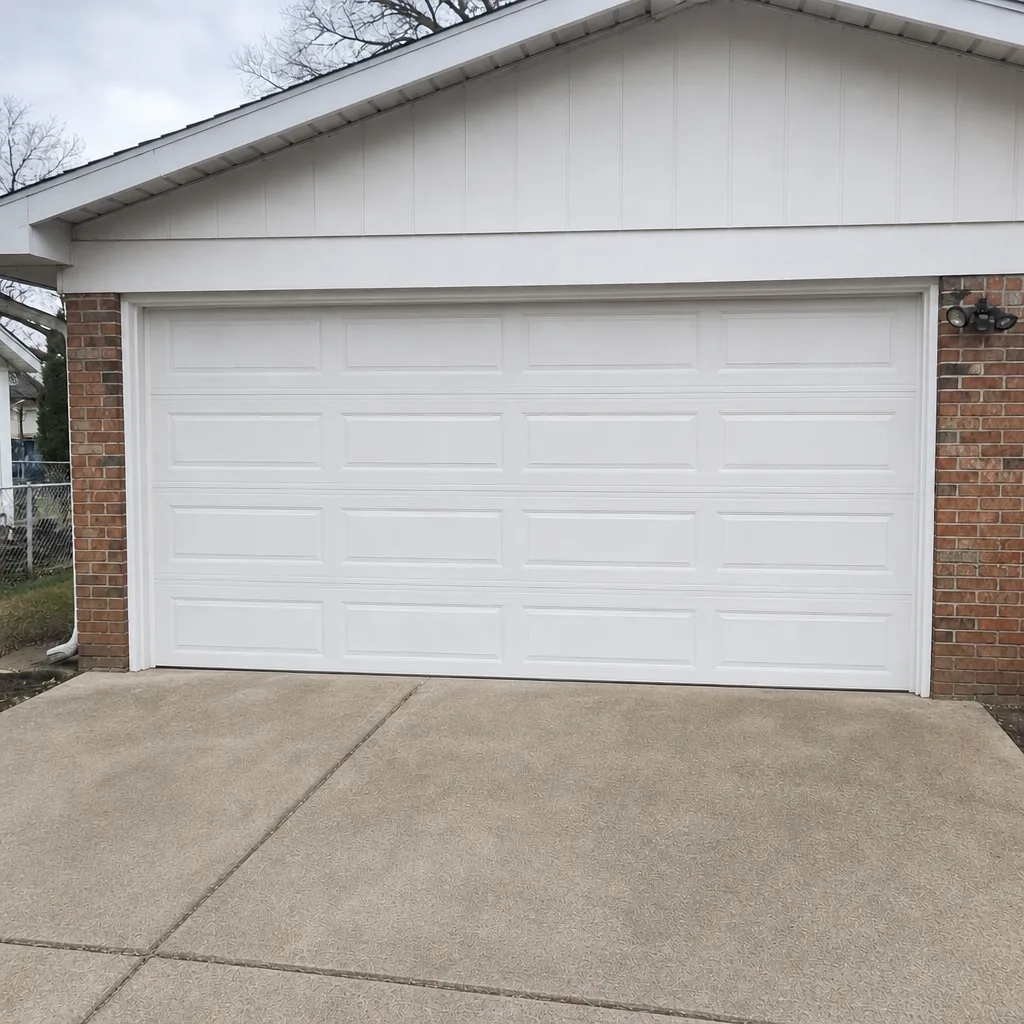 After
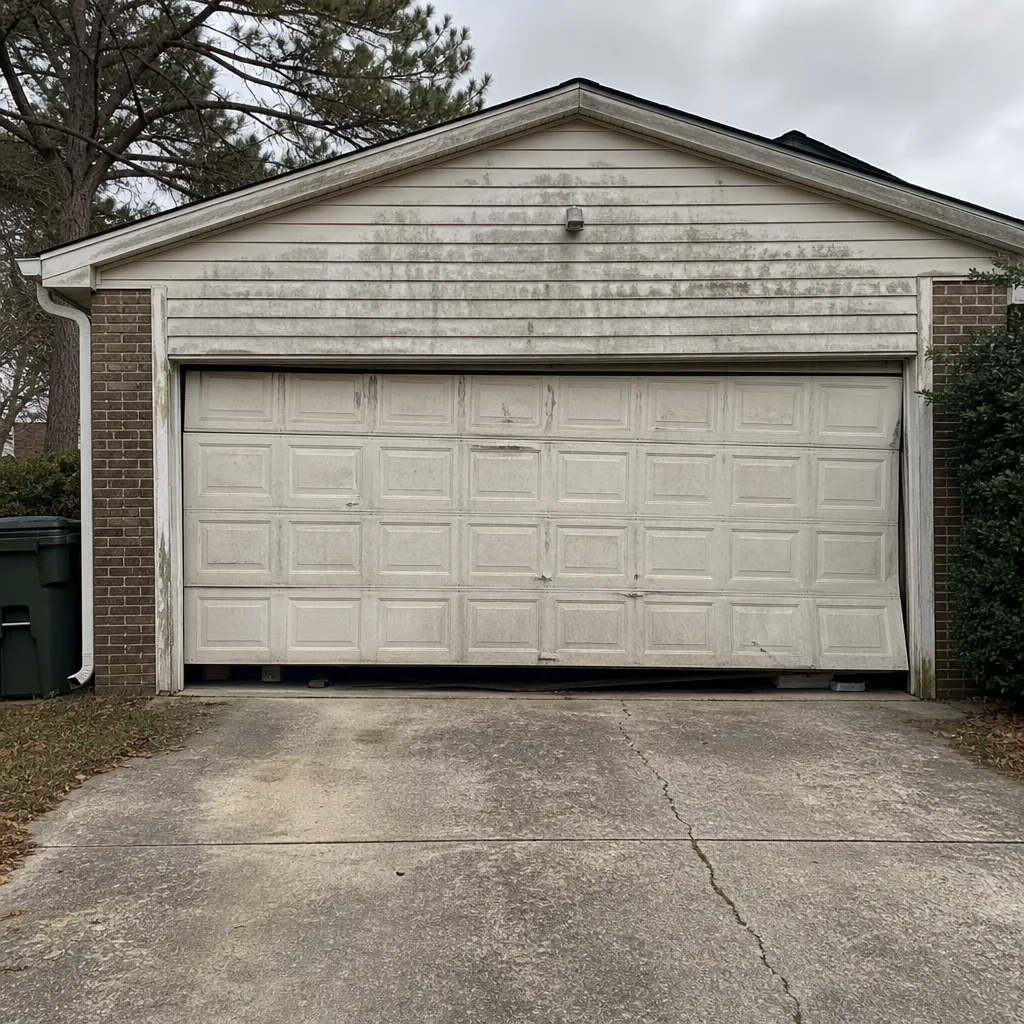 Before
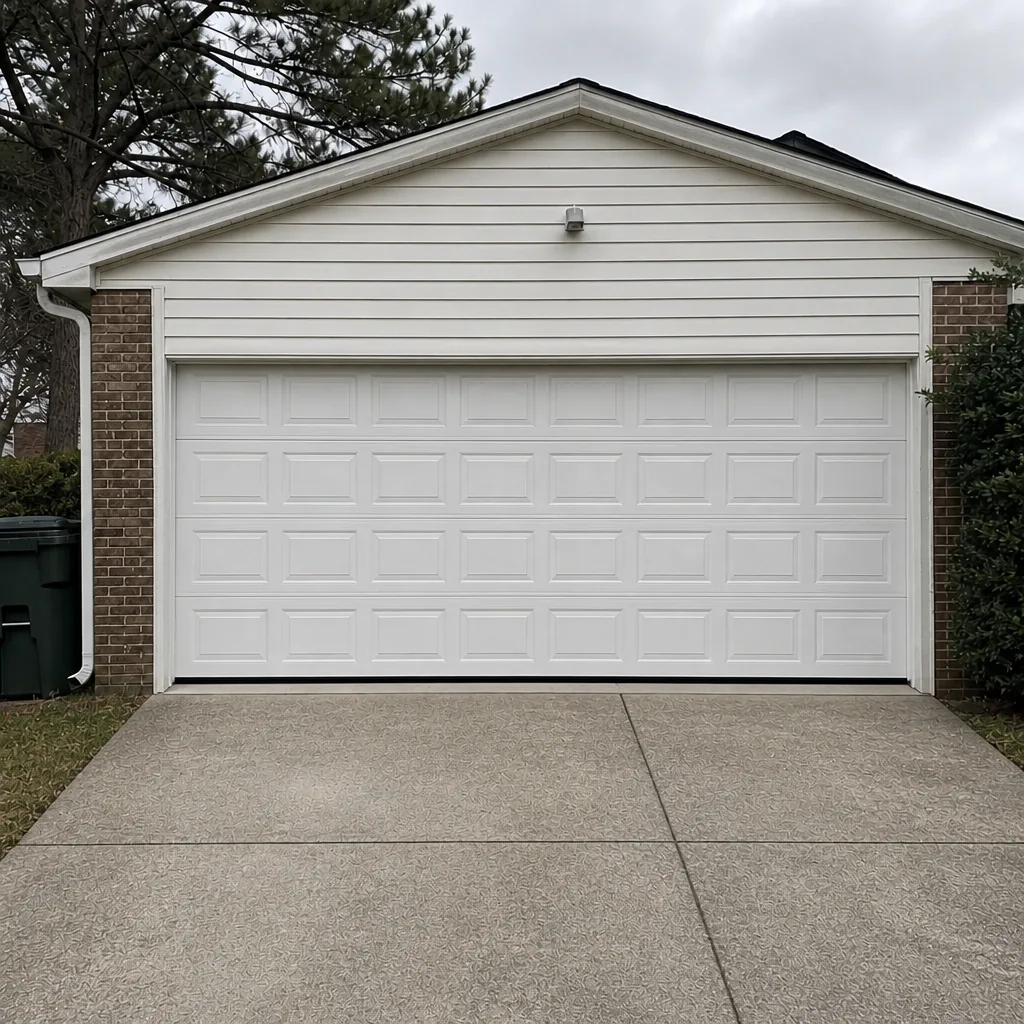 After
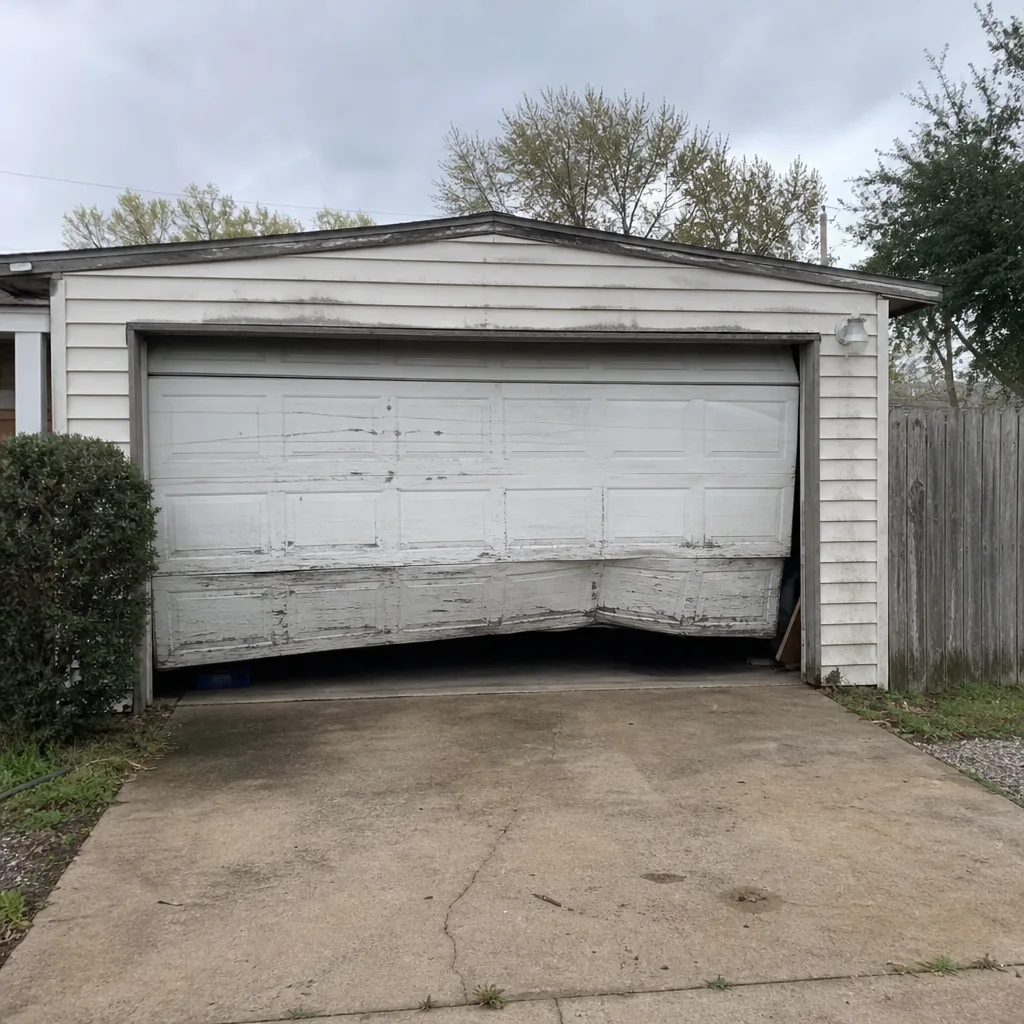 Before
 After
Frequently Asked Questions
A broken torsion or extension spring is the most common cause of a door that won’t open, followed by a dead opener or a tripped breaker. Check for power at the opener and listen for a bang or look for a gap in the spring. If the spring is broken, stop and call; a spring under tension is dangerous to touch.
A reversing door almost always points to a misaligned safety sensor, something in the sensor’s path, or a binding track. Clean the sensor lenses and check that they point at each other. If that doesn’t fix it, run the door by hand with the opener disconnected to see if it drags on one side. Call (888) 404-3987 if the symptom persists; estimates are free.
No. Torsion and extension springs are under serious tension, and a slip can cause severe injury. Leave spring, cable, and cable-drum work to a trained technician. Safe DIY fixes include lubrication, sensor alignment, and remote reprogramming.
Do the manual disconnect test. Pull the red release cord, then lift the door by hand. If it moves smoothly, the opener is the problem. If it fights you or binds, the door hardware is the problem. Write down what you feel and hear, and call (888) 404-3987 for an estimate.
Yes. Humid summers rust steel rollers, swell wooden panels, and soften the bottom seal, and storm-driven rain pushes moisture into the tracks. If your door gets noisy or sticky during the damp months, a yearly lubrication and a quick check of the rollers and seals will help. Call (888) 404-3987 if the drag persists.
Often, yes. If you tell us the sound, the timing, and any error codes from the opener panel, we can narrow down the likely cause before arrival. Write down what the door is doing and call (888) 404-3987. We answer 24/7. Fast dispatch from 7am to 7pm, Sunday through Friday.
The Bottom Line
Most garage door trouble in Suffolk comes down to rollers, springs, sensors, the opener, or the track. Diagnose your symptom against those five root causes and you’ll know whether to try a safe DIY fix or call a professional. Test the door by hand before you blame the opener, and document the sounds, timing, and error codes to save on diagnostic time. Fix it right rather than just fixed for now. Your door, our expertise. Call (888) 404-3987 for a free estimate.
Written by the team at Thrive Garage Door Repair.